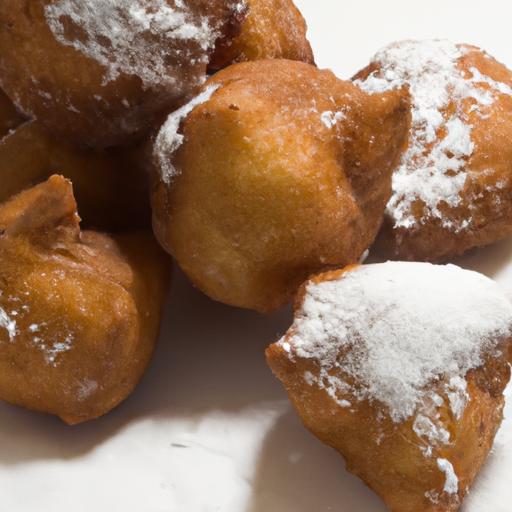

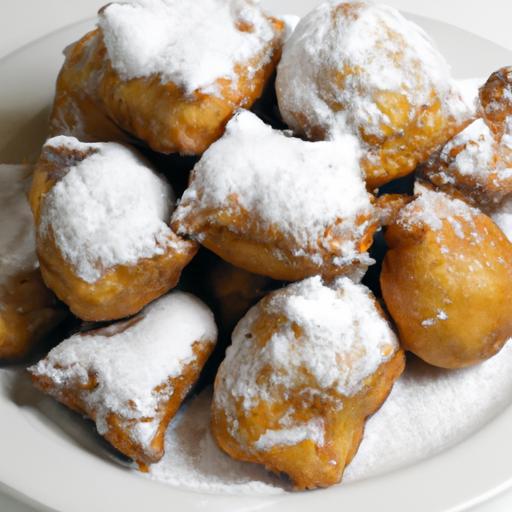
In the heart of New Orleans, were vibrant culture adn rich history blend like the notes of a jazz melody, a culinary treasure awaits-a sweet, fluffy delight known simply as the beignet. Thes golden pillows of fried dough, dusted generously wiht powdered sugar, are more than just a treat; they are a symbol of the city’s charm and heritage. From their French origins to their beloved place in Crescent City cafés, beignets invite locals and visitors alike to savor a bite of tradition wrapped in sugary bliss. Join us as we uncover the story behind these iconic confections-where they came from, how they’re made, and why they continue to captivate taste buds and hearts around the world.
Beignets Uncovered: Sweet Pillows of New Orleans Delight invite you on a flavorful journey steeped in historic charm and culinary artistry. These golden, fluffy treats have their roots intertwined with French Creole culture, evolving over centuries to become an iconic symbol of New Orleans’ vibrant food scene. From the bustling streets of the French Quarter to your own kitchen, mastering this delicacy promises not onyl a sweet reward but a taste of tradition and joy.
Origins and Cultural Roots of Beignets in New Orleans
The story behind these irresistible fried confections begins with French settlers who brought the beignet, a type of doughnut, to Louisiana in the 18th century. Rooted in Provençal cooking, beignets initially symbolized a simple yet elegant pastry enjoyed during festive occasions. Over time, New Orleans embraced and adapted the beignet, enriching it with local ingredients and the unmistakable flourish of powdered sugar, making it an emblem of the city’s French and Creole heritage. Today, these sweet pillows embody not just flavour but the soul of New Orleans-celebrated in iconic cafes and family gatherings alike.
The Art of Perfecting the Fluffy Texture and Flavor
Achieving the quintessentially airy and pillowy texture demands patience and precise technique. The key lies in a well-hydrated dough,proper yeast fermentation,and frying at the perfect temperature to create a crisp exterior while maintaining a soft,tender interior. Incorporating warm milk, eggs, and just enough sugar gently awakens the yeast, allowing the dough to rise beautifully. A brief resting period encourages lightness, and frying quickly in hot oil (around 360°F) seals in the delicate crumb without greasiness. The finishing touch? A generous dusting of powdered sugar, blanketing each beignet in irresistible sweetness and promise.
Top Spots to Savor Authentic Beignets in the french Quarter
The heart of New Orleans beats loudly in its famed eateries. Cafés like Café du Monde have elevated beignets to an institution, drawing visitors worldwide to their bustling open-air courtyard. Others, such as Café Beignet and Morning Call, add unique twists while honoring tradition. Each location offers its own ambiance-whether a jazz-infused morning or a vibrant midnight snack-letting you indulge in authentic beignet bliss surrounded by the city’s unparalleled charm. For the ultimate experiance, pairing these treats with a cup of chicory coffee completes the sensory symphony.
Expert Tips for Making Classic Beignets at Home
Prep and Cook Time
- Readiness: 20 minutes (including kneading and mixing)
- Rising: 1 hour 15 minutes
- Cooking: 10 minutes (frying batches)
- Total Time: Approximately 1 hour 45 minutes
Yield
makes about 24 beignets (serves 6-8)
Difficulty Level
Medium - Perfect for eager home bakers ready for a rewarding challenge
Ingredients
- 1 cup warm whole milk (about 110°F)
- 1/4 cup granulated sugar
- 2 ¼ teaspoons active dry yeast (1 packet)
- 2 large eggs, lightly beaten
- 1 teaspoon vanilla extract
- 4 cups all-purpose flour, sifted, plus more for dusting
- 1 teaspoon salt
- 2 tablespoons unsalted butter, melted
- Vegetable oil for frying (enough to fill a deep fryer or heavy pot about 3 inches deep)
- Powdered sugar, for dusting generously
Instructions
- Activate the yeast: In a large mixing bowl, combine warm milk, sugar, and yeast. Let sit for 5-7 minutes until foamy and bubbly.
- Mix the wet ingredients: To the yeast mixture,add beaten eggs and vanilla extract. Stir to combine.
- Incorporate dry ingredients: Gradually add sifted flour and salt to the wet mixture. Use a wooden spoon or stand mixer with dough hook attachment to form a soft, slightly sticky dough.
- Knead the dough: Knead on a floured surface for 8-10 minutes until smooth and elastic, or 6 minutes in a mixer on medium speed.
- First rise: Place dough in a lightly oiled bowl, cover with plastic wrap or a damp cloth, and allow it to rise in a warm spot for about 1 hour or until doubled in size.
- Prepare for frying: Heat oil in a deep fryer or heavy pot to 360°F (use a thermometer for accuracy). oversized beignets won’t cook evenly-maintain temperature between batches.
- Roll and cut: Turn risen dough out onto a floured board.Roll to ¼-inch thickness. Using a sharp knife or pizza cutter, cut into 3-inch squares or rectangles.
- Fry the beignets: Fry a few pieces at a time, turning once, until puffed and golden brown (about 2 minutes per side).Drain on paper towels.
- dust with powdered sugar: While still warm, liberally coat each beignet with powdered sugar using a fine sieve or shaker.
- Serve instantly: Best enjoyed fresh as the pillowy interior and crisp exterior are at their peak.
Chef’s Notes & Tips for Success
- Flour measurement: Avoid adding too much flour to keep beignets light. The dough should be tacky but manageable.
- Yeast care: If your yeast doesn’t froth,it’s expired or the milk temperature was off; start again to ensure proper rise.
- Oil temperature: Frying too hot causes burning; too low results in greasy dough-maintain steady 360°F.
- Make-ahead: Dough can be refrigerated overnight after rising; bring back to room temperature before rolling and frying.
- Variations: For a fun twist, mix cinnamon or nutmeg into powdered sugar, or drizzle with chocolate or fruit glaze.
Serving Suggestions
Plate these golden pillows on a large platter dusted with extra powdered sugar. Pair with freshly brewed chicory coffee or café au lait to echo the New Orleans experience. Garnish with fresh berries or a sprig of mint for an elegant touch. For festive occasions, a side of fruit preserves or caramel sauce offers delightful dipping options without overshadowing the classic flavor.
| Nutrient | Per Beignet (Approx.) |
|---|---|
| Calories | 180 |
| Protein | 4g |
| Carbohydrates | 25g |
| Fat | 7g |

For a deeper dive into New Orleans culinary traditions, check out our guide to Creole cooking classics. To explore the rich history of French pastries worldwide, visit Britannica’s authoritative article on beignets.
Q&A
Beignets uncovered: Sweet Pillows of New Orleans Delight - Q&A
Q1: What exactly is a beignet?
A beignet is a pillow-soft fritter, deep-fried to golden perfection and dusted generously with powdered sugar. Think of it as New Orleans’ answer to the sweet, fluffy doughnut-but lighter, airier, and utterly irresistible.
Q2: Where did beignets originate?
Though beloved in New Orleans, beignets trace their roots back to France. early French settlers brought the recipe across the Atlantic, where it evolved into a signature treat of the Crescent City, embraced by locals and visitors alike.
Q3: what makes new Orleans beignets so special?
It’s all about tradition and technique. New Orleans beignets boast a unique yeast-leavened dough that puffs up into soft, cloud-like squares. When fried in hot oil, they become crisp on the outside while remaining tender inside. Then comes the iconic snowfall of powdered sugar, creating a perfect balance of texture and sweetness.
Q4: How are beignets typically enjoyed?
Most famously, beignets are paired with a steaming café au lait-new Orleans’ rich coffee blended with chicory and steamed milk. Served piping hot,these treats are perfect for breakfast,dessert,or any indulgent moment in between.
Q5: Can beignets come in different flavors or styles?
While the classic powdered sugar beignet reigns supreme, modern twists abound-from filled varieties bursting with fruit preserves or chocolate, to savory versions featuring cheese or herbs. However, the original remains the beloved symbol of New Orleans hospitality and culinary heritage.
Q6: Where is the best place to savor authentic beignets in New Orleans?
Café du Monde is the legendary haunt where beignets have been served since 1862. Its bustling open-air café near Jackson Square offers the quintessential beignet experience, but countless local bakeries and cafés across the city proudly keep the tradition alive.
Q7: Is it challenging to make beignets at home?
Patience is key! The dough needs time to rise and the frying requires careful temperature control to achieve that perfect texture. but with a bit of practice and love, recreating these sweet pillows in your own kitchen is both rewarding and delicious.
Q8: Why do beignets hold such cultural significance in New Orleans?
More than just a pastry, beignets represent the city’s melting pot of French heritage, hospitality, and joie de vivre. Sharing beignets is an invitation to slow down, savor the moment, and connect with the lively spirit of New Orleans.
To Conclude
As the last powdery bite of a beignet melts away, so too does any doubt about why this humble fritter has become an enduring symbol of New Orleans’ vibrant culture.These sweet pillows, crisp on the outside and pillowy soft within, are more than just a treat-they are a delicious thread woven into the city’s rich tapestry of history, flavor, and community. Whether dusted generously with powdered sugar in a bustling café or savored alongside a robust cup of chicory coffee, beignets invite us all to experience a little piece of the crescent City’s magic. So next time you find yourself craving something that tastes like joy wrapped in dough, remember: the beignet is waiting, ready to share its story-and its sweetness-with you.