
In the bustling heart of dim sum teahouses, where steam rises like morning mist and the clatter of bamboo steamers creates a rhythmic harmony, lies a culinary tradition cherished across generations. “Dim Sum Delights: A Flavorful Journey through Tiny Bites” invites you to embark on an exploration of these exquisite morsels, each small plate a story woven from centuries of culture, craft, and flavor.From delicate dumplings bursting with savory secrets to sweet pastries that melt on the tongue, dim sum is more than just a meal-its an experience that tantalizes the senses and celebrates the art of sharing. Join us as we unwrap the layers of history, technique, and taste behind these tiny treasures, discovering why dim sum continues to capture hearts and palates around the world.
Dim Sum Delights invite us to explore the artistry behind one of the moast cherished culinary traditions of Cantonese cuisine, offering a flavorful journey through tiny bites that capture centuries of culture and craftsmanship. At the heart of dim sum’s charm is its diverse range of textures and intricate flavors, crafted with precision to delight the senses in every morsel. Today, we’ll dive into the delicate process of preparing Har Gow, the iconic steamed shrimp dumplings, celebrated for their translucent wrappers and juicy, fragrant filling. This recipe not only honors tradition but allows home cooks to master a beloved dim sum classic with confidence.
Prep and Cook Time
- Readiness: 40 minutes
- cooking: 10 minutes
- Total Time: 50 minutes
Yield
Approximately 20 dumplings (serves 4)
Difficulty Level
Medium – requires some practice in dough handling and folding techniques
Ingredients
- 1 cup tapioca starch
- 1 cup wheat starch (or substitute with cornstarch if unavailable)
- 1 cup boiling water
- 1 tbsp vegetable oil
- 200g raw shrimp, peeled, deveined, and chopped
- 2 tbsp bamboo shoots, finely chopped
- 1 tsp grated ginger
- 1 tsp soy sauce
- 1 tsp sesame oil
- ½ tsp white pepper
- 1 tsp sugar
- 2 tbsp finely chopped green onions
- Salt to taste
Instructions
- Prepare the dough: In a mixing bowl, combine the tapioca starch and wheat starch. Pour in the boiling water gradually, stirring vigorously with a wooden spoon or chopsticks until a rough dough forms.
- Knead the dough: When cool enough to handle, knead the dough on a lightly oiled surface for about 5 minutes until smooth and pliable. Cover with a damp cloth to prevent drying.
- Make the filling: In a separate bowl,mix the chopped shrimp,bamboo shoots,ginger,soy sauce,sesame oil,white pepper,sugar,green onions,and salt. Stir well to incorporate all flavors.
- Divide the dough: Pinch off small portions of dough, roughly 1 tablespoon each, and roll into balls. Use a rolling pin to flatten each ball into a thin, round wrapper about 3 inches in diameter.The dough should be translucent but strong enough to hold the filling.
- Assemble the dumplings: Place approximately 1 teaspoon of shrimp filling in the center of each wrapper. Fold the dough in half and pleat the edges to seal securely. Practice gentle pleating to achieve that classic crescent shape without tearing.
- Steam the Har Gow: Line a bamboo steamer with parchment paper or cabbage leaves to prevent sticking. Arrange the dumplings with space between them.Steam over boiling water for 7 to 10 minutes until the wrappers turn glossy and translucent, and the shrimp filling is fully cooked.
- Serve immediately: Carefully remove the dumplings using a spatula or tongs and plate them while hot.
Tips for Success
- Water temperature: Pour boiling water slowly into the starch mix; this gelatinizes the starch for a smooth, elastic dough.
- Wrapper Thickness: Roll the wrappers thin but sturdy. Too thick and the delicate translucency is lost; too thin and the wrapper may tear.
- Filling Prep: chop shrimp finely but not into a paste to preserve texture and juiciness.
- Make-Ahead: Wrappers can be prepared in advance and stored wrapped in a damp cloth in the refrigerator for up to 12 hours.
- Steaming Tip: Avoid overcrowding the steamer to prevent dumplings from sticking together or cooking unevenly.
Serving Suggestions
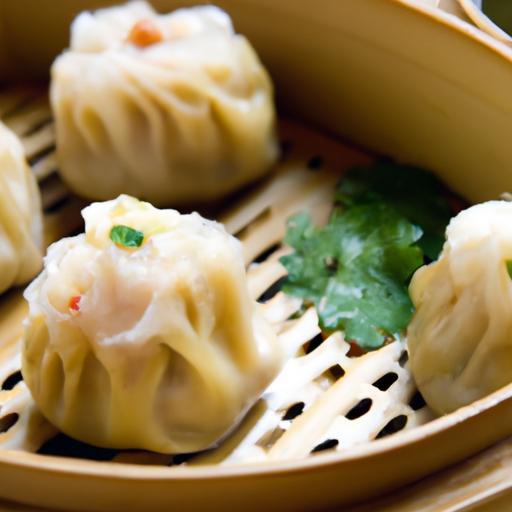
Present Har Gow on an elegant bamboo steamer basket, garnished with a few sprigs of fresh cilantro or thinly sliced scallions for color contrast.Accompany with a small dish of light soy sauce mixed with a few drops of chili oil for dipping. To elevate the experience, pair these dumplings with a fragrant pot of jasmine tea or pu-erh, which complements the subtle sweetness and umami of the shrimp filling perfectly.
| Nutrient | Per Serving (5 dumplings) |
|---|---|
| Calories | 150 |
| Protein | 12 g |
| Carbohydrates | 18 g |
| Fat | 3 g |

For more inspiration on mastering authentic chinese dim sum recipes,visit our recipe archive. to delve deeper into the cultural history of dim sum, the Britannica’s dim sum overview offers captivating insights.
Q&A
Q&A: Dim Sum Delights – A Flavorful Journey Through Tiny Bites
Q1: What exactly is dim sum?
A: Dim sum is a traditional Chinese culinary treasure-a feast of small, flavorful dishes served alongside tea. Originating from Cantonese culture, these bite-sized delights range from steamed dumplings and buns to crispy rolls and sweet treats, designed to be shared, savored, and enjoyed in good company.
Q2: Why is dim sum such an vital part of chinese dining culture?
A: More than just a meal, dim sum is an experience that embodies community and celebration. It’s frequently enough enjoyed during brunch hours, where friends and family gather around a bustling table, sharing stories and laughter as carts brimming with tiny treasures circulate. The ritual highlights the harmony of taste, texture, and tradition.
Q3: What are some quintessential dim sum dishes everyone should try?
A: You can’t talk dim sum without mentioning har gow (steamed shrimp dumplings), siu mai (open-topped pork and shrimp dumplings), char siu bao (barbecue pork buns), and cheung fun (silky rice noodle rolls). Each offers a unique texture and burst of flavor, perfect for exploring the art of bite-sized cuisine.
Q4: How does the preparation of dim sum reflect Chinese culinary artistry?
A: Preparing dim sum is a meticulous craft.The dough must be thin yet strong, the fillings balanced and fresh. Steaming, frying, or baking techniques are perfected over generations to achieve delicate flavors and textures. The result? A symphony of taste in every tiny morsel.
Q5: Can dim sum be adapted for modern tastes or dietary restrictions?
A: Absolutely! While traditional recipes remain beloved, creative chefs are reinventing dim sum with vegetarian, vegan, and gluten-free options, incorporating diverse ingredients without sacrificing authenticity. This evolution helps dim sum continue to enchant palates worldwide.
Q6: How can one best enjoy a dim sum meal?
A: Slow down and embrace the experience.Share multiple dishes, pair with fragrant jasmine or pu-erh tea, and savor each bite mindfully. Whether at a bustling teahouse or a quiet home kitchen, dim sum is about connection-between flavors, people, and culture.
Q7: Where can newcomers find the best authentic dim sum?
A: Chinatown districts in major cities often house some of the most authentic dim sum spots, where carts roll with steaming baskets and menus include traditional favorites. Exploring local eateries or attending dim sum festivals can also offer an immersive introduction.
Q8: What makes dim sum a “flavorful journey” rather than just a meal?
A: Every dish tells a story steeped in history, craftsmanship, and regional diversity. From the first translucent dumpling to the last sweet custard tart, dim sum invites you on a sensory adventure-unfolding layers of taste, culture, and camaraderie one tiny bite at a time.
The Conclusion
As we conclude our flavorful journey through the tiny treasures of dim sum, it’s clear that these delicate bites are much more than just food-they are a vibrant celebration of culture, tradition, and communal joy. Each piece, crafted with care and bursting with nuanced flavors, invites us to slow down, share stories, and savor moments. Whether you’re a seasoned dim sum enthusiast or a curious newcomer, these delightful morsels offer an endless invitation to explore and appreciate the art of bite-sized bliss. So next time you find yourself gathered around a steaming bamboo basket, remember-within those little parcels lies a world of taste waiting to be discovered.