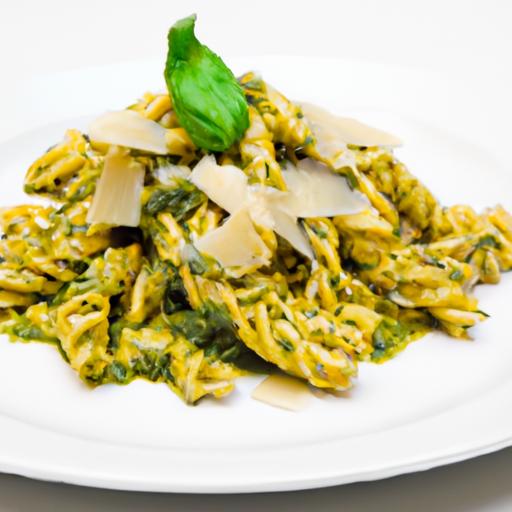

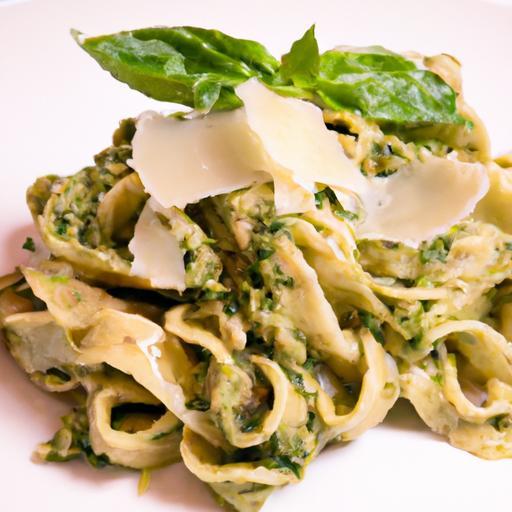
In the world of culinary delights,few dishes marry simplicity adn sophistication quite like pesto pasta. This vibrant green sauce, born from humble ingredients-fresh basil, pine nuts, garlic, Parmesan, and olive oil-transforms an ordinary bowl of pasta into a symphony of flavors. But behind pesto’s luscious texture and unforgettable aroma lies a captivating blend of art and science. Unlocking the secrets of pesto pasta means understanding not only how to balance tastes and textures but also how to harness chemistry and technique to elevate every bite. join us as we delve into the enchanting world of pesto, where tradition meets innovation, and flavor becomes an adventure.
Unlocking Flavor: The Art and Science of Pesto Pasta
Unlocking flavor through the timeless charm of pesto pasta unlocks a journey rooted in tradition,vibrancy,and creative elegance. This iconic Italian sauce, with its verdant hue and luscious balance of herbaceous brightness and creamy richness, is more than just a condiment-it is a party of freshness and craftsmanship passed down through generations.From Ligurian kitchens to your home table, mastering pesto pasta invites you to savor authentic tastes while adding your personal flair.
prep and Cook Time
- Planning Time: 15 minutes
- Cooking Time: 10 minutes
- Total time: 25 minutes
Yield
Serves 4 generous portions
Difficulty Level
Easy to Medium – perfect for both beginners and seasoned home cooks aiming to refine their technique
selecting the Perfect Ingredients for Authentic and Vibrant Flavors
Unlocking flavor starts with choosing the freshest and most harmonious ingredients for your pesto. Traditional Genovese pesto is a symphony that sings best when built on fresh basil leaves picked early in the morning, just after dewdrops have settled. Opt for luminous green leaves without yellowing for that vibrant color and clean, sweet aroma. The texture and flavor of extra-virgin olive oil are equally critical-select a cold-pressed, high-quality oil to impart a fruity, peppery depth.
Don’t underestimate the role of pine nuts. Lightly toasted, they lend a subtle nuttiness and buttery richness. if you can’t find pine nuts, walnuts or almonds are excellent stand-ins without overshadowing the delicate basil. Authenticity calls for Parmigiano-Reggiano or Grana Padano-aged, finely granular cheeses that melt into the sauce with a salty, umami richness.
Mastering the Sauce Texture Balancing Freshness and Richness
To achieve the perfect texture, combine ingredients thoughtfully. Traditional pesto is made using a mortar and pestle, which gently bruises the basil leaves, releasing their oils without pulverizing them, creating a velvety but slightly coarse consistency.When using a food processor, pulse in short bursts to avoid overheating and bitterness, and add olive oil gradually. The goal is a luscious sauce where tiny flecks of basil glide smoothly with the cheese and nuts, retaining a fresh bite and luxurious mouthfeel.
Salt to taste, but add gradually-cheese already contributes saltiness, so it’s easy to overdo it. When drizzling your pesto over al dente pasta, save some pasta water to emulsify and loosen the sauce as needed; this technique unlocks flavor by marrying sauce and pasta in a glossy, silky coating.
Ingredients
- 2 cups fresh basil leaves, packed, washed and dried
- 1/3 cup pine nuts, lightly toasted
- 1/2 cup extra-virgin olive oil, plus extra as needed
- 2 cloves garlic, peeled and crushed
- 3/4 cup freshly grated Parmigiano-Reggiano cheese
- Salt, to taste
- Freshly ground black pepper, to taste
- 400g dried linguine or trofie pasta (traditional Ligurian choice)
Instructions
- Toast the pine nuts in a dry skillet over medium heat for 2-3 minutes, stirring constantly until golden and fragrant. Set aside to cool.
- Prepare the pesto: In a food processor or mortar, combine basil leaves, garlic, and toasted pine nuts. Pulse or gently mash until coarsely ground.
- With the processor running on low speed, gradually stream in olive oil until fully incorporated and smooth but still with texture.If using a mortar, slowly drizzle oil, mashing to emulsify evenly.
- Stir in the grated Parmigiano-Reggiano by hand to avoid over-processing. Season with salt and freshly ground black pepper to your preference.
- Cook the pasta in generous salted boiling water until al dente (usually 2 minutes less than the package instructions). Reserve 1 cup pasta water before draining.
- Return pasta to the pot, add pesto, and toss vigorously over low heat, adding reserved pasta water a little at a time until the sauce coats the noodles evenly with a glossy sheen.
- Serve immediately, garnished with extra basil leaves, a sprinkle of cheese, and a few whole pine nuts for crunch.
Chef’s Notes: Tips for Success
- Avoid bitter pesto: Do not pulverize the basil too finely or overheat in the food processor,both can cause bitterness.
- Make ahead: store pesto in an airtight container, topped with a thin layer of olive oil to prevent oxidation, refrigerated up to 3 days or frozen for longer storage.
- Ingredient swaps: For a nut-free version, try toasted pumpkin seeds; for a creamier texture, add a spoonful of ricotta.
- Freshness is key: Dry or wilted basil will lessen vibrancy. Always use basil picked the same day if possible.
- Mixing the pasta: use low heat when tossing pesto; too high will degrade flavors and separate the sauce.
creative Twists and Pairings to Elevate Your Pesto Pasta Experience
Unlocking flavor through inventive pairings adds personality to your pesto pasta. Try stirring in sun-dried tomatoes for bursts of tart sweetness or roasted cherry tomatoes for warm juiciness. Grilled shrimp or seared chicken breast offer savory protein complements that stand up beautifully to the sauce’s brightness. For a seasonal touch, toss in blanched asparagus tips or steamed peas for texture and color contrast.
Complement your dish with a crisp Vermentino or Sauvignon Blanc to cleanse the palate, or serve alongside a burrata salad drizzled with balsamic reduction. Finish the plate with a crack of fresh pepper and a drizzle of toasted walnut oil to accentuate the nutty notes subtly.
Nutritional Facts
| Nutrient | Per Serving |
|---|---|
| Calories | 460 kcal |
| Protein | 16 g |
| Carbohydrates | 52 g |
| Fat | 18 g |

For more on classic Mediterranean sauces and pasta artistry, explore our Guide to Classic Italian Sauces. To deepen your knowledge of basil and its culinary qualities, visit Britannica’s basil profile.
Q&A
Q&A: Unlocking Flavor – The Art and Science of Pesto Pasta
Q1: What makes pesto pasta such an iconic dish?
A1: Pesto pasta is a vibrant celebration of fresh, aromatic ingredients blended into a luscious sauce that clings lovingly to every strand of pasta. Its iconic status comes from the perfect harmony of basil’s bright herbaceousness, the nuttiness of pine nuts, the sharp tang of parmesan, garlic’s punch, and the silky embrace of olive oil. Together, these elements create a flavor profile that’s both simple and sophisticated-a true symphony for the palate.
Q2: How does the choice of basil influence the flavor of pesto?
A2: Basil is the heart and soul of pesto, and not all basil is created equal. Sweet Genovese basil is the classic pick, prized for its fragrant, slightly peppery notes and tender leaves. Using fresh, vibrant basil elevates the pesto to fresh, garden-like heights, while older or bruised leaves can impart bitterness. The basil’s freshness and quality directly shape the pesto’s vibrancy and balance.
Q3: Why pine nuts, and can they be substituted?
A3: Pine nuts add a subtle creamy crunch and a buttery, slightly resinous flavor that distinguishes traditional pesto. Toasting them lightly intensifies their nuttiness. While pine nuts are traditional, substitutes like walnuts, almonds, or even cashews can offer delightful variations. Each nut changes the texture and flavor layers,unlocking new pesto interpretations without straying too far from the core essence.Q4: What role does technique play in making pesto?
A4: The method of combining ingredients is where art meets science. Traditionally, pesto is crafted using a mortar and pestle, gently bruising basil leaves and nuts to release essential oils without overworking. This slow, tender grinding preserves color and texture. Modern blenders speed up the process but can generate heat, risking bitterness or discoloration. Mastery lies in balancing speed and gentleness to keep the pesto fresh and bright.
Q5: how does the choice of pasta affect the pesto experience?
A5: Pasta shape is more than aesthetics-it’s design for flavor delivery. Long, thin strands like linguine or spaghetti catch pesto elegantly, coating each bite. Twisty shapes like trofie or fusilli trap the sauce in their curves, delivering bursts of flavor. The pasta’s texture also matters; al dente pasta creates contrast to the creamy pesto, ensuring every forkful is lively and luscious.
Q6: Can pesto be customized without losing its identity?
A6: Absolutely! The beauty of pesto lies in its adaptability. While the classic ingredients form its backbone, creative variants abound: swapping basil for arugula or spinach for a peppery or mild twist; adding lemon zest for brightness; or incorporating different cheeses like pecorino or ricotta for new dimensions. The key is respecting balance-each ingredient should complement rather than overpower the others-preserving pesto’s harmonious essence.
Q7: What scientific principles enhance the pesto’s flavor and texture?
A7: Several factors interplay scientifically: grinding basil releases volatile aromatic oils that define pesto’s fragrance; the emulsification of oil and cheese creates a creamy texture that clings to pasta; salt enhances flavor perception; and the acids in Parmesan or a squeeze of lemon stabilize color and brighten taste. Understanding these processes helps cooks unlock deeper flavor and superior mouthfeel.
Q8: How should pesto pasta be served for an optimal flavor experience?
A8: Serve pesto pasta fresh, at room temperature or slightly warm, to showcase its vivid color and fresh taste. Toss pasta promptly after cooking with the sauce, using a little pasta water to achieve a silky coating. Garnish with extra pine nuts,grated cheese,or a drizzle of olive oil for texture and visual appeal. Avoid overheating pesto, which dulls its brightness, turning this dish into a vibrant celebration rather than a muted memory.
Unlocking the flavor of pesto pasta is a joyful journey-where fresh ingredients, mindful technique, and a dash of culinary science come together to create a timeless dish that delights every sense.
To Conclude
As we twirl the last strands of pesto pasta around our forks, it’s clear that this dish is much more than a simple meal-it’s a harmonious blend of tradition, technique, and a touch of culinary magic. Unlocking the vibrant flavors hidden within basil leaves, pine nuts, garlic, and Parmesan reveals not only the science of emulsification and ingredient synergy but also the artistry behind every carefully crafted bite. Whether you’re a seasoned cook or an adventurous foodie, understanding the delicate balance that makes pesto pasta so irresistibly fresh and fragrant invites you to savor each mouthful with newfound appreciation. So next time you dive into a bowl of this emerald delight,remember: you’re tasting a masterpiece born from the perfect dance of art and science.