
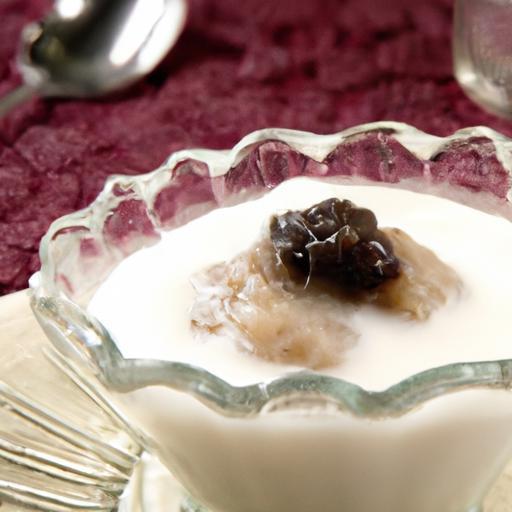
Velvety, sweet, and dotted wiht delicate pearls of tapioca, this beloved dessert has graced tables across the world, captivating taste buds with its unique texture and comforting flavor. Tapioca pudding, often seen as a simple, nostalgic treat, holds within its humble appearance a rich tapestry of history and culture waiting to be uncovered.From its origins rooted in indigenous traditions to its evolution into a classic dessert enjoyed globally, tapioca pudding is more than just a creamy indulgence-it is a story of exploration, adaptation, and culinary innovation. Join us as we dive spoon-first into the surprising history behind this timeless classic.
Tapioca Pudding: A Creamy Classic with Surprising History
Tapioca pudding is more than just a nostalgic dessert-it’s a delightful culinary treasure with roots that stretch across continents and cultures. This beloved dish, made from small tapioca pearls derived from cassava root, has journeyed through centuries, adapting and endearing itself to palates worldwide. Its creamy texture and subtle sweetness make it a comforting favorite, inviting endless creativity with flavors and toppings.
Origins of Tapioca Pudding and Its Cultural Importance
Tapioca pudding traces its origins to South America, where indigenous peoples first used the cassava root-a vital crop-to create the starchy pearls we now recognize. As European explorers encountered cassava, it quickly traveled to Asia, Africa, and beyond, evolving in preparation and cultural significance.
In many cultures, tapioca pudding holds a dual role as both a celebratory dessert and a humble comfort food. British households embraced it during the Victorian era, where it was often served at afternoon teas or family dinners. In Asia, variations combine tapioca with coconut milk and tropical fruits, reflecting local tastes and ingredients.This dessert’s ability to bridge cultural divides while providing a familiar creamy indulgence is part of its enduring charm.
prep and Cook Time
- Preparation: 10 minutes
- Cooking: 30 minutes
- Total Time: 40 minutes
Yield
Serves 4 comfortably
Difficulty Level
Easy - perfect for beginner and seasoned cooks alike
Ingredients
- ½ cup small tapioca pearls
- 3 cups whole milk (or substitute with coconut milk for a dairy-free twist)
- ½ cup granulated sugar
- 2 large eggs
- 1 tsp pure vanilla extract
- ¼ tsp salt
- Optional toppings: fresh berries, toasted coconut flakes, cinnamon, or caramel sauce
Instructions
- Soak the tapioca pearls: In a medium bowl, cover the tapioca pearls with water enough to submerge them and let soak for about 30 minutes to soften.
- Drain and combine: Drain tapioca pearls and place them in a medium saucepan along with 3 cups of whole milk and salt. Stir to combine.
- Cook the pearls: Heat over medium heat, stirring frequently to prevent sticking, until the mixture begins to thicken and tapioca pearls turn translucent-about 15-20 minutes.
- Prepare egg mixture: In a separate bowl, whisk together eggs, sugar, and vanilla extract until smooth and well combined.
- Temper the eggs: Slowly add a ladle of the hot tapioca mixture to the egg mixture, whisking constantly to avoid curdling.
- Combine and thicken: Pour the tempered egg mixture back into the saucepan with tapioca. Cook on low heat, stirring constantly, until pudding thickens further-approximately 5-7 minutes.do not boil to prevent scrambling the eggs.
- Cool and serve: Remove from heat, spoon into serving dishes, and allow to cool slightly. Tapioca pudding can be enjoyed warm or chilled for a firmer texture.
Innovative Flavors and Toppings to Elevate Your Tapioca Experience
The beauty of tapioca pudding lies in its subtle flavor, providing the perfect canvas for creative twists. Infuse your pudding base with fragrant spices such as cardamom, cinnamon, or star anise while cooking for subtle warmth. For a tropical flair,swap part of the milk with rich coconut milk and top with fresh mango,toasted pineapple,or lychee.
Sweet-savory enthusiasts can try a drizzle of honey and a sprinkle of toasted nuts or a dusting of matcha powder for a vibrant, earthy note. For a luxurious finish, a spoonful of homemade caramel sauce or a dollop of whipped cream adds indulgence that’s sure to impress.
Tips for Storing and Serving Tapioca Pudding to Enjoy Every Time
Store your tapioca pudding in an airtight container in the refrigerator for up to 4 days. Because tapioca continues to absorb liquid, it may thicken as it chills-simply stir in a splash of milk before serving to restore creaminess.
When serving, consider warm or chilled presentations. Warm pudding comforts with a silken texture on a cool evening, while chilled pudding feels refreshing and firm-ideal for summer gatherings. Garnishes like fresh mint leaves, edible flowers, or a twist of citrus zest enhance visual appeal and add delightful aromatics.
Chef’s Notes
- Small vs. large tapioca pearls: Use small pearls for a smoother texture; large pearls provide a more chewy bite but require longer soaking and cooking.
- Dairy alternatives: Coconut milk or almond milk create dairy-free versions, but be mindful of their thinner consistency.
- Texture tweaks: For extra creaminess, stir in a tablespoon of butter or cream at the end.
- Make-ahead tip: Pudding often tastes better the next day once flavors meld; prepare in advance for easy entertaining.
Nutritional Information
| Nutrient | Per Serving |
|---|---|
| Calories | 220 kcal |
| Protein | 6 g |
| Carbohydrates | 38 g |
| Fat | 4.5 g |
Discover more delightful dessert recipes like classic rice pudding to expand your creamy comfort food repertoire.
For a deep dive into the science behind tapioca pearls and their unique thickening properties, visit the Exploratorium’s Cooking Science section.

Q&A
Q&A: Tapioca Pudding - A Creamy Classic with Surprising History
Q1: What exactly is tapioca pudding?
A1: Tapioca pudding is a luscious, creamy dessert made from tiny, translucent pearls derived from the cassava root. When cooked slowly in milk or coconut milk and sweetened just right, these pearls swell into soft, chewy beads that create a comforting texture-both silky and satisfyingly tender.It’s like a cozy hug in a bowl!
Q2: Where does tapioca pudding come from?
A2: The story begins in South America, where cassava has been a dietary staple for centuries. tapioca pearls were first extracted by indigenous peoples from the cassava root. The pudding as we certainly know it, though, traveled far and wide via colonial trade routes, landing in europe and Asia, where local cooks adapted it with their own twists. So, beneath its humble appearance, tapioca pudding carries a passport full of cultural tales.Q3: How did tapioca pudding earn its “classic” status?
A3: By the 19th century, tapioca pudding had cemented itself in English and American kitchens. Its affordable ingredients and simple preparation made it a popular comfort food. Over time, families passed down treasured recipes, sometimes adding vanilla, cinnamon, or eggs, turning it into a cherished tradition. It’s a classic because it bridges generations with creamy warmth and nostalgia.
Q4: Are there surprising variations of tapioca pudding around the world?
A4: Absolutely! In Southeast Asia, where coconut milk often replaces dairy, tapioca pudding takes on a tropical twist-think pandan leaves, palm sugar, or fresh mango. In Brazil, it’s frequently enough enriched with condensed milk and a hint of citrus zest. And in Japan,a tapioca-based dessert called “anmitsu” mixes pearls with agar jelly and fruit for a refreshing treat. So, this humble pudding wears many delicious hats globally.
Q5: What makes tapioca pearls unique compared to other pudding bases?
A5: tapioca pearls offer a beguiling texture that’s part jelly, part chew-unlike smooth puddings made from cornstarch or rice. Their unique bounce and translucency create both visual appeal and a playful mouthfeel. They don’t dissolve fully, giving each spoonful a delightful surprise. It’s like a secret treasure hidden in creamy comfort!
Q6: Can tapioca pudding be made vegan or healthier?
A6: Definitely! Swap traditional cow’s milk for almond, soy, or coconut milk, and replace sugar with natural sweeteners like maple syrup or agave. The pearls themselves are gluten-free and naturally grain-free,making tapioca pudding an accessible choice for many dietary needs. Plus, with less fat and simple ingredients, it’s both a nostalgic indulgence and a mindful treat.
Q7: How can I make tapioca pudding at home without fuss?
A7: The secret is patience and gentle heat. Soak small tapioca pearls for about 30 minutes, then simmer slowly in your choice of milk and sweetener, stirring occasionally until the pearls turn translucent and the mixture thickens. Flavor with vanilla or your favorite spices, then chill to let it set further. voila-a creamy classic ready to enchant your taste buds!
Q8: Why does tapioca pudding continue to charm dessert lovers today?
A8: because it’s simple yet versatile, comforting yet slightly playful. Tapioca pudding connects us to history, culture, and the joy of slow-cooked sweetness. Whether served warm on a chilly night or chilled on a summer afternoon,it’s a timeless dessert that invites creativity while reminding us of stories passed down through spoonfuls of creamy delight.
To Wrap It Up
Whether enjoyed as a nostalgic treat or a curious culinary adventure, tapioca pudding invites us to savor more than its creamy texture and subtle sweetness. Behind each spoonful lies a story woven through centuries and continents-a testament to how a humble starch from the cassava root journeyed across the globe to become a beloved dessert. So next time you indulge in this classic comfort food, remember that you’re not just tasting a pudding; you’re partaking in a rich tapestry of history that continues to delight palates and inspire cooks around the world.