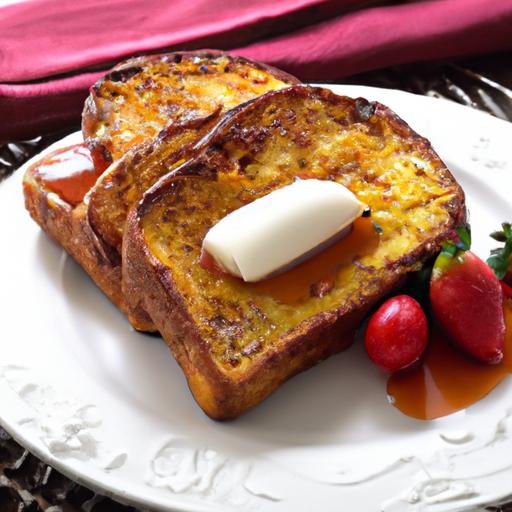

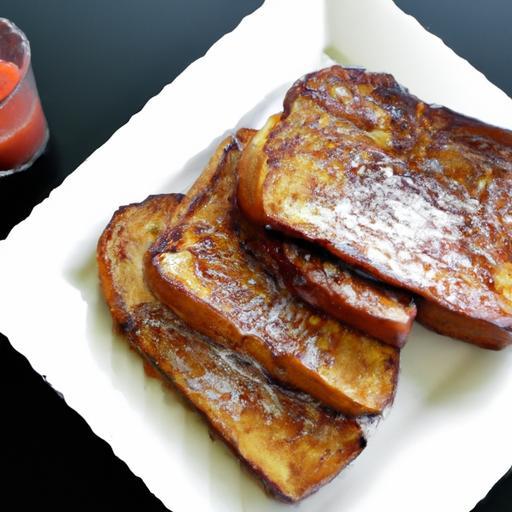
There’s something irresistibly nostalgic about a golden slice of French toast-crisp on the outside, tender and custardy within, and frequently enough crowned with a cascade of syrup, fruit, or powdered sugar. But have you ever paused to wonder where this beloved breakfast classic truly comes from,or how it transformed from humble beginnings into the versatile dish we adore today? In this article,we’ll embark on a delightful journey through the origins of french toast,uncover expert tips to perfect your own batch,and explore inventive twists that elevate this simple comfort food into a culinary adventure. Whether you’re a seasoned brunch enthusiast or a curious kitchen novice, prepare to see French toast in a whole new light.
French Toast Uncovered: Origins, Tips, and Tasty Twists
French Toast Uncovered invites you on a tasty journey into one of the world’s most beloved breakfast delights. with roots tracing back over a thousand years,this humble dish has woven itself into countless cultures,each adding a unique spin. Whether it’s the eggy richness of classic French pain perdu or the spicy Baba Roti of India, French toast offers endless inspiration. as a lifelong culinary enthusiast, I remember my very first batch-crispy edges melting into a custardy centre, drizzled with warm maple syrup.That perfect balance of textures and flavors makes mastering French toast an art worth perfecting.
Prep and Cook Time
- Preparation: 10 minutes
- Cooking: 15 minutes
- Total Time: 25 minutes
Yield
Serves 4 generous portions
Difficulty Level
Easy – ideal for cooks of all skill levels looking to elevate their breakfast game
Ingredients
- 4 large eggs, room temperature
- 1 cup whole milk (or almond milk for dairy-free)
- 2 tablespoons granulated sugar
- 1 teaspoon pure vanilla extract
- ½ teaspoon ground cinnamon
- Pinch of salt
- 8 slices thick-cut brioche or challah bread, slightly stale for best absorption
- 3 tablespoons unsalted butter, for frying
Instructions
- Whisk the custard: In a wide, shallow bowl, vigorously whisk together the eggs, milk, sugar, vanilla, cinnamon, and salt until smooth and slightly frothy.
- Prepare the bread: dip each slice of bread into the custard mixture, allowing it to soak for about 20 seconds per side. Avoid overly saturating to prevent sogginess-think tender, not mushy.
- Heat the pan: Melt 1 tablespoon of butter in a large non-stick skillet over medium heat.Ensure the pan is hot enough-test by flicking a drop of custard; it should sizzle immediately.
- Cook the French toast: Place soaked bread slices in the skillet in a single layer, cooking 3-4 minutes per side or until golden brown and crisp.Add more butter as needed between batches.
- Keep warm: Transfer cooked slices to a baking sheet in a warm oven (200°F / 93°C) while finishing the rest.
Tips for Success
- Choose your bread wisely: Brioche, challah, or even a rustic sourdough enrich the texture beautifully and offer a sturdy base for custard soaking.
- Room temperature eggs and milk: Help create a creamy custard without shocking the bread.
- Don’t rush soaking: Brief immersion keeps slices intact; prolonged soaking often leads to breakage.
- Test your heat: Medium heat is ideal to crisp the exterior without burning.
- Make-ahead hint: Custard can be prepared the night before and refrigerated, allowing deeper flavor infusion.
- Substitutions: Coconut or oat milk works beautifully for dairy alternatives; use ground nutmeg or cardamom for an exotic twist on spice.
Serving Suggestions
Present your French toast stacked high, generously dusted with powdered sugar, and crowned with fresh berries like raspberries or blueberries for a burst of tartness. Add a dollop of whipped cream or rich Greek yogurt to amp up the creaminess.For the sweet tooth, drizzle with pure maple syrup or a homemade caramel sauce infused with a hint of sea salt. A sprinkle of toasted nuts (pistachios or pecans) adds delightful crunch and color. Don’t forget a sprig of fresh mint to brighten the plate visually and aromatically.

Nutritional Information (per serving)
| Calories | Protein | Carbs | Fat |
|---|---|---|---|
| 320 kcal | 12 g | 35 g | 13 g |
Exploring Flavor Innovation
French Toast Uncovered goes beyond tradition-consider savory versions using herb-infused custards or even smoky cheeses for brunch with a twist.Sweet adventures include smashed bananas and Nutella, or a tropical flair with toasted coconut and mango salsa. The adaptability of this dish means every plate served can be your own signature creation.
Healthier Alternatives Without Sacrificing Flavor
Swap out white bread for whole-grain or gluten-free options for added fiber. Use egg whites with one yolk for reduced cholesterol without losing that custardy texture. Incorporate plant-based milks and natural sweeteners like honey or maple syrup in moderation. Remember, crisp and golden edges come from proper heat control and the right bread choice-no need for excess butter or oil to achieve this.
For further culinary explorations, discover more about classic French pastries on this site. Expand your palate with verified knowledge from Encyclopaedia Britannica’s history of French toast.
Q&A
Q&A: French Toast Uncovered – Origins, Tips, and tasty Twists
Q1: Where did french toast originally come from?
A1: Despite its name, French toast didn’t actually originate in France! This beloved breakfast dish dates back to ancient times, with recipes found as early as the Roman Empire. The concept is simple: soaking bread in a mixture of eggs and milk, then frying it to golden perfection. Various cultures have their own version, but the name “French toast” became popular in America in the 18th century, possibly linked to the French culinary tradition of using day-old bread creatively.
Q2: What makes the perfect French toast batter?
A2: The magic lies in balance! A luscious French toast custard combines eggs, milk (or cream for extra richness), a pinch of salt, and a touch of sugar or vanilla for sweetness. Adding spices like cinnamon or nutmeg can elevate the flavor.The key is to soak the bread just enough to absorb the custard without becoming soggy – think about 20-30 seconds per side.
Q3: What kind of bread works best for French toast?
A3: Thick-cut, sturdy bread is your best friend here. Brioche, challah, or Texas toast shine as their dense crumb holds up to soaking without turning mushy. Sourdough or classic white bread can work but may require less soaking time.Day-old or slightly stale bread is ideal-it soaks up the batter better and crisps nicely when cooked.
Q4: Any secret tips for cooking flawless french toast?
A4: Absolutely! Use a non-stick skillet or griddle, and cook over medium heat to achieve a crispy outside and custardy inside. Butter or a mix of butter and oil prevents burning and adds flavor.Patience is crucial – flipping too soon results in breakage or undercooked centers. also, don’t overcrowd your pan; give each slice space to crisp evenly.
Q5: How can I get creative and twist up my French toast?
A5: The sky’s the limit! Some tasty twists include:
- Stuffed French toast with cream cheese and fresh berries tucked between slices.
- Savory versions featuring herbs, cheese, or even smoked salmon.
- Infusing your custard with citrus zest, coffee, or espresso for a flavor punch.
- Topping with unconventional delights like mascarpone, caramelized bananas, or spiced nuts.
Experimenting with toppings, batters, and breads can transform this humble classic into a gourmet masterpiece.
Q6: Is French toast just a breakfast food?
A6: Not at all! While traditionally enjoyed at breakfast or brunch, French toast makes a fantastic dessert when served with ice cream, chocolate sauce, or fresh fruit compote. It can even be a fun dinner option when made savory. Its versatility is part of its enduring charm.
Whether you’re a French toast fanatic or a curious cook, understanding its origins and mastering these tips will have you serving up slices of golden joy in no time!
Closing Remarks
As we close the chapter on our journey through the golden, custardy world of French toast, it’s clear this humble dish carries a rich tapestry of history and flavor. From ancient recipes to modern twists, French toast has proven to be much more than just a breakfast staple-it’s a canvas for creativity and comfort. Whether you prefer it drizzled with maple syrup, dusted with cinnamon, or adorned with exotic fruits and spices, the timeless charm of French toast invites endless experimentation. so next time you crack those eggs and dip that bread, remember you’re partaking in a delicious tradition that transcends borders and eras.Bon appétit!