
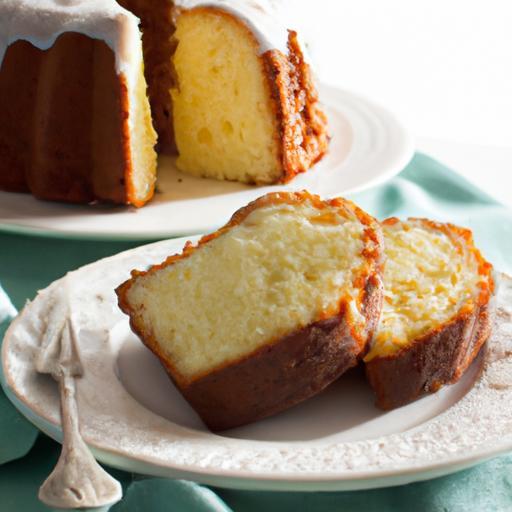
There’s a reason why pound cake has stood the test of time, charming generations with its buttery aroma and tender crumb. More than just a simple dessert, classic pound cake is a culinary icon-an enduring symbol of comfort, tradition, and the art of baking itself. But what exactly makes this humble cake so irresistibly timeless? In this exploration, we’ll unveil the secrets behind pound cake’s perfect balance of texture and flavor, trace its rich history, and reveal tips that turn an ordinary recipe into a slice of perfection. whether you’re a seasoned baker or a curious novice, prepare to discover why pound cake remains a beloved staple on tables around the world, a true delight that never goes out of style.
Timeless Delight begins with selecting the finest ingredients, as this simple cake relies heavily on quality for its rich flavor and tender texture. Originating from European kitchens centuries ago, the classic pound cake is a testament to culinary elegance-where butter, sugar, eggs, and flour harmoniously combine to create a golden crust with a moist, velvety crumb.I fondly recall my grandmother’s kitchen, where the aroma of freshly baked pound cake embraced the air, promising warmth and comfort. This recipe invites you to master the essential techniques that transform humble ingredients into a luscious treat that’s perfect for any occasion.
Prep and Cook time
- Readiness: 15 minutes
- Baking: 60 minutes
- Cooling: 20 minutes
- Total Time: 1 hour 35 minutes
Yield
Serves 10-12 generous slices
Difficulty Level
Medium – Ideal for bakers agreeable with classic creaming techniques and precise baking times.
Ingredients
- 1 cup unsalted butter, softened to room temperature
- 1 ¾ cups granulated sugar
- 4 large eggs, at room temperature
- 2 ½ cups all-purpose flour, sifted
- 1 tsp pure vanilla extract
- ½ tsp fine sea salt
- ½ cup whole milk, warmed slightly
- Optional: Zest of 1 lemon or orange for a citrus twist
Instructions
- Preheat your oven to 350°F (175°C). Grease and flour a 9×5-inch loaf pan, tapping out excess flour to prevent sticking.
- Cream the softened butter and sugar in a large bowl using an electric mixer. Beat for about 4-5 minutes until the mixture is pale, fluffy, and holds soft peaks. This aeration is vital for the cake’s tender crumb.
- Add the eggs one at a time, incorporating each fully before adding the next. Beat on medium speed to maintain an airy texture and prevent curdling.
- Mix in vanilla extract (and citrus zest, if using) for subtle depth of flavor.
- In a separate bowl, combine the sifted flour and salt. Alternate adding the dry ingredients and warm milk into the butter mixture in three batches, beginning and ending with the flour. fold gently with a spatula or mix on low speed-overmixing will develop gluten and toughen the cake.
- Pour the batter evenly into your prepared loaf pan, smoothing the surface with a spatula.
- Bake for 55-65 minutes, or until a toothpick inserted in the center comes out clean. The crust should be a rich golden brown with subtle cracks on top.
- Cool in the pan for 15 minutes, then transfer to a wire rack to cool completely to maintain that perfect tender crumb.
Chef’s Notes: Tips for Success with This Timeless Delight
- Butter Temperature: Use softened-not melted-butter to achieve proper creaming and air incorporation.
- Eggs: Room temperature eggs emulsify more easily, ensuring uniform batter texture.
- Measuring Flour: Spoon and level flour rather of scooping to avoid a dense batter.
- Mixing: Avoid overmixing once dry ingredients are added to preserve a tender crumb.
- Make-Ahead: Pound cake flavors deepen after a day and can be wrapped tightly and stored at room temperature for up to 3 days or frozen for up to 1 month.
- Flavor Variations: Incorporate almond extract (½ tsp) or swirl fresh berries or chocolate chips for personalized indulgence.
- Oven Tips: Rotate pan halfway thru baking for even browning, but only after 40 minutes to prevent sinking.
Serving Suggestions to Elevate Your classic Pound cake Experience
The beauty of this Timeless Delight lies not only in its rich simplicity but how effortlessly it pairs with a variety of accompaniments. Serve warm slices with a dusting of powdered sugar or a drizzle of honey for understated elegance.
For a luxurious twist, top with freshly whipped cream and seasonal berries such as raspberries, blueberries, or sliced peaches. A dollop of lemon curd or raspberry preserves adds a tart contrast that brightens the palate.
To complement afternoon tea, slice thinly and layer with vanilla bean ice cream for an impromptu dessert sandwich. Warmed gently, it is indeed also sublime when paired with a (black tea or coffee) to accentuate rich butter notes.

| Nutrient | Per Serving (1 slice) |
|---|---|
| calories | 320 kcal |
| Protein | 5 g |
| Carbohydrates | 38 g |
| Fat | 17 g |
Looking to deepen your baking skills? Explore our detailed cake baking techniques guide for tips on temperature control and batter handling. For the science behind ingredient selection and gluten development, Serious Eats offers expert insights that complement this recipe beautifully.
Q&A
Q&A: Timeless Delight - The Secrets Behind Classic Pound Cake
Q1: What makes pound cake a “timeless” dessert?
A1: Pound cake has stood the test of centuries, cherished for its simplicity and comforting richness. Originating in the 18th century, it was named for its original recipe-one pound each of flour, butter, sugar, and eggs. This straightforward formula creates a cake that is beautifully dense yet tender, making it a dependable classic in any era.
Q2: Why is pound cake so uniquely dense compared to other cakes?
A2: The secret lies in the heavy ratio of butter and eggs to flour, plus the absence of chemical leaveners like baking powder or soda in traditional recipes. This combination builds a tight crumb structure that gives pound cake its signature moist, velvety texture that almost melts in your mouth.
Q3: How does butter influence the flavor and texture of a classic pound cake?
A3: Butter is the star of the show. It not only imparts a rich, creamy flavor but also provides the luscious mouthfeel pound cake is famous for. Properly creaming butter with sugar incorporates air, which helps the cake rise subtly, contributing to its delicate crumb despite its density.
Q4: Can the classic pound cake recipe be customized without losing its essence?
A4: Absolutely! While the traditional base is a heavenly canvas on its own, you can enhance pound cake with vanilla bean, lemon zest, or almond extract for added nuance.Some modern bakers fold in sour cream or buttermilk to elevate moisture without sacrificing its classic character.
Q5: Why do some pound cakes have a golden crust while others don’t?
A5: The golden crust comes from the Maillard reaction, where butter and sugar caramelize under moderate oven heat. Using real butter and baking the cake in a well-greased pan at the right temperature encourages this stunning exterior,offering a slight crunch that contrasts the tender inside.
Q6: How should one properly store pound cake to preserve its freshness?
A6: pound cake loves to be wrapped tightly in plastic wrap or stored in an airtight container to prevent drying out. it can remain fresh at room temperature for 2-3 days, or refrigerated for about a week.For longer storage, freezing wrapped slices works wonderfully-simply thaw at room temperature when ready to enjoy.
Q7: What pairs beautifully with a slice of classic pound cake?
A7: The possibilities are endless, but timeless companions include fresh berries and whipped cream, a drizzle of warm fruit compote, or a scoop of vanilla ice cream. Its buttery richness also balances well with a tangy lemon curd or a simple dusting of powdered sugar.
Q8: Why does pound cake evoke such nostalgia for many?
A8: Pound cake’s humble origin and comforting taste carry a sense of home and tradition. It’s frequently enough linked to family gatherings, festive celebrations, and simple pleasures, making each bite a warm reminder of cherished moments in time.
Unlocking the secrets behind the classic pound cake reveals a dessert that’s more than just a recipe-it’s a sensory journey through history, flavor, and memory.
Insights and Conclusions
As we slice through the buttery layers of a classic pound cake, we’re not just indulging in a dessert; we’re savoring a piece of culinary history-one that has stood the test of time with its simple elegance and comforting richness. The secrets behind this timeless delight remind us that sometimes, the most straightforward ingredients, treated with care and patience, create the most enduring pleasures. whether enjoyed fresh from the oven or paired with a cup of tea on a quiet afternoon, the classic pound cake continues to invite us back to its warm, golden embrace-a sweet reminder that tradition and taste go hand in hand in crafting truly unforgettable flavors.