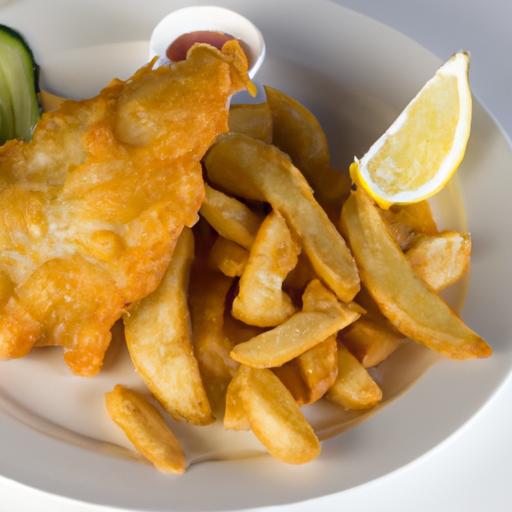

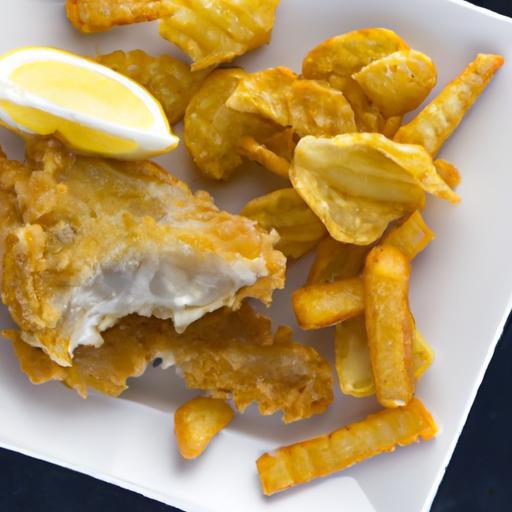
There’s something undeniably comforting about the irresistible crunch of perfectly battered fish paired with golden,crispy chips. more than just a meal, classic fish and chips have become a beloved symbol of culinary tradition, nostalgia, and community across generations. But how did this humble dish, born from simple ingredients, rise to iconic status on plates around the world? In “Crunchy Delights: The Story Behind Classic Fish and Chips,” we’ll dive deep into the origins, cultural journey, and enduring appeal of this crispy, flavorful favorite that continues to capture hearts-and appetites-everywhere.
Crunchy Delights await every home cook who decides to master the art of fish and chips, a dish steeped in rich history and beloved across Britain. This iconic comfort food’s charm lies not just in it’s crispy, golden batter but in the thoughtful pairing of flaky fish and perfectly cooked chips.Originating from working-class london in the 19th century, this dish quickly became a nationwide favorite, celebrated for its hearty simplicity and indulgent crunch. Today, we dive into traditional batter techniques and selecting the perfect fish to recreate that irresistible crispiness in your own kitchen.
Prep and Cook Time
Preparation: 20 minutes
Cooking: 15 minutes
Total Time: 35 minutes
Yield
Serves 4 generous portions
Difficulty Level
Medium – Ideal for cooks ready to experiment with batter and frying techniques
Ingredients
- 4 fresh white fish fillets (such as cod or haddock), skin removed and patted dry
- 1 cup all-purpose flour, sifted (plus extra for dusting)
- 1/2 cup cornflour (cornstarch)
- 1 tsp baking powder
- 1 tsp sea salt
- 1/2 tsp freshly ground black pepper
- 1 cup cold sparkling water or cold beer (lager or pale ale works well)
- 4 large Maris Piper or Russet potatoes, peeled and cut into thick chips
- Sunflower or vegetable oil for deep frying (enough to fill your fryer/pan 3-4 inches deep)
- Fresh lemon wedges for serving
- Malt vinegar and tartar sauce for dipping
Instructions
- Prepare the chips: Soak the cut potatoes in cold water for at least 30 minutes, then drain and pat dry thoroughly. This removes excess starch for crispier fries.
- First fry the chips: Heat oil to 320°F (160°C). Fry the chips in batches for 4-5 minutes until softened but pale. Remove and drain on paper towels.
- Make the batter: In a mixing bowl, whisk together sifted flour, cornflour, baking powder, salt, and pepper. Gradually add the cold sparkling water or beer while whisking to create a smooth,thick batter. Keep the batter cold until ready to use.
- Prepare the fish: lightly dust each fillet with plain flour to help the batter adhere.
- Heat the oil: Increase oil temperature to 350°F (175°C) for frying fish.
- Batter and fry the fish: Dip each floured fillet into the batter, allowing excess to drip off. Carefully lower into hot oil and fry for 6-8 minutes, turning once, until golden brown and crispy. Drain on paper towels.
- Finish the chips: Raise oil temperature to 375°F (190°C). Return chips for a quick second fry until golden and crunchy, about 2-3 minutes. Drain and season immediately with salt.
- Serve: Plate the crispy fish with hot chips, garnished with a lemon wedge and accompanied by malt vinegar and tartar sauce.
Tips for success
- Keep the batter cold: Using cold beer or sparkling water enhances the batter’s crispiness. Chill the bowl beforehand if possible.
- Choose the right fish: Classic white fish like cod and haddock offer a mild flavor and flaky texture perfect for battering. Avoid oily fish that won’t crisp up well.
- Oil temperature matters: Use a deep-fry thermometer to maintain steady heat, ensuring a crunchy, golden coating without greasiness.
- Double fry chips: This technique creates delightfully crunchy exteriors and soft, fluffy centers.
- Make ahead: Prepare the batter and chips in advance; chill the batter and soak chips overnight in the fridge for convenience.
- Experiment: Try adding a pinch of cayenne for spicy batter or fresh herbs to the flour blend for a personalized twist.
Serving Suggestions
For the ultimate classic experience, serve your fish and chips wrapped in parchment paper or newspaper-style greaseproof paper for that nostalgic feel. Add a generous sprinkle of flaky sea salt and a dusting of malt vinegar just before eating. crisp garden peas or mushy peas make a vibrant side, while a wedge of lemon brightens the flavors. for dipping, offer housemade tartar sauce, perhaps with a hint of capers and fresh dill. A cold pint of British ale or a sparkling lemonade pairs beautifully, balancing the rich crunch.

| Nutrient | Per Serving |
|---|---|
| Calories | 650 kcal |
| Protein | 35 g |
| Carbohydrates | 50 g |
| Fat | 30 g |
Explore more on traditional British dishes like how to make mushy peas to accompany your fish and chips feast. For authentic historical insights, visit British Heritage – Fish and Chips.
Q&A
Q&A: Crunchy Delights – The Story Behind Classic Fish and Chips
Q1: What makes fish and chips such an iconic dish?
A1: Fish and chips is more than just a meal; its a cultural icon that combines crispy,golden batter with flaky,tender fish and perfectly fried potatoes. Its simplicity, satisfying crunch, and comforting flavors have made it a beloved staple, especially in the UK, symbolizing both tradition and everyday indulgence.
Q2: Where did fish and chips originate?
A2: The roots of fish and chips trace back to 19th-century England. While fried fish was introduced by Jewish immigrants from Portugal and Spain, chips (thick-cut fries) where popularized separately. The marriage of the two in the working-class neighborhoods created a quick, affordable, and hearty meal, igniting a culinary love affair that endures today.Q3: Why is the batter so important?
A3: The batter is the heart of that signature crunch. Traditionally made from a mix of flour, water or beer, and sometimes baking soda, it acts as a delicate shell that crisps up beautifully when fried, locking in moisture and flavor. The lightness and crunch contrast perfectly with the softness of the fish inside and the chips beside it.
Q4: What types of fish are typically used?
A4: Cod and haddock reign supreme in classic fish and chips.both have firm, white flesh that holds up well during frying and offers a mild yet rich flavor. Depending on the region and season, other varieties like plaice or pollock might make an appearance, but cod and haddock remain the favorites for that quintessential taste.
Q5: How did fish and chips become a symbol during tough times?
A5: During World War II, fish and chips became a morale booster because they remained accessible and affordable despite rationing. The British government recognized this and ensured fish and chips shops stayed open,making the dish a comforting ritual that linked communities in resilience and solidarity.
Q6: What modern twists are chefs adding to this classic?
A6: Today’s chefs honor tradition but aren’t afraid to experiment. From gluten-free batters and artisanal seasonal fish to chips cooked in option oils or infused with herbs, innovations elevate the classic while preserving its soulful crunch. Some even pair fish and chips with exotic sauces, turning this humble dish into a gourmet experience.
Q7: Why does fish and chips continue to captivate food lovers worldwide?
A7: Fish and chips embodies comfort, history, and craftsmanship wrapped in an irresistible crunch.It’s a dish that invites nostalgia yet welcomes reinvention-a reminder that sometimes, the simplest delight can be the most enduring. Whether enjoyed on a windy British pier or in a bustling urban eatery, fish and chips remain a crunchy party of flavor, heritage, and joy.
Final thoughts
From humble coastal origins to cherished global staple, the story of classic fish and chips is a testament to culinary ingenuity and cultural fusion. Each crispy bite carries a crunch of history, a splash of tradition, and a wave of nostalgia that continues to captivate taste buds around the world. So next time you unwrap that golden parcel of crispy fish and perfectly fried chips, remember-you’re savoring more than just a meal. You’re partaking in a delicious legacy of flavor, community, and crunchy delight that has stood the test of time.