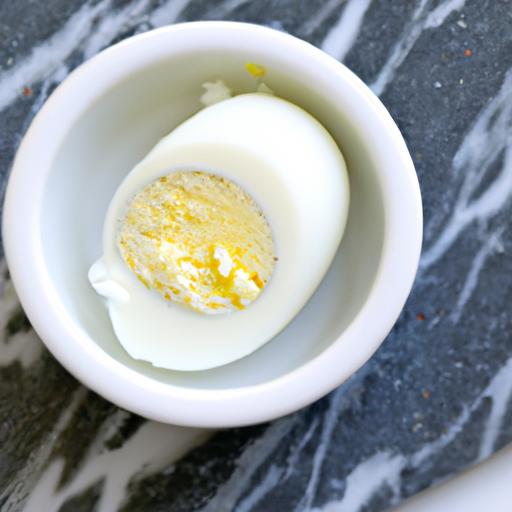

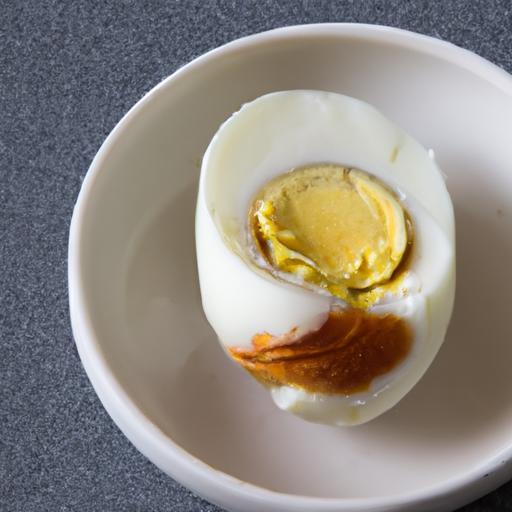
There’s a quiet magic in the humble soft boiled egg-a delicate dance of time and temperature that yields a silky yolk cradled by tender whites. Mastering this simple yet satisfying culinary art transforms breakfast into an experience, elevating a common ingredient to a breakfast table masterpiece.In this guide,we’ll crack open the secrets behind achieving the perfect soft boiled egg every time,blending science,technique,and a touch of intuition to help you savor that luscious,runny center with confidence and ease.Welcome to the art of perfection, one egg at a time.
mastering the art of perfect soft boiled eggs begins with choosing the right eggs and understanding freshness, timing, and temperature. Whether you’re elevating a simple breakfast or crafting a decadent brunch plate,soft boiled eggs offer an irresistible balance of velvety,runny yolks and tender whites that makes every bite pure comfort. From farm-fresh to pantry staples, selecting and handling eggs properly transforms this humble ingredient into a silky delight.
Prep and cook Time
- Planning: 5 minutes
- Cooking: 6-7 minutes
- total: 11-12 minutes
Yield
- Serves 2
Difficulty Level
- Easy
Ingredients
- 4 large free-range eggs (preferably fresh but not ultra-fresh, about 5 to 7 days old)
- 1 cup cold water
- Ice cubes for an ice bath
- Sea salt and freshly ground black pepper to taste
- Optional garnishes: finely chopped chives, toasted sesame seeds, flaky sea salt
Instructions
- Bring water to a boil. Fill a medium saucepan with cold water, at least one inch above your eggs. place over medium-high heat until the water reaches a gentle rolling boil.
- Prepare your eggs. While the water heats, carefully remove eggs from the fridge. Room-temperature eggs help avoid cracking and ensure even cooking. If stored cold, let them rest on the counter for 10 minutes.
- Gently lower eggs into water. Using a slotted spoon, lower the eggs one by one into the boiling water to prevent cracking.
- Start the timer for your perfect runny yolk. cook for exactly 6 minutes for tender whites and softly-set, liquid yolks. Adjust to 5:30 minutes for a slightly more fluid center or 7 minutes for a custard-like texture.
- Prepare an ice bath simultaneously. Fill a large bowl with ice and cold water to halt cooking immediatly after boiling.
- Transfer eggs to ice bath. Once the timer ends, swiftly remove eggs and submerge them in the ice bath for at least 3 minutes. This stops residual cooking and makes peeling easier.
- Peel with care. Gently tap each egg on a hard surface to crack the shell, then peel under running water for a smooth finish without tearing the whites.
- Season and serve. Slice in half with a sharp knife, sprinkle with sea salt and freshly ground pepper, and garnish as desired.
Tips for Success
- Choose eggs aged 5-7 days. ultra-fresh eggs are tricky to peel; eggs at least a few days old yield smoother results.
- control water temperature precisely. A rapid boil can cause cracking and uneven cooking. Maintaining a steady simmer after introducing eggs ensures tender whites.
- Use an ice bath every time. It’s the key to that perfect “stop cooking” moment that preserves the luscious yolk.
- Experiment with elevation. cooking time can vary based on altitude; increase by 15-20 seconds if you are high above sea level.
- Make ahead tip: Cook eggs up to one hour before serving, keep them in their ice bath, then peel just before eating.
- Don’t forget to stir gently. Some chefs recommend a gentle swirl in the first 30 seconds of cooking to center the yolk beautifully.
Creative serving ideas to Elevate Your Soft Boiled Egg Experience
- Breakfast toast upgrade: Nestle soft boiled eggs atop buttered sourdough, smear with smashed avocado, and finish with crushed chili flakes and a drizzle of olive oil.
- Asian flair: Serve halved eggs in a small bowl with soy sauce, toasted sesame seeds, finely sliced scallions, and a sprinkle of bonito flakes for umami-rich bites.
- Salad topper: Add soft boiled eggs to a bed of mixed greens, farmer’s cheese, cherry tomatoes, and a light balsamic vinaigrette, creating a balanced and elegant dish.
- Elegant appetizer: Fill delicate egg cups or demi-shells lined with smoked salmon or a dollop of crème fraîche, garnished with fresh dill.
| Nutrient | Per Egg |
|---|---|
| Calories | 68 kcal |
| Protein | 5.5 g |
| Carbohydrates | 0.6 g |
| Fat | 4.8 g |
Discover more egg-centric inspiration in our Hard Boiled Egg Variations post.
For detailed scientific insights into egg freshness and cooking chemistry, visit UC ANR Egg Science Program.

Q&A
Q&A: The Art of Perfect Soft Boiled Eggs – A Simple Guide
Q1: Why are soft boiled eggs so beloved worldwide?
A1: Soft boiled eggs strike the perfect balance between firm whites and luscious, runny yolks-offering both comfort and elegance in a single bite. They’re versatile, rapid to prepare, and elevate everything from breakfast toast to gourmet salads.Q2: What’s the secret to achieving that perfect, slightly jiggly yolk?
A2: timing is everything. Typically, gently boiling large eggs for 5 to 7 minutes yields that creamy center. but the magic also lies in starting with room temperature eggs, using fresh eggs, and promptly cooling them in an ice bath to halt the cooking process.
Q3: Should I start boiling the eggs in cold water or drop them into already boiling water?
A3: Both methods work, but starting eggs in boiling water usually offers better control and consistency for soft boiled perfection. It reduces the risk of overcooking and lets you time minutes precisely.
Q4: How does altitude affect cooking soft boiled eggs?
A4: At higher altitudes, water boils at lower temperatures, so you might need to increase cooking time slightly to get that silky yolk. It’s all about experimenting-add 30 seconds to a minute and adjust based on your personal taste.
Q5: any tips to peel soft boiled eggs without losing that delicate white?
A5: Definitely! Cracking eggs gently and peeling under a running cold water stream helps ease the shell away without tearing. Starting with an ice bath after boiling also firms up the whites, reducing stickiness.
Q6: Can I prepare soft boiled eggs in advance?
A6: Sure! You can boil them ahead, but keep them unpeeled and refrigerated. To reheat, immerse in hot water for a minute or two to warm without overcooking or drying out the yolk.
Q7: What creative ways can I enjoy my perfect soft boiled egg?
A7: Beyond the classic soldiers (toast strips), try topping grain bowls, cracking over avocado toast, stirring into ramen, or even serving with a sprinkle of smoked paprika and flaky sea salt for a gourmet twist.
Q8: What common mistakes should I avoid?
A8: Avoid overcooking (leading to chalky yolks), undercooking (runny whites), skipping the ice bath, and neglecting timing. Precision and patience transform an ordinary egg into a masterpiece.Q9: Does egg size affect the cooking time?
A9: Yes! Larger eggs will need a bit longer, while smaller ones cook faster. When trying a new batch or size, it’s wise to test timing to find your personal sweet spot.
Q10: can I soft boil eggs without a stove?
A10: Absolutely! You can use an electric kettle to boil water, then pour over eggs in a heatproof container, cover, and let stand for 6-7 minutes before cooling. It’s simple and effective-perfect for dorm rooms or travel.
Mastering the art of perfect soft boiled eggs isn’t just about eggs or boiling water-it’s a delightful dance of timing,temperature,and technique. with this simple guide, your breakfasts will never be the same!
Future Outlook
Mastering the art of the perfect soft boiled egg is more than just a cooking skill-it’s a small, satisfying ritual that elevates your breakfast and delights your senses. With a few simple steps and a little patience, you can achieve that tender, golden yolk and just-set white every time. So next time you crack open an egg, remember: perfection isn’t far away, just a gentle boil and a moment of mindful timing. Embrace the simplicity, savor the result, and let your soft boiled eggs become the humble highlight of your morning routine.