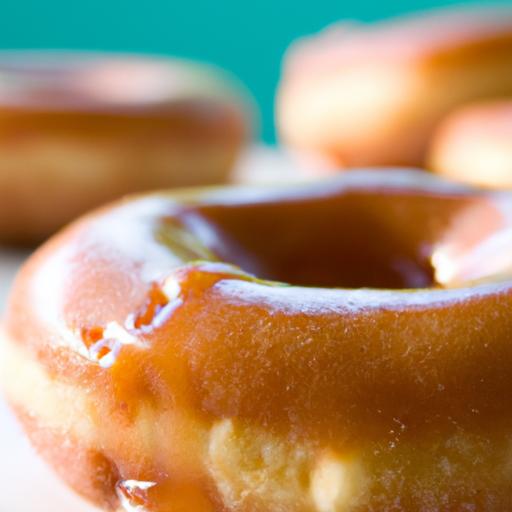

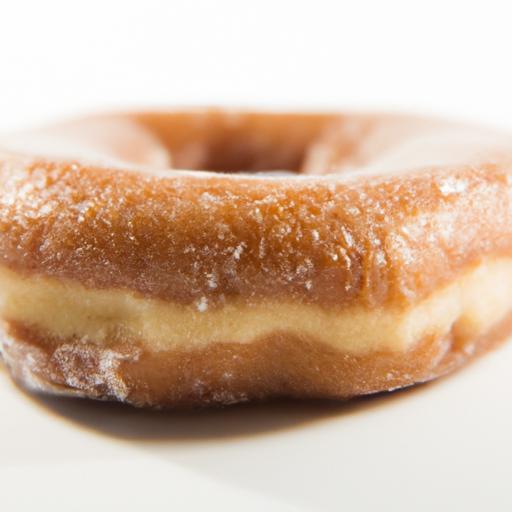
There’s a certain magic in the first bite of a perfectly baked donut-airy yet substantial, subtly sweet, and effortlessly light on the palate.While conventional fried donuts have long stolen the spotlight with their crispy, golden allure, a new trend is winning hearts in kitchens everywhere: the art of baked donuts. Striking a delicate balance between fluffy texture and wholesome indulgence, these treats elevate a beloved classic into a lighter, healthier realm without sacrificing flavor. in this article, we’ll dive into the secrets behind crafting these deliciously light confections, exploring techniques, ingredients, and tips that transform simple batter into irresistibly tender masterpieces. Welcome to the world where baking meets bliss-where every donut is a bite-sized celebration of skill, science, and sweet satisfaction.
Deliciously Light donuts are a celebration of airy texture and subtle sweetness, transforming a humble treat into an indulgence that feels effortless. The secret lies in crafting a perfect donut dough that balances delicate structure with tender crumb. My journey in perfecting this recipe started in a small bakery, where every bite was a revelation of fluffy lightness paired with rich flavor. Achieving that melt-in-your-mouth moment is an art-one that hinges on nuanced control of temperature, precise timing, and inventive flavor pairings.
Prep and Cook Time
- Planning: 20 minutes
- Proofing: 1 hour 15 minutes
- Baking: 12-15 minutes
- Total: Approximately 1 hour 50 minutes
Yield
Yields 12 medium-sized baked donuts, perfect for sharing or savoring throughout the week.
Difficulty Level
Medium – Suitable for home bakers with some familiarity in yeast doughs and baking precision.
Ingredients
- 2 ½ cups all-purpose flour, sifted
- 2 ¼ tsp (1 packet) active dry yeast
- 1/3 cup warm whole milk (110°F / 43°C)
- 3 tbsp granulated sugar
- 2 tbsp unsalted butter, melted and slightly cooled
- 1 large egg, room temperature
- ½ tsp fine sea salt
- 1 tsp pure vanilla extract
- optional: zest of 1 lemon or orange for flavor infusion
- Non-stick baking spray or parchment paper for lining pans
Instructions
- Activate the yeast. In a small bowl, combine warm milk and sugar. sprinkle yeast on top and stir gently. Allow it to bloom for 5-7 minutes until frothy and bubbling, signaling your yeast is active and ready.
- Prepare the dough base. In a large mixing bowl, whisk together flour and salt.Make a well in the center; add the melted butter, egg, vanilla extract, and optional citrus zest.
- Combine liquids and dry ingredients. Pour the yeast mixture into the flour well. Use a wooden spoon or dough hook attachment on a stand mixer to bring ingredients together until a soft dough forms. Avoid overmixing; stop as soon as the dough pulls away from the bowl.
- Knead for fluffiness. Turn the dough out onto a lightly floured surface and knead for about 8-10 minutes. Kneading develops the gluten network essential for that airy texture. Alternatively, use a stand mixer with a dough hook on medium speed.
- First proof: rest and rise. Lightly grease a clean bowl, place the dough inside, and cover it with a damp kitchen towel or plastic wrap. Let it rise in a warm spot for about 1 hour or until the dough doubles in size.
- Shape your donuts. Gently punch down the dough to release gases. Roll it to about ½ inch thickness on a floured surface. Use donut cutters or two round cutters (one large, one small) to cut out shapes. Transfer the donuts onto a parchment-lined baking sheet with space between each.
- Second proof: crucial for airiness. Cover the shaped donuts and let them rise an additional 30 minutes. This second bloom is key to lightness-it ensures a soft crumb and delicate rise without heaviness.
- Bake to golden delight. Preheat your oven to 375°F (190°C). Bake donuts for 12-15 minutes until lightly golden and springy to the touch. Avoid overbaking to preserve moisture and tenderness.
- Cool and adorn. Let the donuts cool slightly on a wire rack. Now they are ready to be dressed with your favorite toppings or flavor infusions.
Expert Tips for Baking Donuts Light Enough to Delight Every Palate
- Temperature magic: Warm milk (not hot) helps activate yeast without killing it. Dough that is too cold slows rising, too warm accelerates it, risking tough texture.
- Precise timing: Patience during proofing allows gluten to relax and aerate, creating the desirable fluff. Never rush or skip resting phases.
- Experiment with infusions: Citrus zest, ground spices like cardamom or cinnamon, or a splash of almond extract can gently enhance flavor without overwhelming softness.
- Moisture balance: Avoid adding too much flour during rolling, which can toughen the final product.Use just enough to prevent sticking.
- Non-fried advantage: Baking retains lightness and reduces greasiness typical in fried donuts, making these treats deliciously light and easier to digest.
Serving Suggestions
These donuts shine best when paired with simple glazes or creative toppings to complement their airy nature:
- Classic vanilla or lemon glaze drizzled with toasted coconut flakes
- Rich chocolate ganache topped with crushed pistachios
- Dust with cinnamon sugar for a cozy, nostalgic vibe
- Fill with homemade jam or vanilla pastry cream for an indulgent surprise inside
- Present with fresh berries and a dusting of powdered sugar for a visually stunning finish
| Nutrition | Per Donut |
|---|---|
| Calories | 160 kcal |
| Protein | 4g |
| Carbohydrates | 25g |
| Fat | 5g |
For more inspiration on baked treats, explore our curated collection of light and fluffy pastries. To understand the science behind yeast activation and dough rising, check out this thorough guide by King Arthur Baking.

Q&A
Q&A: Deliciously Light - The Art of Perfectly Baked Donuts
Q1: What makes baked donuts diffrent from traditional fried donuts?
A1: Unlike their deep-fried cousins, baked donuts offer a lighter, less oily alternative without sacrificing flavor or texture. Baking reduces fat content and creates a soft, tender crumb that feels just as indulgent but is easier on the palate-and the waistline!
Q2: How can you achieve that perfect lightness in baked donuts?
A2: The secret lies in a few key techniques: using cake flour for a finer texture, carefully incorporating leavening agents like baking powder for lift, and avoiding overmixing the batter to keep gluten development minimal. This careful balance creates a fluffy yet moist donut that practically melts in your mouth.
Q3: Are there specific ingredients that help create that airy texture?
A3: absolutely! Ingredients like buttermilk or yogurt add acidity and moisture, tenderizing the dough while encouraging a gentle rise. Whipped eggs or egg whites beaten to soft peaks can also introduce extra air,elevating the donut to ethereal heights.
Q4: can you customize flavors without compromising lightness?
A4: Certainly! Baked donuts are a versatile canvas-infuse your batter with zests, spices, extracts, or mashed fruits. Just remember that adding too much heavy mix-ins can weigh down the donut, so balance is key to maintain that perfect lift.
Q5: What about toppings and glazes? Do they need special consideration?
A5: Toppings can add a delightful contrast of texture and flavor. Light glazes made with powdered sugar and citrus juice or a drizzle of dark chocolate complement the donut’s delicate crumb without overwhelming it. for crunch, toasted nuts or a sprinkle of coconut work beautifully.
Q6: Any tips for baking donuts evenly?
A6: Using a quality donut pan ensures uniform shape and size, promoting even baking. Preheating the oven and placing the pan in the center rack helps regulate heat distribution. Keep a close eye-baked donuts cook quickly, often in just 10-12 minutes, so timing is crucial to avoid dryness.
Q7: Is it possible to make baked donuts vegan or gluten-free?
A7: Definitely! Substituting dairy and eggs with plant-based alternatives like almond milk and flaxseed “eggs” works well.Gluten-free flours can be used but may require tweaks in moisture and binding agents to replicate that airy texture.Experimentation is part of the delicious journey!
Q8: Why should home bakers consider baking donuts over frying?
A8: Baking donuts simplifies the process, reduces mess, and is generally healthier without compromising on indulgence. Plus, it opens up a realm of creative possibilities for flavors and dietary preferences, making homemade donut magic accessible to all.
Q9: How do you store baked donuts to keep them fresh?
A9: Store them in an airtight container at room temperature for up to two days to maintain softness. Refrigeration can dry them out, but gently warming them before serving can rejuvenate their tender crumb.
Q10: What’s the best way to enjoy these deliciously light baked donuts?
A10: Enjoy them fresh with a cup of coffee or tea, or as a guilt-free treat anytime. Their delicate texture and subtle sweetness make them perfect for breakfast, brunch, or a delightful afternoon pick-me-up. The art of perfectly baked donuts is all about savoring lightness with every bite!
In Summary
mastering the art of perfectly baked donuts is more than just a recipe-it’s a delicate balance of science and creativity, an invitation to enjoy a treat that’s as light as a cloud yet bursting with flavor. Whether you’re a seasoned baker or a curious beginner, embracing these techniques allows you to transform humble ingredients into golden, airy delights that satisfy the soul without weighing it down. So, next time the craving strikes, remember: the perfect donut isn’t just fried-it’s thoughtfully crafted, deliciously light, and irresistibly yours to savor.