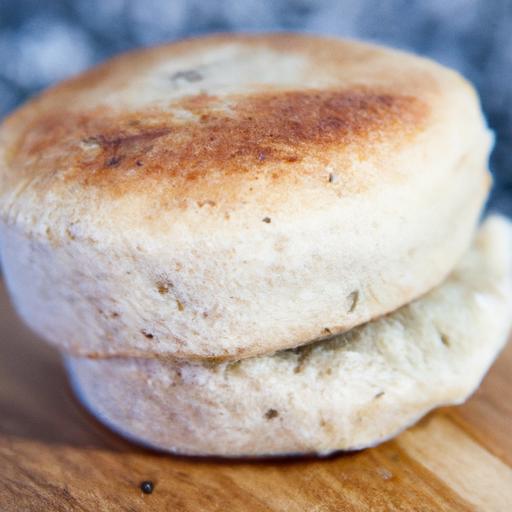

From the humble morning table to trendy café menus across the globe, English muffins have carved out a special place in the hearts (and stomachs) of food lovers everywhere. These golden, nubbly rounds-crisp on the outside, soft and tender within-carry a rich history as layered as their texture. But how did this beloved breakfast staple rise to such delightful prominence? Journey with us through time as we uncover the captivating origins, unexpected twists, and cultural journeys that shaped the English muffin into the iconic treat we savor today. Prepare to discover the story behind every buttery bite and the charming tradition baked into each crumb.
English muffins have long delighted breakfast tables with their soft, porous interiors and perfectly crisped exteriors. Originating from traditional British baking practices, these charming rounds evolved from rustic griddle cakes into beloved morning staples across the globe. their humble beginnings are steeped in English culinary heritage, where early bakers crafted them carefully over open flames, resulting in a delightfully airy texture that’s unlike any other bread. Crafting the perfect English muffin at home allows you to connect with this rich history while infusing your kitchen with the irresistible aroma of fresh yeast and toasted crumbs.
Prep and Cook Time
Planning: 30 minutes (plus 1 ½ hours rising)
Cooking: 20 minutes
Yield
8 English muffins
difficulty Level
Medium - ideal for those agreeable with yeast doughs
Ingredients
- 2 ½ cups all-purpose flour, sifted
- 1 cup warm milk (about 110°F/43°C)
- 2 ¼ teaspoons active dry yeast (1 packet)
- 1 tablespoon granulated sugar
- 1 teaspoon salt
- 2 tablespoons unsalted butter, melted
- ½ cup fine cornmeal, for dusting
- Butter or oil for greasing the pan
Instructions
- Activate the yeast: In a small bowl, combine the warm milk, sugar, and yeast. Stir gently and let it sit for 5-10 minutes untill frothy and bubbly, indicating the yeast is alive and ready.
- Mix the dough: In a large bowl, combine the sifted flour and salt. Gradually pour in the yeast mixture and melted butter. Stir with a wooden spoon until a shaggy dough forms.
- knead the dough: Turn the dough onto a lightly floured surface and knead for 8-10 minutes. The dough should be smooth, elastic, and slightly tacky but not sticky. add small amounts of flour if necessary.
- First rise: Lightly oil a clean bowl and place the dough inside. Cover with a damp cloth or plastic wrap, and let the dough rise in a warm spot for about 1 hour, or until doubled in size.
- Shape and rest: Gently punch down the dough and roll it out to roughly ¾-inch thickness. Using a 3-inch round cutter, cut out circles and place each onto a baking sheet dusted liberally with cornmeal. Sprinkle the tops with cornmeal and cover loosely with a towel. Let rest for 30 minutes to puff up.
- cook the muffins: Heat a lightly greased heavy skillet or griddle over medium-low heat. Place 3-4 muffins at a time onto the pan, cooking for 6-7 minutes per side until golden brown and cooked through. Adjust heat as needed to avoid burning.
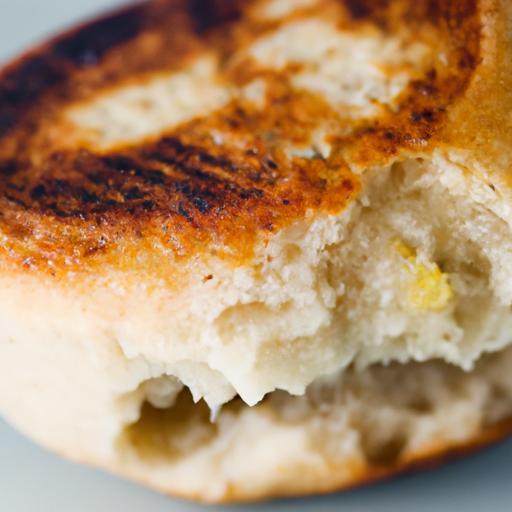
- Cool and split: Transfer to a wire rack to cool slightly. When ready to serve,split each muffin using a fork or a sharp serrated knife to reveal the classic nooks and crannies.
Chef’s Notes: Tips for Success
- Yeast activation: Ensure milk is warm, not hot – too much heat kills the yeast.
- Resting time: The second rise improves texture and helps develop those signature air pockets.
- Cornmeal coating: This not only prevents sticking but adds delightful texture and a subtle crunch.
- Cooking heat: Cook low and slow to achieve an even golden crust without burning the exterior before the inside cooks.
- Make-ahead: English muffins freeze beautifully. Fully cool, then store in an airtight bag for up to 3 months.
- Variations: Incorporate herbs or spices into the dough for unique twists-such as, rosemary and cracked pepper add savory depth.
- Splitting technique: Use a fork and gently pry apart to maintain texture and showcase the nooks and crannies.
Serving Suggestions: Sweet and Savory Pairings
English muffins are a versatile canvas perfect for a spectrum of toppings. For a sweet touch, spread generous pats of creamy butter followed by luscious jam, honey, or fresh fruit preserves. Add a sprinkle of cinnamon sugar for a warm, comforting flavor. For a savory experience,layer with sliced avocado,smoked salmon,and a dollop of crème fraîche,or stack with sharp cheddar and a fried egg for a hearty brunch. Worcestershire-glazed mushrooms and melted cheese evoke an earthy, satisfying bite, while classic eggs Benedict with hollandaise sauce transform them into brunch royalty. Garnish with fresh herbs like chives or parsley for vibrant color and fresh aroma.
| Nutrient | Per Muffin |
|---|---|
| Calories | 150 kcal |
| Protein | 5 g |
| Carbohydrates | 26 g |
| Fat | 3.5 g |

For further inspiration on bread baking techniques, explore our Artisan Bread Recipes. For a deep dive into the cultural history of english baking,visit the British Museum’s food History Collection.
Q&A
Q&A: The Delightful Rise and History of English Muffins Uncovered
Q1: What exactly is an English muffin, and how does it differ from a regular muffin?
A: Despite sharing a name, English muffins are quiet different from the sweet, cake-like muffins most people imagine. An English muffin is a small, round, flat yeast-leavened bread, typically sliced horizontally, toasted, and served with butter or jam.Unlike regular muffins, which are baked in a batter form and frequently enough sweet, English muffins have a chewy texture, a slightly tangy flavor from natural fermentation, and a signature nooks-and-crannies interior perfect for trapping melted butter.Q2: Where did English muffins originate, and why are they called “English”?
A: English muffins trace their roots back to England in the early 18th century, where they were simply known as “muffins” or “crumpets,” similar in appearance. The term “English muffin” took hold primarily in America to distinguish these hearth-baked breads from the sweeter,batter-based muffins gaining popularity stateside.Their origin highlights the transatlantic migration of food culture, with English muffins arriving in America and developing their own flavorful identity.Q3: How did english muffins become popular in America?
A: The rise of English muffins in America is closely linked to Samuel Bath Thomas, an English immigrant who started baking these muffins in New York City in the late 19th century.Thomas’s meticulous recipe and innovative distribution helped popularize the muffins nationwide. His brand, still famous today, launched English muffins from humble bakery beginnings into breakfast tables across the country, eventually making them a staple for toasters and brunch menus alike.Q4: What makes the inside of an English muffin so special?
A: The delightfully porous interior of an English muffin, often called “nooks and crannies,” isn’t just charming-it’s functional. This texture comes from a slow yeast fermentation and unique cooking process that involves cooking the muffins on a griddle rather than baking them in an oven. The griddle cooking creates a crusty exterior while the dough steams and bubbles on the inside,forming pockets that perfectly hold butter and jam when toasted.
Q5: Can you enjoy English muffins beyond just breakfast?
A: Absolutely! While a classic buttered and toasted English muffin pairs beautifully with coffee in the morning,these versatile breads play well throughout the day. Use them as a base for eggs benedict, mini sandwiches, or even gourmet burgers. Their sturdy yet tender texture makes them ideal for both sweet and savory toppings, inviting culinary creativity beyond traditional breakfast fare.
Q6: What cultural influence have English muffins had over time?
A: English muffins embody the fusion of British baking traditions with American innovation. Their evolution mirrors broader food trends-embracing convenience, versatility, and flavor depth. Over time, they’ve become an emblematic breakfast item, reflecting a shared culinary history and evolving tastes. Today, they symbolize comfort and simplicity, enjoyed by millions worldwide as a timeless cornerstone of morning routines.
Q7: Any fun facts or myths about English muffins?
A: Here’s a tasty tidbit: many people assume English muffins are baked, but the authentic method involves griddle-cooking each side slowly, a secret to their unique texture. Also, there’s an amusing myth that you should never slice English muffins with a regular bread knife-to preserve their texture, some recommend using a fork to split them along their natural seam. While not strictly necessary, this old kitchen lore adds to the muffin’s charming mystique!
This Q&A unwraps the story and sensory joy behind English muffins, inviting readers to appreciate not just a breakfast staple, but a delicious slice of culinary history.
To Wrap It Up
From humble beginnings in the bustling taverns of medieval England to their beloved place on breakfast tables worldwide, English muffins have quietly risen through history-both literally and figuratively. Their warm, nooks-and-crannies texture and subtle tang speak to centuries of tradition and craftsmanship, inviting us to savor more than just a simple bread product. As we bite into that toasted, buttery slice, we’re not just enjoying a breakfast staple; we’re tasting a story-a delightful saga of cultural exchange, innovation, and enduring appeal. So next time you lift an English muffin to your lips, remember: you’re partaking in a rich history that continues to rise with every generation.