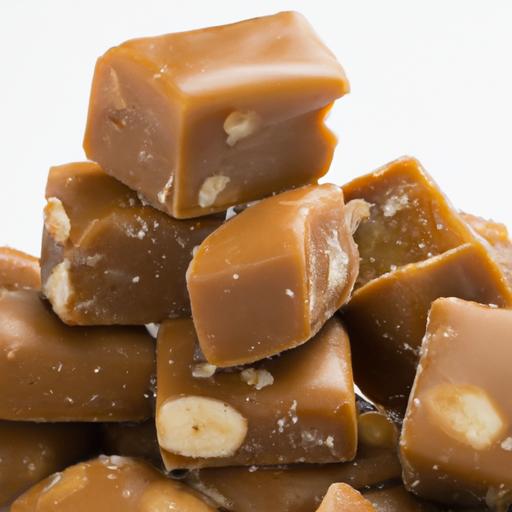

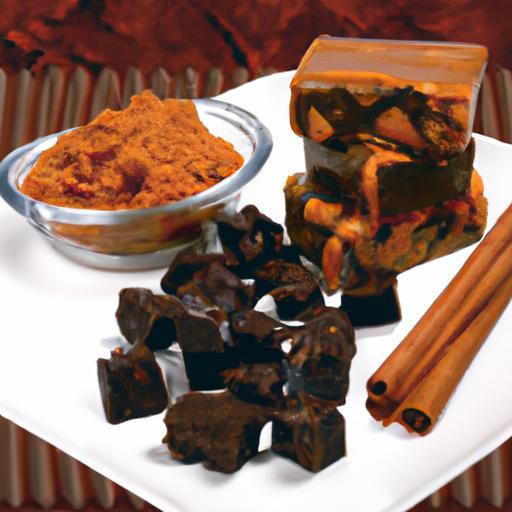
ThereS something undeniably magical about toffee-the way simple ingredients like butter,sugar,and cream transform under the right heat and timing into a glossy,golden treat that shatters delightfully with every bite. Yet, mastering the art of toffee can feel like chasing a sweet, elusive secret. Whether you’re a curious beginner or a seasoned dessert enthusiast looking to perfect your craft, this step-by-step recipe guide will illuminate the path to toffee mastery. From understanding the science behind sugar caramelization to tips on achieving that flawless snap and buttery richness, prepare to embark on a tasty journey that turns your kitchen into a miniature confectionery. Let’s unwrap the secrets of sumptuous, homemade toffee-one golden, crackling piece at a time.
Mastering the art of toffee begins with selecting the finest ingredients, embracing precise temperature techniques, and honing your stirring methods to create that coveted buttery crunch and luxuriously smooth texture. Toffee’s timeless appeal lies in its perfect balance of sweetness and snap-a caramelized symphony that excites the palate with every bite.
Prep and Cook Time
- Preparation: 10 minutes
- Cooking: 20 minutes
- Total Time: 30 minutes
Yield
Approximately 24 pieces of toffee
Difficulty Level
Medium
Ingredients
- 1 cup unsalted butter, cut into cubes
- 1 1/4 cups granulated sugar
- 1/4 cup light corn syrup
- 1/4 teaspoon fine sea salt
- 2 teaspoons pure vanilla extract
- 1 cup chopped toasted almonds (optional)
- 1/2 cup semisweet chocolate chips (for topping)
Instructions
- Prepare your workspace: Line a 9×9 inch baking pan with parchment paper, leaving an overhang for easy removal. Lightly grease the paper to prevent sticking.
- Combine butter, sugar, corn syrup, and salt: In a heavy-bottomed saucepan, melt the butter over medium heat. Add granulated sugar, corn syrup, and salt, stirring continuously to combine.
- Master temperature control: Attach a candy thermometer to the saucepan, ensuring it’s submerged but not touching the pan’s base. Allow the mixture to reach the hard crack stage (300°F / 149°C). Stir gently and constantly to prevent scorching; this ensures the perfect crunch.
- Discard old stirring habits-embrace the stir and pour method: Once the mixture hits 290°F (just below hard crack), begin stirring more deliberately to evenly distribute heat and prevent separation. When it reaches 300°F, promptly remove from heat and stir in vanilla extract.
- Add nuts for texture: Instantly fold in chopped toasted almonds, distributing them evenly throughout the molten toffee.
- Pour and level: Pour the hot toffee into the prepared pan. Tilt gently to spread evenly, working quickly before the mixture begins to harden.
- Chocolate topping magic: Sprinkle semisweet chocolate chips evenly over the hot toffee surface. let them soften for 2 minutes, then spread into a smooth layer with an offset spatula.
- Cool completely: Allow toffee to cool at room temperature until fully set, about 2 hours. for quicker setting, refrigerate for 30 minutes.
- Chop and serve: Use a sharp knife to cut into desired-sized pieces. Store in an airtight container at room temperature.
Chef’s Notes
- Ingredient Quality: Using unsalted butter and pure vanilla extract significantly enhances flavor clarity and balance.
- Temperature Tips: A good candy thermometer is your best friend-avoid guessing.If the toffee reaches below 295°F, expect a softer chew; above 305°F risks burning or an overly brittle crunch.
- Flavor variations: Try infusing the butter with citrus zest before melting, or swap almonds with pecans or hazelnuts. For a rich twist, sprinkle sea salt flakes atop the chocolate layer for a complex sweet-salty contrast.
- Troubleshooting: If your toffee crystallizes or becomes grainy, it’s likely due to impure sugar or stirring inconsistencies. To fix, start fresh with a clean pan and precise stirring.
- Make-Ahead: Toffee keeps well for up to two weeks. Store pieces layered with parchment to prevent sticking.
Serving Suggestions
Toffee delights best when presented as bite-sized treats on a rustic wooden board or elegant glass platter. Garnish with a light dusting of edible gold leaf or a sprinkle of finely chopped nuts for visual drama. Pair with robust coffee, spiced chai, or a smooth tawny port to elevate the tasting experience. This toffee also makes a captivating homemade gift when wrapped in parchment and tied with twine.
| Nutritional Value | Per Piece (24 pcs) |
|---|---|
| Calories | 110 kcal |
| Protein | 1 g |
| Carbohydrates | 13 g |
| Fat | 7 g |

To deepen your expertise on candy-making techniques, explore our in-depth caramel sauce guide. For scientific insights on sugar stages and crystallization, the Candy Wishes blog offers an excellent resource.
Q&A
Q&A: Mastering the Art of Toffee – A Step-by-Step Recipe Guide
Q1: what makes toffee diffrent from other candies like caramel or fudge?
A1: Toffee is a delightful confection crafted by caramelizing sugar and butter until it reaches a hard-crack stage, resulting in a firm, brittle texture that shatters with a satisfying snap. Unlike soft,chewy caramels or creamy fudges,toffee boasts a rich,buttery flavor and a crisp bite,making it uniquely addictive.
Q2: What are the essential ingredients needed for perfect toffee?
A2: The beauty of toffee lies in its simplicity. You only need four basic ingredients: granulated sugar, unsalted butter, a pinch of salt, and a splash of vanilla extract for that aromatic warmth. Optional additions like chopped nuts or chocolate can elevate your toffee to gourmet status.
Q3: Why is temperature control so crucial in toffee making?
A3: Temperature is your toffee’s best friend and fiercest foe. Cooking the mixture to the hard-crack stage (about 300°F or 149°C) ensures that your toffee sets with that ideal snap. Too low, and it will be chewy; too high, and it risks burning, turning bitter. using a reliable candy thermometer is the secret weapon for mastering this stage.
Q4: How do I prevent my toffee from sticking to the pan or parchment?
A4: Greasing your pan lightly with butter or lining it with parchment paper dusted with a little flour helps your toffee release cleanly after cooling. Also, avoid stirring once the mixture begins boiling to prevent crystallization, which can cause sticking.
Q5: Can I customize my toffee with flavors or add-ins?
A5: Absolutely! Once your toffee is poured and still warm, sprinkle it with chopped nuts like almonds or pecans. Drizzling melted chocolate on top or mixing in a pinch of sea salt can transform your toffee into a gourmet treat. The possibilities are as endless as your imagination.Q6: What’s the best way to store homemade toffee?
A6: Toffee loves the cool, dry life. Store your masterpiece in an airtight container at room temperature, cutting it into pieces only when ready to enjoy. Properly stored, it can stay crisp and delicious for up to two weeks.
Q7: Any insider tips for beginners attempting toffee for the first time?
A7: Patience and precision are key. Invest in a good candy thermometer and resist the urge to rush the boiling process. Keep your workspace organized, and don’t be afraid to experiment with small batches until you find the perfect balance that sings to your taste buds.Remember, every toffee batch is a step toward candy mastery!
With thes insights, you’re well on your way to becoming a toffee artisan-ready to dazzle friends and family with golden, buttery bites of sweet perfection.Happy cooking!
The Conclusion
As you wrap up your journey through the sweet science of toffee-making, remember that mastering this timeless confection is as much about patience and precision as it is about creativity and love. With each carefully measured step and each bubble that rises, you’re not just crafting candy-you’re weaving a tapestry of flavor and tradition that delights the senses and warms the heart. So gather your ingredients, embrace the process, and soon you’ll be unwrapping golden, buttery treasures that speak of your newfound mastery. Whether shared as a gift or savored solo, your homemade toffee is sure to leave a lasting impression-proof that with the right guidance, anyone can transform simple sugar and butter into something truly magical.