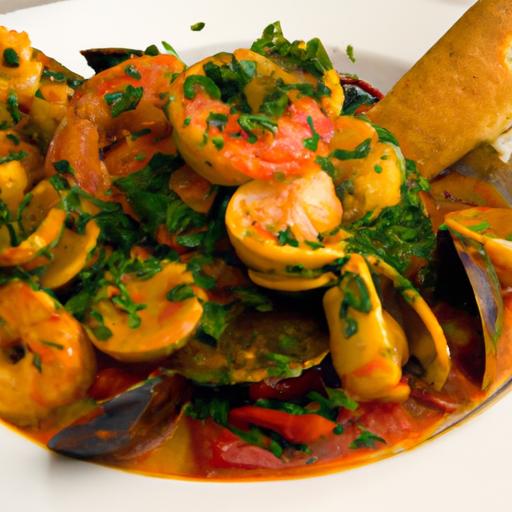

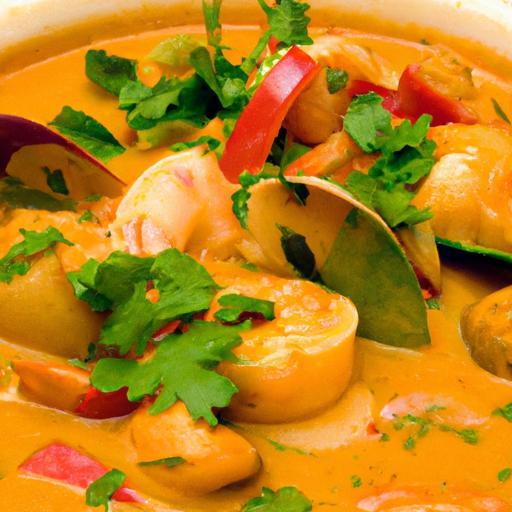
In teh vibrant tapestry of Brazilian cuisine, few dishes capture the soul of the sea as enchantingly as Moqueca. This beloved seafood stew, brimming with rich, tropical flavors adn sun-kissed ingredients, invites food lovers on a sensory voyage to Brazil’s coastal heartlands. From the aromatic whispers of cilantro and dendê oil to the tender embrace of fresh fish and shrimp, Moqueca is more than a meal-it’s a celebration of culture, history, and community simmered to perfection. Join us as we dive into the magic behind Brazil’s flavorful seafood stew, uncovering its origins, regional variations, and the secrets that make every spoonful a taste of coastal paradise.
Origins and Cultural Roots of Moqueca in Brazilian Cuisine
Moqueca Magic is a vibrant journey through Brazil’s rich coastal heritage, inviting you to savor the soulful blend of indigenous, african, and Portuguese culinary traditions.This iconic seafood stew, beloved in states like Bahia and Espírito Santo, tells a story of cultural fusion that dates back centuries.In Bahia, the dish bursts with African-inspired flavors thanks to the use of palm oil (azeite de dendê), while Espírito Santo’s version highlights a lighter touch with olive oil and annatto seeds.
The magic of moqueca lies not only in its bold yet balanced flavors but also in its communal nature, ofen served at festive gatherings and family dinners.Fishing villages along Brazil’s coast passed down treasured recipes that meld fresh seafood with fragrant herbs, ripe tomatoes, and creamy coconut milk-ingredients that symbolize the lush bounty of the tropics. Preparing moqueca is more than cooking; it’s an invitation to experience Brazil’s vibrant culinary soul.
Prep and Cook Time
- Preparation Time: 20 minutes
- Cooking Time: 40 minutes
- Total Time: 1 hour
Yield
Serves 4 generous portions
Difficulty Level
Medium – Requires some chopping and attentive simmering but rewarding for all skill levels
Key Ingredients That Bring Moqueca to Life
- 2 lbs firm white fish fillets (such as cod, snapper, or halibut), cut into large pieces
- 1 lb medium shrimp, peeled and deveined
- 4 tablespoons palm oil (azeite de dendê), or substitute extra virgin olive oil for a milder flavor
- 2 large tomatoes, chopped
- 1 large onion, thinly sliced
- 1 bell pepper (red or yellow), julienned
- 4 cloves garlic, finely minced
- 1 cup coconut milk (full fat for richness)
- 1/4 cup chopped fresh cilantro
- 2 limes, juiced
- 1 teaspoon annatto powder (optional – for color and subtle earthiness)
- Salt and freshly ground black pepper to taste
- 2 tablespoons olive oil (if not using palm oil exclusively)
- 1 fresh chili pepper (optional), sliced for gentle heat
Step-by-Step Guide to Crafting an Authentic Moqueca
- Marinate the seafood: In a bowl, toss the fish and shrimp with lime juice, salt, and pepper. Allow to rest for at least 15 minutes to infuse brightness and subtle tang.
- Sauté aromatics: Heat 2 tablespoons of palm oil (or olive oil) in a wide,heavy-bottomed pan over medium heat. Add sliced onions and bell peppers, cooking until soft and translucent, about 5 minutes. Stir in garlic and sauté gently until fragrant, another 1-2 minutes.
- Build the stew base: Add chopped tomatoes and annatto powder, stirring until tomatoes soften and release juices, about 7 minutes, forming a rich, aromatic sauce.
- Layer the flavors: Gently nestle marinated fish and shrimp into the simmering sauce, pouring coconut milk evenly over the top. Avoid stirring to keep the fish intact.
- Simmer with care: Cover and cook on low heat for 15-20 minutes. The fish should be opaque and tender, and the sauce creamy and infused with seafood juices.
- Finish with fresh herbs: Remove from heat. Sprinkle chopped cilantro and sliced chili pepper over the top. Drizzle remaining palm oil for that signature brilliant sheen.
- Rest before serving: Let the stew rest, covered, for 5 minutes – this allows all flavors to meld and intensify.
Chef’s Notes: Tips for Success
- For the freshest moqueca magic, source sustainable, firm white fish and fresh shrimp; frozen seafood can work but ensure it’s properly thawed and drained.
- Use a clay pot or a heavy-bottomed cast iron skillet to deepen flavor development and even cooking.
- To tame heat,remove seeds from chili pepper or omit entirely.
- Make-ahead tip: The stew base (onions, peppers, tomatoes) can be prepared a day ahead to save time on cooking day.
- Vegetarian option: Substitute seafood with hearts of palm, okra, and firm tofu, keeping the coconut broth base for an authentic texture and flavor.
Perfect Pairings and Serving Suggestions for Your moqueca Experience
moqueca magic truly shines when paired with traditional Brazilian staples. Serve alongside fluffy white rice to soak up the luscious broth, and a scoop of farofa (toasted cassava flour) for a contrasting crunch. Fresh lime wedges bring a zesty final touch that brightens every bite.
A crisp, herbaceous Caipirinha cocktail complements the sweetness of the seafood and the creaminess of the sauce wonderfully. For a non-alcoholic option, try sparkling water infused with a splash of passion fruit juice.
Garnish your moqueca with extra cilantro sprigs and thin rings of red chili for visual appeal and added spice. A side salad with fresh mango, avocado, and red onions elevates the vibrant, tropical experience.

| Nutritional Info per Serving | Amount |
|---|---|
| Calories | 380 kcal |
| Protein | 38 g |
| Carbohydrates | 12 g |
| Fat | 18 g |
For more inspiration on Brazilian cuisine, explore our Brazilian Coconut Rice recipe, a perfect companion to your moqueca.
Learn more about the cultural roots of moqueca from the Encyclopaedia Britannica.
Q&A
Q&A: Moqueca Magic – Exploring Brazil’s Flavorful seafood Stew
Q: What exactly is Moqueca?
A: Moqueca is a vibrant, aromatic brazilian seafood stew that celebrates the bounty of the ocean and the richness of local ingredients.It typically features fresh fish or shellfish simmered slowly in a luscious broth made from coconut milk, tomatoes, onions, garlic, cilantro, and the fragrant dendê (palm) oil, giving it a distinctive golden hue and an unforgettable flavor.
Q: Where does moqueca originate from in Brazil?
A: While Moqueca is beloved throughout Brazil, it has strong roots in the coastal states of Bahia and Espírito Santo. The two regions have their own unique takes-Bahian Moqueca is known for its bold use of dendê oil and coconut milk, infused with Afro-Brazilian influences, whereas the Espírito Santo version is lighter, often cooked without coconut milk and uses olive oil instead.Q: What makes Moqueca different from other seafood stews?
A: Moqueca’s magic lies in its marriage of colorful ingredients and slow, careful cooking that brings out layers of flavor. Unlike some seafood stews that rely heavily on spices or thickening agents, Moqueca leans on the natural sweetness of fresh seafood, the tang of lime, and the aromatic punch of herbs like cilantro. the addition of dendê oil and coconut milk creates a silky texture and an earthy, tropical depth that’s uniquely Brazilian.
Q: Can Moqueca be made with different types of seafood?
A: Absolutely! Moqueca is wonderfully versatile. Traditional recipes frequently enough use firm white fish like snapper or cod, but shrimp, crab, lobster, and even squid are popular too. some home cooks blend a medley of seafood for extra richness. The key is fresh, high-quality seafood that can stand up to the slow cooking without falling apart.
Q: Are there vegetarian or vegan versions of Moqueca?
A: Yes, creative cooks have adapted Moqueca into plant-based delights. By substituting the seafood with heart of palm, mushrooms, or tofu, and retaining the aromatic broth of coconut milk, tomatoes, and dendê oil, it’s possible to capture the essence of Moqueca while honoring vegan preferences. The stew’s bold flavors shine through regardless of protein.
Q: How is Moqueca traditionally served?
A: Moqueca is typically served piping hot, ladled over fluffy white rice that soaks up the vibrant broth perfectly.It often comes alongside farofa (toasted cassava flour), pirão (a creamy fish broth thickened with manioc flour), and fresh lime wedges for an extra burst of brightness. This ensemble turns eating Moqueca into a festive, multi-textured experience.
Q: What occasions are perfect for enjoying Moqueca?
A: Thanks to its rich flavors and communal nature, Moqueca is a dish for sharing-weather at a relaxed family lunch, a beachside gathering, or a festive celebration. It evokes the warmth of Brazilian hospitality and invites everyone to dive into a bowlful of coastal sunshine and tradition.
Q: Can Moqueca be made at home by those unfamiliar with Brazilian cuisine?
A: Definitely! While some ingredients like dendê oil might be less common outside brazil, many international markets now carry them or offer substitutes. With a bit of patience and love, home cooks can recreate Moqueca’s magic by layering fresh ingredients and simmering gently. The reward is a deeply satisfying stew that transports you straight to Brazil’s sun-soaked shores.
Moqueca is more than just a stew-it’s a celebration of Brazil’s rich cultural tapestry and the natural wealth of its coastline.whether you savor the classic Bahian version or experiment with your own twist, this soulful dish promises a taste adventure filled with warmth, color, and unforgettable aroma.
To Wrap It Up
As the final simmer settles and the vibrant aromas of Moqueca swirl in your kitchen, it’s clear that this Brazilian seafood stew is much more than just a meal-it’s a celebration of culture, history, and the bountiful flavors of the sea. From the tangy citrus notes to the creamy coconut embrace, Moqueca invites you to savor each layer, reminding us that great food tells a story. So whether you’re a seasoned chef or a curious foodie, diving into Moqueca is stepping into a rich tapestry of tradition and taste-one spoonful at a time. Let this flavorful journey inspire your next culinary adventure and bring a little bit of Brazil’s magic to your table.