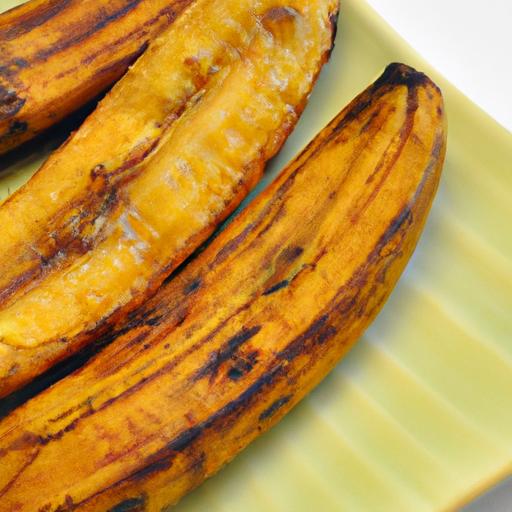

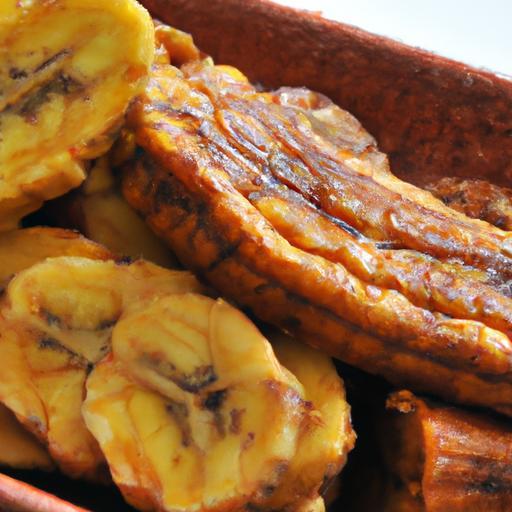
There’s something undeniably enchanting about maduros-the golden,caramelized plantains that bring a perfect harmony of sweetness and savor to every bite. Originating from Caribbean and Latin American kitchens, these delightful morsels transcend simple snacking, offering a versatile dish that can sparkle on both humble weekday tables and festive gatherings alike. Whether paired with spicy meats, creamy cheeses, or enjoyed solo, maduros captivate with their rich, complex flavor profiles and melt-in-your-mouth texture. In this article, we’ll explore the art of crafting sweet and savory maduros, diving into their cultural roots, cooking techniques, and creative serving ideas that transform this humble fruit into a true culinary treasure.
Sweet and Savory Maduros: A Flavorful Plantain Delight
Sweet and savory maduros delight with their harmonious blend of caramelized sweetness and subtle savory depth. Originating from Latin American and Caribbean kitchens, these golden fried plantains bring a naturally sweet, yet richly textured side to your table. Their unique flavor profile is a celebration of ripe plantains transformed through simple yet precise cooking techniques, yielding an irresistible combination of crisp edges and tender centers.
Choosing the Perfect Plantains for Ideal Ripeness and Texture
To achieve the distinctive sweetness and silky texture of authentic sweet and savory maduros, selecting plantains at the right stage of ripeness is essential. Look for plantains that are deeply yellow with abundant black spots or streaks on the peel-the more blackened, the sweeter and softer the plantain will be. Overripe plantains that yield slightly when pressed are perfect; they ensure caramelization while still holding enough firmness to slice easily without falling apart.
Avoid green plantains for this recipe, as they are starchy and firm, producing a vrey different, more savory dish such as tostones. For maduros, the botanical sugar in ripened plantains provides the natural sweetness that caramelizes beautifully during frying.
prep and Cook Time
- Preparation: 10 minutes
- Cooking: 15 minutes
- Total Time: 25 minutes
Yield
Serves 4 as a side dish
Difficulty Level
Easy
Ingredients
- 4 ripe plantains, yellow with black spots, peeled
- 1 cup vegetable oil or refined coconut oil, for frying
- ¼ tsp sea salt, or to taste
- ½ tsp ground cinnamon (optional, for subtle warmth)
- 1 tbsp butter (optional, for finishing richness)
Instructions
- Prepare the plantains: Using a sharp knife, slice the peeled plantains diagonally into ½-inch thick pieces for maximum surface area to caramelize.
- heat the oil: pour the vegetable oil into a large non-stick skillet over medium heat. Heat until shimmering but not smoking (about 350°F/175°C).
- Fry the plantains: Carefully place the plantain slices in batches, making sure not to overcrowd the pan. Fry until the edges turn golden brown and the centers caramelize, about 3-4 minutes per side.
- Drain and season: Use a slotted spoon to transfer the maduros to a paper towel-lined plate to remove excess oil. While still warm, sprinkle lightly with sea salt and cinnamon, gently tossing to evenly distribute.
- Optional finishing touch: For a luscious finish, melt butter in the pan after frying and briefly toss the maduros in the butter, adding a glossy sheen and subtle richness.
- Serve immediately: Enjoy these crispy, sweet and savory maduros hot for the best texture and flavor.
Tips for Success
- Ripeness check: Press the plantain peel gently – a soft touch means sweet maduros ahead. Store underripe plantains in a paper bag to speed ripening.
- Oil temperature matters: Too hot and the outsides burn before the centers cook through; too cool and maduros become oily, not crisp.Use a kitchen thermometer or test with a small piece first.
- Batch frying: Avoid overcrowding to maintain steady oil temperature and even caramelization.
- Make ahead: Fry maduros and keep warm in a low 200°F oven for up to 20 minutes, but don’t cover tightly; this preserves crispness.
- Variations: sprinkle with smoked paprika or chili powder for a smoky-sweet twist or drizzle with honey and a pinch of sea salt for an elevated dessert-like version.
Creative Serving Suggestions to Elevate Your Plantain Experiance
Sweet and savory maduros are wonderfully versatile, pairing beautifully with many dishes or stealing the spotlight on their own. For a classic approach, serve alongside succulent roasted chicken or grilled pork with a drizzle of chimichurri. Complement with avocado slices and a bright, fresh tomato salsa for contrast.
For a brunch twist, layer maduros on a plate topped with crumbled queso fresco and fresh cilantro, or fold them into soft tacos with black beans and a dollop of garlicky sour cream.
To further enhance presentation, garnish warm maduros with toasted coconut flakes or a sprinkle of finely chopped toasted nuts for texture.

| Nutrition | Per Serving |
|---|---|
| Calories | 180 kcal |
| Protein | 1.3 g |
| Carbohydrates | 27 g |
| Fat | 7 g |
For more flavorful side dishes, check out our Latin American Rice Recipes that complement maduros beautifully. For botanical details on plantains, visit Britannica’s Plantain Article.
Q&A
Q&A: Sweet and Savory Maduros – A Flavorful plantain Delight
Q1: What exactly are maduros?
A1: Maduros are ripe plantains that are typically sliced and fried until golden and caramelized. Unlike their green counterparts used to make tostones, maduros have a naturally sweet flavor that intensifies when cooked, offering a wonderful combination of softness and crispy edges.Q2: How do maduros balance sweet and savory flavors?
A2: The magic of maduros lies in their natural sugars, which create a caramel-like sweetness when fried. This sweetness pairs beautifully with a sprinkle of salt or a dash of spices, enhancing the overall flavor.You can enjoy them straight as a sweet snack or alongside savory dishes to create a delightful contrast.
Q3: What makes maduros a unique ingredient in cooking?
A3: Maduros serve as a versatile canvas-whether you want to highlight their sugary essence or mellow it with savory accompaniments. Their texture is creamy yet slightly crispy, and their flavor profile bridges the gap between dessert and side dish, making them perfect for creative culinary ventures.
Q4: How do you select the perfect plantains for maduros?
A4: Look for plantains that are deeply yellow with abundant black spots or even almost entirely black. This ripeness indicates high sugar content, crucial for the sweet, rich flavor of maduros. Avoid green or only lightly yellow plantains, as they will be too starchy and not sweet enough.
Q5: Can maduros be adapted for different cuisines?
A5: Absolutely! While traditionally found in Latin American and caribbean dishes, maduros can easily complement global flavors. Think sweet maduros topped with spicy chutneys, or savory maduros paired with tangy sauces, cheese, or even crispy bacon bits. Their adaptability makes them a delightful addition to fusion cooking.
Q6: What tips ensure perfectly cooked maduros every time?
A6: Use ripe plantains, slice them evenly, and fry in moderate heat with enough oil to ensure even cooking without burning. Pat them dry of excess oil after frying for optimal texture. Experiment with seasoning-try a pinch of cinnamon or chili powder for a different taste twist.
Q7: Are maduros healthy?
A7: Plantains are rich in fiber, potassium, and vitamins A and C. While frying adds fat, maduros can be enjoyed in moderation as part of a balanced diet.Baking or air-frying maduros offers a lighter option without sacrificing flavor.Q8: How can I incorporate maduros into my meals?
A8: Serve maduros as a side dish with grilled meats or fish, add them to salads for sweetness and texture, or layer them in sandwiches and tacos.For dessert flair, drizzle with honey or chocolate and sprinkle nuts. The possibilities are endless!
In Conclusion
Whether enjoyed as a luscious side dish,a sweet treat,or a savory snack,maduros embody the perfect harmony of caramelized sweetness and tender texture. These golden plantain delights invite us to savor the rich culinary traditions of Latin America while inspiring endless kitchen creativity. Next time you crave a dish that’s both comforting and vibrant, remember the humble maduro-proof that sometimes, the sweetest flavors come from the simplest ingredients.