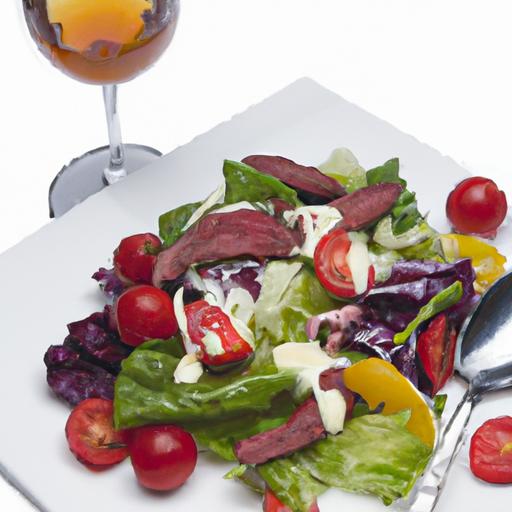

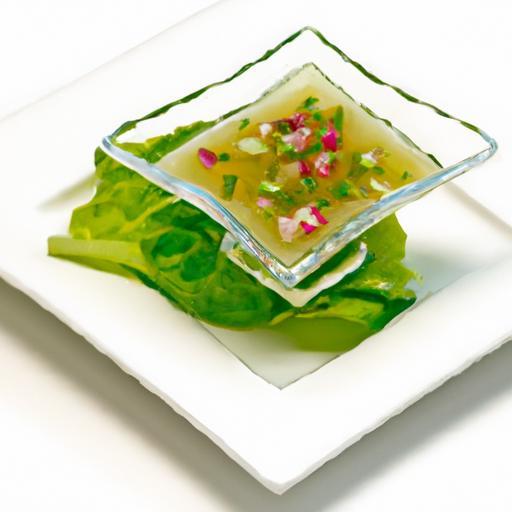
Few condiments evoke the vibrant spirit of a summer picnic or the comforting charm of a homemade salad quite like French dressing. Yet, despite its ubiquitous presence in kitchens and diners worldwide, French dressing remains a flavorful enigma-its origins murky, its recipes endlessly varied, and its uses surprisingly versatile. In this article,we embark on a tantalizing journey to unveil the story behind French dressing,exploring its rich history,distinctive flavors,and the myriad ways it can transform simple ingredients into culinary delights. Prepare to rediscover an old favorite with new eyes, and perhaps find inspiration for your next salad or sauce adventure.
French dressing has an intriguing journey that mirrors the evolution of American salad dressings rather than what one might expect from its elegant name.This vibrant, tangy, and slightly sweet emulsion has delighted palates for over a century, shifting flavors and formulas through decades to become a beloved staple on dinner tables. From its early 20th-century roots as a simple vinaigrette with a hint of paprika to the sweeter, tomato-based variants many recognize today, French dressing’s history is as colorful as its signature hue.
Prep and cook Time
- Readiness: 10 minutes
- Cook Time: 0 minutes
- Total Time: 10 minutes
Yield
approximately 1 cup (serves 6-8)
Difficulty Level
Easy – Perfect for any home cook or salad enthusiast
Ingredients
- ⅓ cup extra virgin olive oil
- 3 tbsp apple cider vinegar (or white wine vinegar for a milder tang)
- 2 tbsp ketchup or tomato puree (for that classic rosy tint)
- 1 tbsp honey or pure maple syrup
- 1 tsp Dijon mustard
- ½ tsp smoked paprika (adds depth and the historic warm undertone)
- ¼ tsp garlic powder
- Salt and freshly ground black pepper, to taste
Instructions
- Combine all ingredients: In a medium bowl, whisk together the vinegar, ketchup, honey, Dijon mustard, paprika, and garlic powder until smooth and fully blended.
- Slowly drizzle in the olive oil: While continuously whisking, pour the olive oil in a thin stream to create a silky emulsion.
- Season cautiously: Add salt and pepper, then taste and adjust according to your preference.
- Chill and meld: Transfer the dressing to a jar or airtight container and refrigerate for at least 30 minutes to allow the flavors to marry beautifully.
- Re-whisk before serving: Give it a quick shake or stir before using to restore the perfect texture.
Expert Tips for homemade French Dressing Perfection
- Use a neutral, high-quality oil for a more balanced flavor or try avocado oil for a creamy twist.
- Adjust sweetness and acidity by varying honey and vinegar; a splash of lemon juice adds fresh zestiness.
- For added depth, include a pinch of celery seed or a dash of Worcestershire sauce.
- To ensure emulsification, whisk vigorously or use a blender for a luxuriously smooth result.
- Make ahead and store in a sealed jar for up to one week; always shake well before use.
Creative Pairings and Culinary Uses for Every Meal
French dressing’s vibrant profile lends itself beautifully beyond just salads. Drizzle over crisp iceberg lettuce with sliced radishes and cucumbers for a classic crunch, or brush lightly on grilled chicken for a glossy, tangy finish. It brightens steamed vegetables, pairs surprisingly well with roasted sweet potatoes, and even acts as a zesty dipping sauce for fresh crudités or crispy fries.
try adding a tablespoon to coleslaw to bring warmth and slight sweetness or use it as a creative marinade base for shrimp skewers-your guests will be intrigued by the delightful pop of flavor.For an easy lunch, toss cooked pasta with diced tomatoes, fresh herbs, and a generous spoonful of this French dressing to make a refreshing pasta salad.
Nutritional Facts
| Nutrient | Per 2 tbsp |
|---|---|
| Calories | 110 |
| Protein | 0g |
| Carbohydrates | 4g |
| Fat | 10g |
embracing the layers of flavor that define French dressing transforms a simple salad or dish into an artful experience.Its evolution encapsulates a story told through taste – where tradition meets innovation in every vibrant,tangy bite.

Want to explore more delightful homemade dressings? Check out our Italian dressing recipe for another vibrant option. For deeper culinary history, the National Geographic’s fascinating take on salad dressings offers excellent insights.
Q&A
Q&A: Unveiling French Dressing – History, Flavors, and Uses Explained
Q1: What exactly is French dressing?
French dressing is a tantalizingly tangy and sweet vinaigrette-style salad dressing, traditionally characterized by a blend of oil, vinegar, tomato paste or ketchup, sugar, and a medley of spices. Unlike the simple French vinaigrette made with oil and vinegar, the American version known as French dressing is a creamy, orangey concoction that has carved out its own flavorful identity.
Q2: Where did French dressing originate?
Despite the name, French dressing as many Americans know it actually has roots in the United states. The original French vinaigrette-just oil and vinegar with herbs-hails from France, but the rich, sweet, tomato-based French dressing evolved in early 20th-century America as a popular, shelf-stable salad companion.
Q3: How has French dressing evolved over time?
French dressing started as a simple vinaigrette in france and underwent a appetizing change once it crossed the Atlantic. By the 1920s and ’30s, manufacturers began adding tomato paste, sugar, and paprika, producing that iconic orange-hued dressing beloved in American households. Over time, its flavor profile has been refined, balancing sweetness, zest, and creaminess for a versatile kick.
Q4: What are the key flavor notes that define French dressing?
Expect a harmonious blend of tangy vinegar, sweet tomato undertones, a hint of smokiness from paprika, and a subtle peppery bite. This combination produces a vibrant, slightly sweet dressing with a silky texture that dances on the palate.
Q5: How is French dressing best used in cooking?
French dressing shines brightest as a salad dressing, especially on crisp greens like iceberg or romaine.Its sweet and tangy profile also makes it a perfect marinade for grilled chicken or seafood.Don’t be afraid to drizzle it on sandwiches, use it as a dip for fresh veggies, or even mix it into pasta salads for a zesty twist.
Q6: Can French dressing be made at home?
Absolutely! Homemade French dressing is surprisingly simple. Start with oil and vinegar, add tomato paste or ketchup, sweeten with sugar or honey, and season with paprika, mustard, and black pepper. Whisk everything together until smooth, and voilà-a fresh, personalized version of this classic condiment.
Q7: How does French dressing differ from other popular dressings?
Unlike the simpler French vinaigrette (just oil and vinegar) or creamy ranch, French dressing boasts that unique tomato tang and sweetness. It’s less creamy than ranch but richer than plain vinaigrette, positioning itself as a lively middle ground that enlivens any salad without overpowering it.
Q8: Why is French dressing sometimes misunderstood or overlooked?
Its name suggests French origin, leading some to expect a conventional European vinaigrette. However, its American reinvention with tomato and sugar surprises many. While ranch and Caesar often steal the spotlight, French dressing offers a nostalgic taste of American culinary innovation deserving of a comeback.
Q9: What’s the best way to store French dressing?
Store it in a sealed jar or bottle in the refrigerator. Homemade versions are best enjoyed within a week for optimal freshness. Commercial versions frequently enough contain preservatives, extending their shelf life while maintaining that signature tang and sweetness.
Q10: Any tips for experimenting with French dressing flavors?
Feel free to play with the balance of sweetness and acidity-try adding a splash of orange juice or a pinch of cayenne for heat. Fresh herbs like tarragon or chives can add complexity, while swapping out white vinegar for apple cider vinegar can bring subtle fruitiness. The magic lies in personalizing it to your taste!
To Wrap It Up
As our journey through the vibrant world of French dressing comes to a close, we uncover more than just a condiment – we discover a blend of history, culture, and culinary creativity that continues to enliven salads and dishes around the globe. From its tangy origins to its versatile flavors, French dressing stands as a testament to how simple ingredients can combine to create something both timeless and endlessly adaptable. So next time you reach for that bottle, remember the story behind the bright hue and zesty taste, and let it inspire you to experiment, savor, and celebrate the delicious legacy of French dressing in your own kitchen.