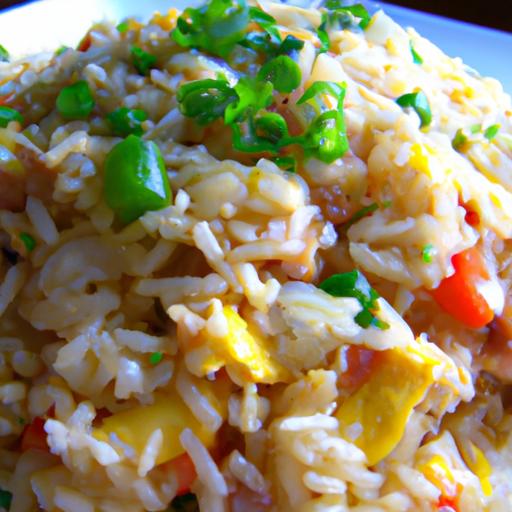

In kitchens across the world, Chinese fried rice reigns as a beloved staple-a harmonious blend of fluffy grains, savory ingredients, and vibrant aromas that dance on the palate. Yet, behind this seemingly simple dish lies a tapestry of tradition, technique, and cultural nuance that transforms ordinary rice into an remarkable culinary delight. in this article, we embark on a flavorful journey to unlock the secrets of authentic Chinese fried rice, exploring its rich history, essential ingredients, and the time-honored methods that elevate it from everyday fare to a masterpiece of balance and taste. Whether your a curious home cook or a seasoned food lover, prepare to uncover the art and soul behind every perfect spoonful.
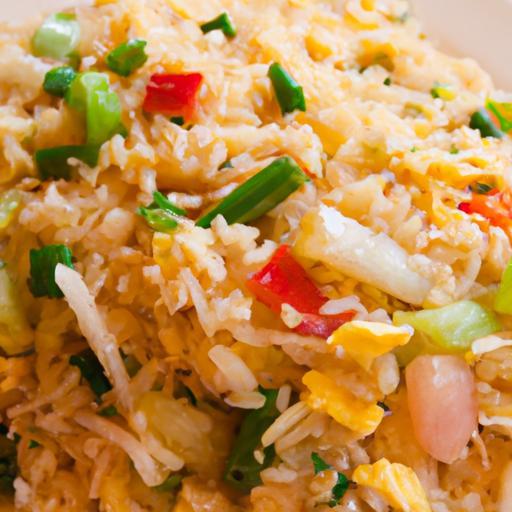
Unlocking the secrets of authentic Chinese fried rice delight begins with understanding the nuances that elevate this humble dish to culinary art.Originating from the Guangdong province, this meal channels the perfect amalgamation of fragrant rice, wok-charred flavors, and balanced textures, bringing an unforgettable experience to your palate. Once you master the subtle techniques and select the right ingredients, you’ll find yourself recreating this quintessential favorite with confident flair in your own kitchen.
Prep and cook Time
- Planning: 15 minutes
- Cooking: 10 minutes
- Total Time: 25 minutes
Yield
Serves 4 generous portions
Difficulty level
Medium – Ideal for cooks comfortable with stove-top techniques and timing management
Ingredients
- 3 cups day-old jasmine rice,chilled and loosened
- 2 tablespoons high-smoke-point oil (peanut or vegetable oil recommended)
- 3 large eggs,lightly beaten
- 4 cloves garlic,minced
- 1/2 cup diced Chinese-style BBQ pork (Char siu),or cooked shrimp
- 1/2 cup chopped green onions (white and green parts separated)
- 1/2 cup frozen peas,thawed
- 2 teaspoons light soy sauce
- 1 teaspoon dark soy sauce (for color and depth)
- 1/2 teaspoon toasted sesame oil
- Salt and white pepper to taste
Instructions
- prepare the rice: Use cold,day-old jasmine rice stored uncovered in the fridge to ensure dry,separate grains. If freshly cooked,spread rice on a baking sheet to cool and dry for at least 1 hour.
- Heat your wok: Place a well-seasoned wok over high heat and add 1 tablespoon of oil. Swirl to coat the surface. When the oil shimmers, pour in the beaten eggs and stir quickly to scramble. Remove eggs once just set and set aside.
- Sauté aromatics: Add the remaining tablespoon of oil. Stir in minced garlic and sauté until fragrant,about 15-20 seconds-do not let it burn.
- Cook proteins: Toss in diced Char Siu or shrimp, cooking just until warmed through and slightly caramelized.
- Add the rice: Increase heat to the highest setting. Break up any clumps and add the cold rice in batches if necessary. Stir-fry vigorously, tossing continuously to separate grains and absorb the flavors. Aim for that signature slightly crisp exterior.
- Season the rice: Drizzle light and dark soy sauces evenly over the rice while stirring. The dark soy adds stunning color and umami depth; avoid overdoing it to prevent overpowering.
- Incorporate vegetables and eggs: Stir in peas and the white parts of the green onions. Mix to combine, than fold in scrambled eggs carefully to maintain fluffy texture.
- Final touches: Season with white pepper and salt to taste. Add toasted sesame oil for that irresistible aroma. Remove from heat and garnish with remaining green onion tops.
- Plate and serve immediately: Serve hot straight from the wok, capturing the essence of wok hei-the breath of the wok-a smoky, charred complexity that defines true Chinese fried rice.
Tips for Success
- Rice choice matters: jasmine rice is preferred for its fragrance and texture; long-grain rice generally helps maintain separate grains essential to authentic fried rice.
- Dry rice is key: Moisture is the enemy of fluffy fried rice. Use day-old rice or cool freshly cooked rice quickly to avoid clumping.
- High heat and timing: Mastery of wok hei requires intensity-stir fast, keep everything moving to avoid steaming.
- Customize thoughtfully: Incorporate cooked diced chicken, ham, or vegetables like diced carrots and corn for variations without sacrificing authenticity.
- Make-ahead tip: Pre-chop ingredients and prepare rice a day in advance for a seamless cooking process.
- Oil selection: Peanut oil is conventional and lends a subtle, nutty flavor but substitute with vegetable or canola oil if preferred.
Serving Suggestions
Present your fried rice nestled in a shallow, wide-rimmed bowl garnished with fresh chopped green onions and a sprinkle of toasted sesame seeds. pair with classic sides such as steamed bok choy or hot and sour soup to complete the meal. For a garnish with a pop of color and texture, add thinly sliced fresh red chili or a drizzle of chili oil.
| Nutrient | Per Serving |
|---|---|
| Calories | 370 kcal |
| Protein | 14 g |
| Carbohydrates | 50 g |
| Fat | 10 g |

For further inspiration on elevating your Asian recipes, visit our ultimate guide to Chinese cooking techniques. To learn more about the science of rice selection, explore this scientific overview on rice grain composition and texture.
Q&A
Q&A: Unlocking the secrets of Authentic Chinese Fried Rice Delight
Q1: What makes Chinese fried rice different from other fried rice varieties?
A1: Authentic Chinese fried rice is all about balance-fluffy, separate grains coated lightly with savory seasonings, subtle fragrances from wok hei (the “breath of the wok”), and a harmonious blend of simple ingredients. Unlike some richer or saucier versions, Chinese fried rice emphasizes texture and freshness, highlighting each element without overpowering them.
Q2: What exactly is “wok hei,” and why is it crucial?
A2: Wok hei is the elusive “charred aroma” that only comes from cooking over a high flame in a well-seasoned wok. It’s the smoky, slightly toasted essence that adds depth and complexity to fried rice, transforming plain ingredients into a mouthwatering experience. without it, the dish tends to feel flat or ordinary.
Q3: Can I use day-old rice for best results?
A3: Absolutely! Day-old rice that’s been refrigerated is drier and less starchy than freshly cooked rice,preventing clumps and mushiness. The grains separate easily and absorb flavors better, wich is the secret to that coveted light, fluffy texture in authentic fried rice.
Q4: what are the essential ingredients for authentic Chinese fried rice?
A4: At its core, authentic fried rice uses day-old jasmine or long-grain rice, eggs, scallions, soy sauce, and some combination of protein like shrimp, char siu pork, or chicken. Vegetables like peas or carrots are common but never overcrowd the wok. The seasoning remains simple-just a dash of salt, white pepper, and a hint of sesame oil to finish.
Q5: How vital is the cooking technique?
A5: Technique is everything! The wok must be blazing hot before ingredients touch the surface. This intense heat cooks components quickly, locking in moisture while creating that magical sear. stir-frying swiftly and evenly prevents sogginess and ensures each grain is perfectly coated. Timing your additions-starting with eggs, then protein, then rice last-is key to layering flavor and texture.
Q6: Are there any secret tips professional chefs swear by?
A6: Yes-one pro tip is to lightly coat the egg mixture over the wok surface before adding rice, almost like an edible non-stick base that adds subtle richness. Another is to use a splash of Shaoxing wine or oyster sauce for umami depth. And don’t forget to keep your ingredients chopped small and uniform to cook evenly at lightning speed.
Q7: Can I recreate authentic Chinese fried rice at home without a wok?
A7: While a wok is ideal for its shape and ability to handle high heat, a heavy-bottomed skillet or cast-iron pan can work if you manage the flame carefully. The secret lies in high,quick heat and constant movement-so your pan should be hot enough to mimic the wok’s searing power. Patience and practice bring you closer to that authentic taste.
Q8: What cultural significance does fried rice hold in Chinese cuisine?
A8: Fried rice is a quintessential comfort food born from resourcefulness-transforming leftover rice and bits of food into a flavorful, satisfying meal. It symbolizes frugality,creativity,and communal sharing. Across China’s many regions,variations exist,but it always celebrates the humble grain elevated through skill and flavor,a dish both iconic and accessible.
Unlocking the secrets of authentic Chinese fried rice is more than just following a recipe-it’s embracing a culinary art form steeped in tradition, technique, and passion. Whether you’re a novice or a seasoned cook,understanding these essentials invites you to create your own fried rice masterpiece with a true taste of China’s vibrant kitchen culture.
To Conclude
As the final grains of rice settle and the fragrant aroma of wok-fired treasures lingers, we uncover that authentic Chinese fried rice is far more than a humble dish-it’s a harmonious symphony of history, technique, and cultural nuance. Unlocking its secrets reveals not only the perfect balance of flavors and textures but also a deeper appreciation for the artistry behind each stir and sizzle. Whether you’re a seasoned cook or an adventurous foodie, embracing these insights invites you to recreate a timeless culinary delight that celebrates tradition while igniting your own creative flair. So, grab your wok, gather your freshest ingredients, and embark on your very own journey to savor the true essence of Chinese fried rice-where every bite tells a story.