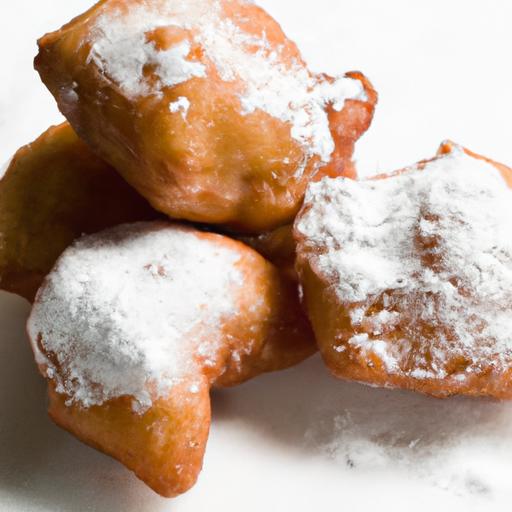

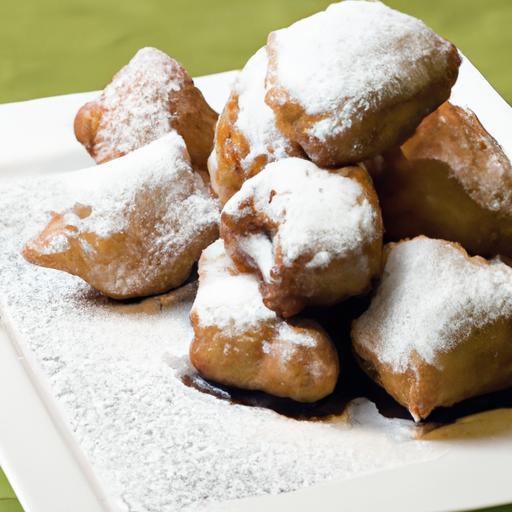
In the world of culinary delights, few treats manage to capture the imagination-and the taste buds-quite like the beignet.These pillowy, sugar-dusted pastries have become synonymous with indulgence and celebration, especially in the lively streets of New Orleans. But beyond their irresistible flavor lies a rich tapestry of history, culture, and tradition waiting to be uncovered. Join us as we unravel the sweet story behind the beignet, tracing its origins from European kitchens to its beloved place in Southern cuisine. Whether you’re a longtime fan or a curious newcomer,prepare to discover how this simple dough transformed into an iconic symbol of joy and heritage.
Beignets Uncovered: The Sweet History Behind the Treat
Beignets have long held a unique place in culinary history, weaving together French elegance and the lively soul of New Orleans. These pillowy, golden fried dough pillows offer a taste of tradition and innovation all at once. From the quaint streets of Paris to the bustling cafés of the French Quarter, the story behind this familiar yet enchanting pastry reveals layers of culture, craft, and flavor. as you embark on this tasty journey, you’ll uncover not only the origins but also the art of perfecting beignet dough, creative fillings, and where to indulge in the very best.
Prep and Cook Time
- Preparation: 20 minutes (plus 2 hours rise time)
- Cook Time: 10 minutes
- Total time: Approximately 2 hours 30 minutes
Yield
Approximately 24 medium-sized beignets (serves 6)
Difficulty Level
Medium – Requires time for dough rising and careful frying techniques
Ingredients
- 1 cup warm whole milk (110°F/45°C)
- 2 packets active dry yeast (4 1/2 teaspoons)
- 1/4 cup granulated sugar
- 2 large eggs, room temperature
- 1/2 cup unsalted butter, melted and cooled
- 4 cups all-purpose flour, sifted, plus extra for dusting
- 1 teaspoon salt
- Vegetable oil (for frying; about 4 cups)
- Powdered sugar for dusting
Instructions
- Activate the yeast: In a large bowl, combine the warm milk with the granulated sugar. Sprinkle the yeast on top and let it rest for 5-10 minutes until frothy.
- Prepare the wet mix: Beat the eggs in a separate bowl.Gradually whisk eggs and melted butter into the yeast mixture until fully combined.
- Combine the dry ingredients: In a large mixing bowl, whisk together the sifted flour and salt.
- Form the dough: Slowly pour the wet ingredients into the flour mixture, stirring with a wooden spoon or dough hook attachment until a sticky dough forms.
- Knead: Turn the dough out onto a floured surface and knead for about 8-10 minutes until soft, elastic, and slightly tacky but not sticky. Add small amounts of flour if needed.
- First rise: Place the dough in a lightly oiled bowl,cover with plastic wrap or a damp towel,and let it rise in a warm spot for 1.5 to 2 hours, or until doubled in size.
- Shape the beignets: Gently punch down the dough and roll it out on a lightly floured surface to approximately 1/4-inch thickness. Cut into 3-inch squares using a sharp knife or pizza cutter.
- Heat the oil: In a deep, heavy pot, heat vegetable oil to 360°F (182°C).Use a thermometer to maintain the temperature for even frying.
- Fry the beignets: Carefully drop 3-4 pieces of dough into the hot oil at a time. Fry for 2-3 minutes per side, flipping when golden brown, until puffed and golden.
- Drain and dust: Use a slotted spoon to transfer beignets to a wire rack over paper towels. Immediately dust generously with powdered sugar while still warm for the most irresistible finish.
Tips for Success: The Art of Perfecting Beignet Dough
- Temperature matters: Make sure the milk is warm, not hot, to activate the yeast without killing it.
- Don’t rush the rise: Allowing the dough to double properly is crucial for light, airy beignets.
- Keep oil temperature steady: If the oil is too cool, beignets absorb excessive oil and become greasy. Too hot, and they brown too quickly without cooking through.
- Light dusting or heavy love? Freshly sifted powdered sugar enhances texture and visual appeal-it should be generous!
- Make ahead: Dough can be refrigerated overnight after the first rise; bring to room temperature before rolling out.
Classic and Contemporary Beignet Fillings
While the traditional beignet shines on its own with a cloud of powdered sugar, stuffing these delights offers a creative flair that captivates the palate. Classic options like cream cheese with fruit preserves or chocolate ganache add richness. For a contemporary twist, try fillings such as lemon curd, spiced pumpkin mousse, or even a savory option like smoked gouda and caramelized onion. To fill, simply slit the cooled beignet and pipe fillings using a pastry bag for a neat, professional touch.
Where to Savor the Best Beignets
Experiencing beignets in New Orleans offers a vibrant taste of history and community spirit. Iconic spots like Café du Monde remain a pilgrimage site for powdered sugar enthusiasts worldwide.For lesser-known gems, check out local favorites like Morning Call or Bywater Bakery, where artisan bakers add their unique touch. Each café serves beignets slightly differently, reflecting New orleans’ dynamic food culture and French heritage.
Serving Suggestions
- Serve warm, dusted with a heavy blanket of powdered sugar for that classic look and light sweetness.
- Pair with a cup of rich, chicory-infused coffee or café au lait to cut through the sweetness.
- For a festive touch, garnish with fresh berries, a drizzle of berry coulis, or a sprinkle of cinnamon sugar.
- Consider plating with a side of dipping sauces such as chocolate, caramel, or raspberry sauce for added decadence.
Nutritional Details (per 4 beignets)
| Calories | Protein | Carbohydrates | Fat |
|---|---|---|---|
| 320 kcal | 6g | 45g | 12g |

Explore the rich story and rich flavors locked inside every bite of these classic treats, and let your kitchen become a gateway to a centuries-old tradition.
For further inspiration on French pastries, visit France.fr’s official page on French desserts.
Q&A
Q&A: Beignets Uncovered – The Sweet History Behind the Treat
Q: what exactly is a beignet?
A: At its core, a beignet is a pillow of golden-fried dough, often dusted generously with powdered sugar. This French-inspired delicacy is cherished for its light, airy texture and sweet, comforting flavor-a little bite of heaven that melts in your mouth.
Q: Where did beignets originate?
A: The journey of the beignet begins in France, where the term “beignet” simply means “a fritter.” French cooks crafted these fried pastries centuries ago, but the treat as we know it today truly found its soul in New Orleans. there, the French settlers blended tradition with local flair, turning beignets into an emblematic taste of Louisiana.
Q: How did beignets become synonymous with New Orleans?
A: when French colonists settled in Louisiana in the 18th century, they brought their recipes along. New Orleans,with its rich melting pot of French,African,Caribbean,and Creole cultures,transformed the humble beignet into a street-side staple. Coffee shops like Café du Monde popularized the treat, serving it fresh and hot with a mound of powdered sugar-an irresistible pairing that became a city’s signature.
Q: Are beignets similar to doughnuts?
A: While they share a kinship-both are fried dough delights-beignets are distinct. Unlike ring-shaped doughnuts, beignets are typically square or rectangular pieces of dough, fried until puffy and golden. Their texture leans more towards airy and chewy, rather than cakey or doughy, setting them apart in the world of sweet confections.
Q: What cultural importance do beignets hold?
A: Beyond their taste, beignets symbolize New Orleans’ vibrant heritage and joie de vivre-the joy of living. They are often enjoyed at lively gatherings, jazz-filled mornings, or as a sweet end to a Creole feast. Through centuries of cultural fusion, beignets have become a delicious testament to the city’s resilience and celebration of life.
Q: How have beignets evolved over time?
A: While the classic powdered sugar-covered beignet remains the star, modern twists abound. Some bakers experiment with fillings like chocolate, fruit jams, or cream cheese, while others drizzle sauces or add unique spices to the dough. Yet, whether traditional or inventive, every beignet carries a taste of history and sweetness.
Q: Why do beignets continue to captivate food lovers today?
A: Perhaps it’s their simple magic-a fusion of comfort, culture, and nostalgia in every bite.Beignets invite us to pause, savor, and connect with a timeless tradition. In a fast-paced world, they remind us that the sweetest stories are often those told through food.
The Way Forward
From the bustling streets of New Orleans to the cozy corners of cafés worldwide, beignets have spun a tale as rich and layered as their powdered-sugar-dusted surface. More than just a sweet treat, they are a delicious bridge connecting cultures, histories, and stories across centuries. So, the next time you bite into a warm, fluffy beignet, remember-you’re not just savoring a pastry, but a piece of history that has been lovingly fried, shared, and celebrated through generations. Sweet, simple, and timeless, beignets continue to invite us all to pause, indulge, and uncover the stories behind every delectable bite.