
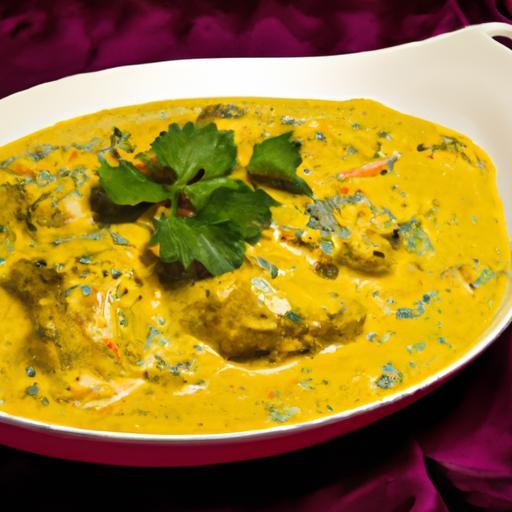
Nestled within the rich tapestry of Indian cuisine, Chicken Korma stands out as a culinary masterpiece that delicately balances creaminess with a symphony of spices. this dish invites food lovers on a sensory journey-each bite unveiling layers of fragrant cardamom, toasted nuts, and subtly sweet yogurt, all harmonizing in a velvety sauce.More than just a meal, Chicken Korma is a story of tradition and innovation, where royal Mughal heritage meets everyday home cooking. Join us as we explore the origins, techniques, and vibrant flavors that make Chicken Korma a beloved classic in Indian kitchens around the world.
Chicken Korma: A Creamy Journey into Indian Flavors
Chicken Korma is a luscious, velvety dish that wraps tender chicken pieces in a fragrant embrace of aromatic spices and creamy dairy. Originating from the royal kitchens of the Mughal Empire, this dish reflects centuries of cultural fusion-where Persian richness met Indian heat. I still remember the first time I tasted authentic Chicken Korma in Delhi; its delicate balance of warmth and creaminess inspired me to recreate that magic at home, making it a cherished recipe in my kitchen.
Prep and Cook Time
- Readiness: 20 minutes
- Cooking: 40 minutes
- Total Time: 1 hour
Yield
Serves 4 generous portions
Difficulty Level
Medium – ideal for cooks familiar with layering spices but approachable with clear step-by-step guidance
Ingredients
- 1.5 lbs (700g) boneless chicken thighs,cut into 1.5-inch pieces
- 1 large onion, finely thin sliced
- 3 tbsp ghee or vegetable oil
- 1 cup plain yogurt, whisked
- 1/4 cup heavy cream
- 2 tbsp almond flour (or finely ground blanched almonds)
- 1 tbsp ginger-garlic paste
- 1 tsp turmeric powder
- 1 tsp coriander powder
- 1/2 tsp cumin powder
- 1 tsp garam masala
- 3 green cardamom pods, lightly crushed
- 4 cloves
- 1 small cinnamon stick
- 1/2 tsp crushed saffron threads (optional but adds a royal aroma)
- 2 tbsp chopped fresh cilantro (coriander leaves)
- Salt to taste
- 1/4 cup warm water
Instructions
- Toast the whole spices: In a dry skillet over medium heat, toast cardamom pods, cloves, and cinnamon until fragrant (about 2 minutes). Remove and set aside.
- Caramelize the onions: Heat ghee in a heavy-bottom pot. Add the sliced onions and sauté on low heat until golden brown and soft, about 15 minutes. Stir occasionally to prevent burning.
- Add ginger-garlic paste: Stir in the paste and cook for 2 minutes until aromatic.
- Build the spice base: Stir in turmeric, coriander, and cumin powder, along with the toasted whole spices. Cook for 1 minute to awaken the flavors.
- Incorporate chicken: Add pieces of chicken, stirring to coat in the spice mixture. Sear for 5-7 minutes, turning occasionally until slightly browned.
- Blend yogurt and almond flour: whisk the yogurt with almond flour and a pinch of salt to prevent curdling. Gradually stir this mixture into the pot with the chicken, combining well.
- Add saffron (if using): Soak saffron threads in a tablespoon of warm water, then add to the curry for subtle depth and hue.
- Simmer: Reduce heat to low, cover, and let the korma cook gently for 25-30 minutes until the chicken is tender and the sauce thickens. Stir occasionally to avoid sticking.
- Finish with cream and garam masala: Stir in the heavy cream and sprinkle garam masala over the curry. Cook uncovered for another 5 minutes to meld the flavors.
- Garnish and serve: Sprinkle fresh cilantro on top before serving to add a radiant, herbal note.
Tips for Success
- Choosing quality Chicken: Opt for fresh, boneless chicken thighs for the most tender results-breast meat tends to dry out in slow cooking.
- Fresh Spices Matter: Whole spices toasted just before use offer unmatched fragrance. Pre-ground spices should be fresh within six months.
- Yogurt Handling: use thick, plain yogurt at room temperature and add it slowly to prevent curdling for a smooth creaminess.
- Make Ahead: Korma tastes even better the next day as the spices mature. Reheat gently on a low flame with a splash of water or cream.
- Variations: Substitute almonds with cashew flour for a slightly different nutty profile, or try paneer in place of chicken for a vegetarian twist.
Serving Suggestions
serve your homemade Chicken Korma alongside fragrant basmati rice or warm, buttery naan bread.Garnish with a sprinkle of toasted sliced almonds and freshly chopped cilantro for texture and color contrast. A side of cooling cucumber raita or a tangy mango chutney perfectly complements the creamy, spiced sauce, providing layers of flavor for a celebratory meal.

| Nutrient | Per Serving |
|---|---|
| Calories | 450 kcal |
| Protein | 38 g |
| Carbohydrates | 12 g |
| Fat | 28 g |
For more insights on balancing spices in Indian cooking, check out our detailed Guide to Indian Spices.To deepen your understanding of the Mughal influence on Indian cuisine, visit britannica’s Mughal Empire overview.
Q&A
Q&A: Chicken Korma – A Creamy Journey into Indian Flavors
Q1: What exactly is Chicken Korma?
A1: chicken Korma is a rich, creamy curry hailing from the royal kitchens of India. it’s a symphony of tender chicken pieces slow-cooked in a luscious gravy made from yogurt, cream, nuts, and a fragrant blend of spices. The result is a mildly spiced dish that radiates warmth and indulgence with every bite.
Q2: How did Chicken Korma originate?
A2: The origins of chicken Korma trace back to the Mughal era, where emperors favored dishes that were both luxurious and subtle in flavor. Influenced by Persian culinary traditions, korma became a beloved dish in royal courts, celebrated for its delicate balance of aromatic spices and creamy texture.
Q3: What makes Chicken Korma different from other Indian curries?
A3: Unlike fiery, tomato-based curries, Chicken Korma’s hallmark is its mellow richness. The use of yogurt, cream, and ground nuts – like almonds or cashews – creates a smooth and velvety sauce. Its gentle spice palette revolves around warming aromatics such as cardamom, cinnamon, and cloves, making it approachable and comforting for all palates.
Q4: Can Chicken Korma be adapted for dietary preferences?
A4: Absolutely! while traditionally made with chicken, korma’s creamy base is incredibly versatile. vegetarians often substitute with paneer or mixed vegetables, while those seeking lighter options can swap cream for coconut milk. The essence of korma – its luscious texture and aromatic spices – remains intact with these tweaks.
Q5: What are some essential spices and ingredients in Chicken Korma?
A5: Key players include green cardamom pods, cinnamon sticks, cloves, coriander powder, and turmeric. These interlace with ground nuts, garlic, ginger, and sometimes rose water or saffron to evoke a delicate floral note. The careful layering of these ingredients transforms simple chicken into an opulent feast.
Q6: How can one perfect the creamy texture of Chicken Korma at home?
A6: The secret lies in patience and technique: slow-cooking the chicken to absorb all flavor nuances, grinding nuts to a fine paste for that silky consistency, and gently tempering spices to avoid overpowering bitterness. Lastly, incorporating yogurt or cream gradually ensures your korma remains smooth rather than curdling.
Q7: What dishes or sides pair well with Chicken Korma?
A7: Chicken Korma’s creamy richness pairs beautifully with fragrant basmati rice or buttery naan bread. To balance the indulgence, a side of lightly spiced vegetable sabzi or a crisp cucumber raita offers refreshing contrast. Together, they create a harmonized meal, celebrating the lush tapestry of Indian cuisine.
Q8: Why has Chicken Korma remained a timeless favorite in Indian cuisine?
A8: Its enduring appeal lies in its comforting opulence and refined simplicity. Chicken Korma bridges the gap between lavish royal fare and everyday family dinners. Its ability to delight diverse tastebuds-whether for festive occasions or cozy nights-makes it a treasured dish that continues to invite us on a creamy journey into India’s rich culinary heritage.
To Wrap It Up
As the rich aromas of cardamom, cinnamon, and roasted spices linger in the air, Chicken Korma invites us to savor more than just a meal-it offers a passage into the heart of Indian culinary tradition. This creamy, fragrant dish is a testament to the harmony of flavors and the artful balance that define Indian cuisine. Whether you’re a seasoned foodie or a curious newcomer, embracing Chicken Korma is embarking on a delicious journey where every bite tells a story of heritage, warmth, and the timeless joy of comfort food. So next time you crave somthing both indulgent and exotic, let Chicken Korma be your guide to a truly unforgettable taste adventure.