
Behind the tangy, creamy allure of Russian dressing lies a story as rich and layered as its flavor. More than just a sandwich spread or salad topper, Russian dressing carries wiht it a tapestry of culinary history and cultural twists that have shaped its identity across kitchens worldwide. In this article, we embark on a flavorful journey to unveil the origins of Russian dressing, tracing its unexpected roots and uncovering the secret ingredients that give it that unmistakable zing. Whether you’re a devoted fan or a curious foodie, join us as we decode the past and savor the essence of this classic condiment.
Russian dressing has long charmed taste buds far beyond the confines of its original sandwich pairing, lending a uniquely tangy, creamy, and slightly piquant flavor to countless dishes. Tracing its roots from early 20th-century American adaptations of Eastern European ingredients, Russian dressing has evolved into a versatile condiment celebrated for its harmonious balance of sweet, spicy, and savory notes.
Origins and Evolution of Russian Dressing Through the Decades
Although its name suggests a direct link to Russia, Russian dressing’s true origins lie in early 1900s American culinary creativity. Initially, the dressing combined mayonnaise with a mix of ketchup and horseradish, inspired by the robust flavors of Russian cuisine and preserved vegetable condiments. Over the decades, ingredients like chili sauce and paprika were introduced, refining the balance of heat and sweetness. Its fame skyrocketed through the iconic Reuben sandwich, but home cooks and chefs have since adopted it well beyond deli classics, continuously adapting the formula to regional tastes and seasonal ingredients.
Key Ingredients that Define the Unique Flavor Profile
The true magic of Russian dressing lies in the interplay of a few essential ingredients. At its heart are mayonnaise and ketchup, which provide a creamy yet tangy base with a hint of tomato sweetness. The bite of freshly grated horseradish or a splash of sharp prepared horseradish introduces a fiery edge, while Worcestershire sauce and vinegar contribute deep umami and acidity to brighten the flavor. Mild heat and smokiness from paprika perfectly rounds out the dressing without overwhelming the palate. Some variations also include finely diced sweet or dill pickles, adding texture and a subtle brininess.
Culinary Uses Beyond the Classic reuben Sandwich
While most widely celebrated as the essential complement to a Reuben,the creamy zest of Russian dressing invites experimentation. Use it as a dip for crispy vegetable sticks or crunchy fries to elevate simple snacks. Spread a layer on burgers or grilled chicken sandwiches for a tangy, piquant twist. It beautifully dresses crisp greens mixed with robust lettuce or sharp radicchio, especially when paired with grilled seafood or roasted root vegetables.Additionally, Russian dressing can be transformed into a zesty marinade or a quick salad dressing when thinned with a little buttermilk or lemon juice, proving its multi-faceted charm.
Tips for Crafting Your Own signature Russian Dressing at Home
Making Russian dressing from scratch allows you to control the depth of flavor and customize it exactly to your taste. Start with a smooth,high-quality mayonnaise base for creaminess,then add ketchup or tomato paste to introduce sweetness and color. Grate fresh horseradish and taste as you go, since it can easily overpower if added in excess. Balance heat with paprika and a splash of Worcestershire sauce for complexity.
Experiment with adding diced pickles or even a teaspoon of Dijon mustard to lend acidity and texture. Remember to chill your dressing for at least an hour before serving; the flavors meld and intensify beautifully. Store in a sealed container in the fridge for up to one week-freshness is key to preserving its bright, zesty character.
Prep and Cook Time
- prep Time: 10 minutes
- Cook Time: 0 minutes
- Total Time: 10 minutes
Yield
- About 1 cup (8 servings)
Difficulty Level
- Easy
Ingredients
- 3/4 cup mayonnaise (full fat for best richness)
- 2 tbsp ketchup (or tomato paste for a thicker texture)
- 1 tbsp prepared horseradish (adjust to taste)
- 1 tsp Worcestershire sauce
- 1 tsp white vinegar (apple cider vinegar works well too)
- 1/2 tsp smoked paprika
- 1/2 tsp sugar (optional,for sweetness balance)
- 2 tbsp finely diced dill pickles (optional for texture and tang)
- Salt and freshly ground black pepper,to taste
Instructions
- Combine the base: In a medium mixing bowl,whisk together mayonnaise and ketchup until smooth and uniform in color.
- Add horseradish, Worcestershire sauce, and vinegar: Stir these in gradually, tasting after each addition to achieve the desired pungency and acidity.
- Season with paprika and sugar: Sprinkle the smoked paprika evenly, and add sugar if you prefer a sweeter profile. Whisk to meld flavors.
- Incorporate diced pickles: Fold in the finely chopped dill pickles for a hint of brine and delightful crunch.This step is optional but highly recommended.
- Adjust seasoning: Add salt and freshly ground black pepper to taste. Remember that pickles add saltiness, so season slowly.
- Chill: Cover the dressing tightly and refrigerate for at least 1 hour to allow the flavors to fully develop.
- Serve cold: Use immediately or store in an airtight container in the fridge for up to 7 days.
Chef’s Notes
- Variation: For a spicier touch,incorporate a dash of cayenne pepper,hot sauce,or substitute horseradish with wasabi for an unexpected twist.
- Dairy option: Stir in a tablespoon of sour cream or Greek yogurt for added tang and creaminess.
- Make-ahead: Russian dressing tastes best after at least one hour in the fridge but can be made up to 5 days in advance.
- Pickle substitute: sweet relish or finely chopped cornichons also work well to introduce texture and mild acidity.
- Texture tip: Use a microplane for grating fresh horseradish to avoid large chunks and ensure a smooth blend.
Serving Suggestions
Brush thick slices of rye bread with melted butter, toast crisp, then layer with corned beef, sauerkraut, Swiss cheese, and a generous slather of this Russian dressing for a classic Reuben. Alternatively, dollop the dressing atop grilled chicken wraps or drizzle over roasted vegetable grain bowls for an instant flavor upgrade.Garnish plates with sprigs of fresh dill or parsley, and accompany with fresh lemon wedges to brighten the experiance.

| Nutrient | per 2 Tbsp Serving |
|---|---|
| Calories | 90 kcal |
| Protein | 0.3 g |
| Carbohydrates | 2.5 g |
| fat | 9 g |
For an in-depth exploration of sandwich sauces and variations, explore our comprehensive sandwich spreads guide. to understand the historical context further, visit The Food Timeline, a high-authority source on culinary developments.
Q&A
Q&A: Unveiling Russian dressing – History and Flavor Secrets
Q1: What exactly is Russian dressing?
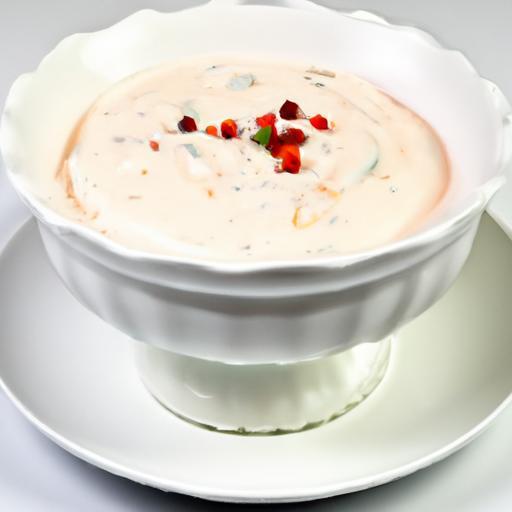
A: Russian dressing is a creamy, tangy condiment traditionally made from a blend of mayonnaise, ketchup, horseradish, and a medley of spices. Its vibrant pinkish hue and zesty flavor make it a versatile sauce that adds a spicy-sweet kick to sandwiches, salads, and more.
Q2: Why is it called “Russian” dressing? Does it actually come from Russia?
A: surprisingly, no! Despite the name, Russian dressing is not from Russia. It likely originated in the United States in the early 20th century.The “Russian” twist likely refers to the inclusion of ingredients like paprika and horseradish, evoking a flavor profile that Americans associated with Eastern Europe at the time.
Q3: How did Russian dressing gain popularity?
A: the dressing surged in popularity during the early to mid-1900s, becoming a staple in American delis and kitchens. It was used to elevate classic sandwiches like the Reuben (which more commonly uses thousand Island) and was prized for its ability to balance creamy, tangy, and spicy notes in one luscious concoction.
Q4: how is Russian dressing different from Thousand Island dressing?
A: Both share a similar pink hue and creamy base, but Russian dressing frequently enough leans spicier, incorporating horseradish and sometimes Worcestershire sauce for a bolder kick.Thousand Island tends to be sweeter and chunkier, often including chopped pickles and hard-boiled eggs.
Q5: What are the key flavor secrets that make Russian dressing special?
A: the magic lies in its balance of heat and sweetness. the horseradish adds a sharp, peppery warmth; ketchup brings sweetness and color; mayonnaise offers creaminess and a smooth mouthfeel; and a few dashes of worcestershire or hot sauce heighten complexity. Spices like paprika contribute subtle smokiness.
Q6: Can Russian dressing be made at home?
A: Absolutely! Making Russian dressing at home is simple and rewarding. Mix mayonnaise, ketchup, prepared horseradish, a splash of vinegar or lemon juice, a pinch of paprika, worcestershire sauce, salt, and fresh ground black pepper. Adjust to taste for your preferred level of tang and heat.Q7: Besides sandwiches, how else can Russian dressing be used?
A: Get creative! Russian dressing can elevate a simple salad, act as a zesty dip for crudités, replace customary burger sauces for an extra flavor punch, or even serve as a flavorful marinade base.Its unique balance makes it surprisingly versatile.
Q8: Has Russian dressing evolved over time?
A: Like many classic condiments, Russian dressing has seen variations and reinventions. Some modern recipes lighten it with yogurt or sour cream, while others incorporate hot sauce or relish. Despite tweaks, the heart of Russian dressing remains its bold, creamy, and tangy character.
Whether adding nostalgic charm to a classic Reuben or giving a new twist to your favorite salads, Russian dressing invites you to savor a piece of culinary history-one flavorful spoonful at a time.
To Wrap It Up
From its mysterious origins to the tangy zest that continues to enliven our plates, Russian dressing is more than just a condiment-it’s a flavorful journey through culinary history. By unraveling its blend of creamy textures and piquant spices, we glimpse the artistry behind every dollop. Whether drizzled over a classic Reuben or kissed onto a crisp salad, Russian dressing invites us to savor a legacy of taste that transcends borders and time. So next time you reach for that bottle, remember: you’re not just adding flavor-you’re indulging in a story waiting to be tasted.