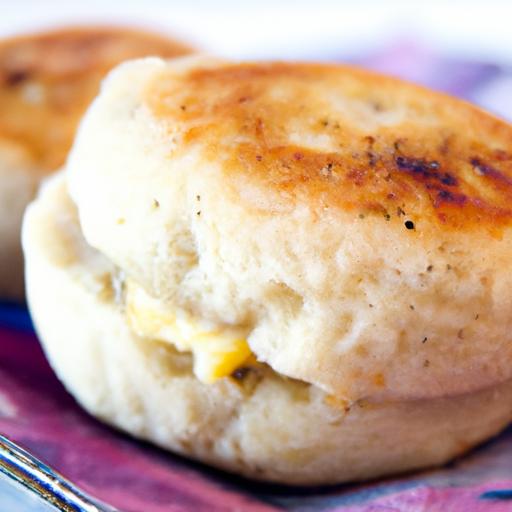

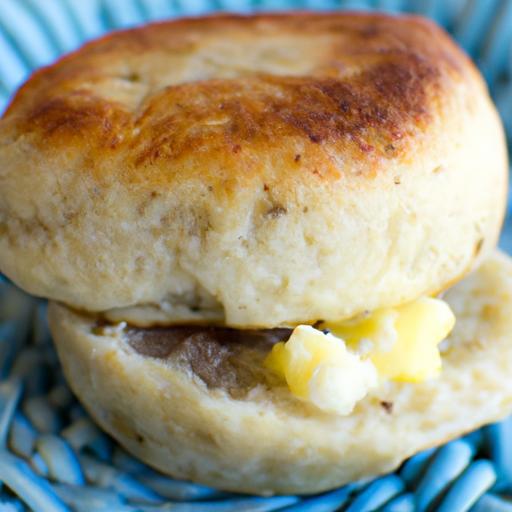
There’s a quiet magic in the humble English muffin-a golden, nubby little bread that has risen from its modest origins to become a breakfast staple savored around the globe. But what is it that makes these circular delights so irresistibly unique? Behind thier signature nooks and crannies lies a story of tradition, craft, and a carefully guarded recipe perfected over centuries. In this article, we embark on a flavorful journey, unraveling the rise of the perfect English muffin and unveiling the secrets that transform simple ingredients into a warm, airy masterpiece. Whether you’re a curious kitchen beginner or a seasoned baker, prepare to discover how history and technique come together to create the quintessential English muffin experience.
Perfect English muffins are a beloved breakfast staple, cherished for their light, fluffy interiors and delightfully crisp, golden exteriors. The Rise and Recipe of Perfect English Muffins Unveiled takes you on a sensory journey-starting from the modest beginnings of this iconic bread in 10th-century england to the contemporary kitchens where modern techniques elevate it into an irresistible treat. Whether toasted with melting butter or layered with savory toppings, mastering these muffins brings bakery-level magic right to your home.
prep and Cook Time
- Preparation: 20 minutes
- Proofing: 1 hour 30 minutes
- Cooking: 15 minutes
- Total Time: Approximately 2 hours
Yield
8 English muffins (about 3.5 inches in diameter each)
Difficulty Level
Medium – Requires attention to proofing and griddle cooking techniques
Ingredients
- 2 1/4 teaspoons (1 packet) active dry yeast
- 1 cup warm milk (approximately 110°F / 43°C)
- 2 tablespoons granulated sugar
- 3 tablespoons unsalted butter,melted and cooled
- 1 large egg,lightly beaten
- 3 cups all-purpose flour,sifted
- 1 teaspoon kosher salt
- Semolina or cornmeal,for dusting and coating
Instructions
- Activate the yeast: In a small bowl,combine the warm milk with sugar and yeast. Let it sit for 5-7 minutes or until foamy-this signals that the yeast is alive and ready.
- Create the dough: In a large mixing bowl, whisk together the flour and salt. pour in the yeast mixture, melted butter, and beaten egg. Stir with a wooden spoon or dough hook until a shaggy dough forms.
- Knead until smooth: Turn the dough onto a lightly floured surface and knead for 8-10 minutes until it becomes elastic and slightly tacky but not sticky. Alternatively, use a stand mixer with a dough hook on medium speed.
- First proof: Place the dough in a greased bowl, cover with a damp towel, and let it rise in a warm spot until doubled in size-about 1 hour.
- Shape the muffins: Gently deflate the dough and roll it out to about 3/4-inch thickness on a semolina- or cornmeal-dusted surface. Using a 3.5-inch round cutter, stamp out circles and transfer them to a baking sheet sprinkled generously with semolina or cornmeal. Dust the tops as well to prevent sticking and add texture.
- Second proof: Cover the rounds loosely with plastic wrap or a clean kitchen towel and let them rise for another 30-40 minutes until puffy.
- Cook the muffins: Heat a heavy-bottomed skillet or griddle over medium-low heat. Place the muffins in the skillet, cooking for about 7 minutes per side. Flip when the bottoms turn golden brown, ensuring the muffins cook through but remain moist inside. Avoid excessive heat to prevent burning the crust.
- Cool and split: Transfer cooked muffins to a wire rack to cool slightly before using a fork to gently split them along their characteristic nooks and crannies, ready toasting or topping.
Tips for Success
- Maintain the right temperature: Too hot or cold milk can kill or slow the yeast, so a thermometer is your best friend.
- Use semolina or cornmeal: This not only prevents sticking but also creates that authentic crunch and texture underfoot of each muffin.
- patience is key: Allow full rising times to achieve optimum fluffiness and air pockets, which give English muffins their iconic structure.
- Perfect your heat control: Medium-low heat gently cooks muffins through without burning their crust-adjust as needed depending on your stovetop.
- Make ahead: Muffins freeze beautifully. Store fully cooled muffins in an airtight bag and toast directly from frozen.
- Troubleshooting: If muffins are dense, try kneading a few more minutes or ensuring proper yeast activation. If too dry,consider adding a tablespoon of milk during dough formation.
Serving Suggestions
Slice your English muffins in half with a fork to reveal their signature craggy surface,perfect for catching melted butter,tangy preserves,or creamy cream cheese. Elevate breakfast by topping with avocado and a poached egg, or for a savory touch, layer with smoked salmon and capers. For a classic treat,spread honey butter and sprinkle with cinnamon sugar. Garnish plates with fresh herbs like chives or mint to add a pop of color and freshness.

| Nutrient | Per Muffin |
|---|---|
| Calories | 150 kcal |
| Protein | 5 g |
| Carbohydrates | 28 g |
| Fat | 3.5 g |
For those intrigued by bread baking techniques, explore our Ultimate sourdough Guide to deepen your artisanal skills. To understand yeast behavior in detail, the Encyclopaedia Britannica article on yeast offers comprehensive insights.
Q&A
Q&A: The Rise and Recipe of Perfect English Muffins Unveiled
Q1: What exactly sets english muffins apart from other types of bread?
A1: English muffins are unique little treasures in the bread world – they’re round, flat, and boast a distinctive nubby texture. Unlike loaves or rolls, they’re cooked gently on a griddle rather than baked directly in an oven, which gives them their signature golden crust and tender, open crumb peppered with delightful nooks and crannies. These pockets are perfect for holding melted butter or jam,elevating the breakfast experience to a new dimension.
Q2: How did English muffins rise to become a beloved breakfast staple?
A2: Originating in Victorian England, English muffins were initially handmade and sold by street vendors. Their portability and simple, comforting flavor quickly won over busy families.The rise of the industrial revolution and better milling techniques allowed mass production, spreading their popularity worldwide. Today, English muffins grace global breakfast tables, symbolizing a perfect blend of tradition and convenience.
Q3: What is the secret behind the perfect rise and texture of an English muffin?
A3: The magic lies in a delicate dance between yeast fermentation and gentle cooking. Yeast creates that essential airiness, while a slow proofing period allows flavor to deepen. Cooking the muffins on a griddle rather than baking traps moisture,ensuring the interior remains soft and spongy.Turning them carefully yields evenly browned tops and bottoms, a hallmark of a perfectly risen English muffin.
Q4: Can you share the key ingredients for making authentic English muffins at home?
A4: Certainly! Simplicity is key: you’ll need all-purpose flour, warm milk, a bit of sugar to feed the yeast, active dry yeast itself, a pinch of salt, and a touch of butter or oil for richness. Some recipes call for a bit of cornmeal to dust the griddle or muffin rings for shape. The true charm is in letting the dough rest and rise patiently before the griddle works its magic.
Q5: Are there any tricks or tips that help novices achieve muffin perfection?
A5: Absolutely! Keep your milk warm – around 100°F (38°C) – to awaken the yeast without killing it.Let the dough rise until it doubles; rushing this step can lead to dense muffins. Use a heavy skillet or cast iron griddle heated moderately to prevent burning. If you prefer those signature nooks and crannies, split the muffin with a fork rather than slicing with a knife. This rough tear reveals all the tender pockets to catch your favorite spreads.
Q6: How has the English muffin evolved in modern cuisine?
A6: While the classic English muffin remains beloved, chefs and bakers have embraced its versatility. Today, you’ll find whole wheat, multigrain, gluten-free varieties, and even flavored options infused with cinnamon, herbs, or cheese. Beyond breakfast, English muffins double as mini burger buns or savory snack bases, proving their timeless adaptability.Q7: Why do English muffins continue to captivate bread lovers worldwide?
A7: It’s the perfect interplay of texture, taste, and tradition. English muffins strike a comforting balance – crispy outside, tender inside – while their humble origins and simple ingredients connect us to centuries of baking heritage. Whether slathered with butter, jam, or savory toppings, they invite creativity and ritual, keeping their place in hearts and kitchens around the globe.
This Q&A unpacks the enchanting rise and recipe secrets of English muffins, blending ancient insight with practical guidance to inspire your next homemade batch.
In Retrospect
as the aroma of freshly toasted English muffins fills kitchens around the world, it’s clear that these humble circles of dough have risen far beyond their origins. From centuries-old griddles to modern breakfast tables, the journey of the perfect English muffin is a testament to culinary tradition and innovation intertwined. With a crisp exterior that gives way to a tender, honeycombed interior, their timeless appeal lies not just in flavor, but in the artful balance of texture and technique. Whether you’re a seasoned baker or a curious novice, mastering the recipe behind these golden rounds invites you to partake in a flavorful legacy-one bite at a time. So next time you slice open that lightly toasted muffin, savor the story baked within, and perhaps, add your own chapter to the rise of this beloved breakfast icon.