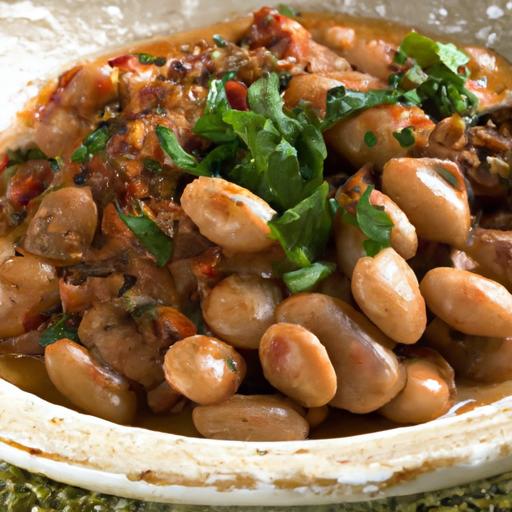

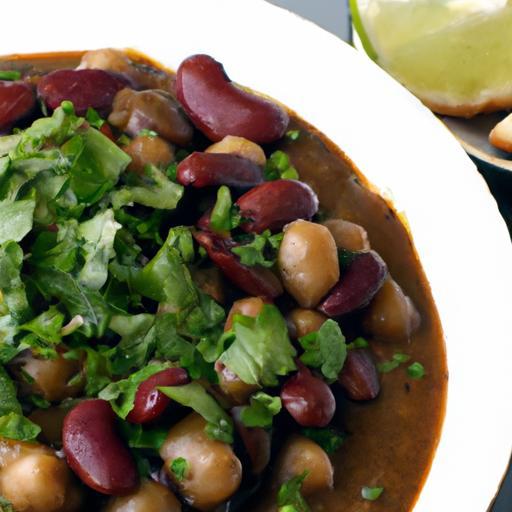
In the bustling streets of Cairo and the quiet corners of Egyptian villages alike, a humble dish has simmered through centuries, weaving together stories of culture, community, and culinary artistry. Ful Medames,a fragrant stew of slow-cooked fava beans,is far more than just a breakfast staple-it is indeed a flavorful emblem of Egypt’s rich heritage and enduring traditions. From its ancient origins to its place on contemporary tables, Ful Medames invites us to savor not only its hearty taste but also the vibrant tapestry of history and flavor that defines this beloved Egyptian classic. Join us as we explore how this simple yet soulful dish continues to unite generations and tantalize palates across the nation.
Historical Roots and Signature Ingredients of Ful Medames
ful Medames: Egypt’s Flavorful Blend of Tradition and Taste
has been a beloved staple of Egyptian cuisine for millennia.This humble yet hearty dish, centered on slow-cooked fava beans, traces its origins back to ancient times when it nourished farmers and pharaohs alike. Passed down through generations, Ful Medames embodies a rich cultural legacy, embodying both sustenance and celebration in Egyptian homes. Its prominence during breakfast, but also at family gatherings and festive occasions, showcases how food can unify heritage and daily life. The blend of fava beans, fragrant olive oil, fresh garlic, and luminous lemon juice creates a unique balance that’s as comforting as it is vibrant, making Ful Medames a definitive culinary experience for those seeking authentic Egyptian flavors.
Prep and cook time
- Readiness: 10 minutes
- Cooking: 2 to 3 hours (or 45 minutes in a pressure cooker)
Yield
Serves 4 generous portions
Difficulty Level
Easy – beginner-amiable,with slow cooking that requires minimal hands-on time.
Ingredients
- 2 cups dried fava beans (soaked overnight in water)
- 6 cups water
- 4 cloves garlic, minced
- 1/3 cup extra-virgin olive oil
- 2 tablespoons fresh lemon juice
- 1 teaspoon ground cumin
- Salt to taste
- Fresh parsley, finely chopped for garnish
- 1 medium tomato (optional, diced for topping)
- 1 small red onion, finely chopped (optional)
Instructions
- drain and rinse the soaked fava beans thoroughly under cold water.
- In a large heavy-bottomed pot, combine the fava beans and 6 cups of fresh water. Bring to a gentle boil, then reduce heat to a low simmer.
- Simmer uncovered for 2 to 3 hours, stirring occasionally until beans become tender and silky. Add more water if needed to keep beans just covered during cooking.
- Once the fava beans are soft, use a slotted spoon to transfer about half to a bowl, mash slightly with a fork or potato masher to achieve a creamy texture.
- return the mashed beans back to the pot. Add minced garlic, ground cumin, salt, lemon juice, and half of the olive oil. Stir well to combine over low heat for 5 more minutes to marry flavors.
- Remove from heat and transfer to a serving dish, making a shallow well in the center.
- Drizzle remaining olive oil over the top and garnish liberally with fresh parsley, diced tomato, and red onion. Serve warm with pita bread.
Tips for Success
- Soaking yoru fava beans overnight is crucial for tender results and reduced cooking time.
- For a quicker version, use a pressure cooker to cut cooking time to about 45 minutes. Just ensure beans are tender but not falling apart entirely.
- Adjust garlic and lemon to your taste-this is where the dish’s vibrant character really shines.
- Leftover ful medames can be refrigerated up to three days; reheat gently with a splash of water or olive oil to restore creaminess.
- For added richness, top servings with a boiled egg or crumbled feta cheese.
serving Suggestions: Pairing Ful Medames Like a True Egyptian
Authentic enjoyment of this classic dish comes with conventional Egyptian sides and beverages. Serve Ful Medames with warm, soft pita bread or baladi flatbreads to scoop up the luscious beans. Complement the meal with crisp, fresh vegetables like sliced cucumbers and radishes or a tangy pickled vegetable salad known as torshi.No Egyptian breakfast is complete without a glass of karkade (hibiscus tea) – its tartness creates a refreshing balance to the earthy beans. Alternatively, a cup of strong, unsweetened mint tea or freshly squeezed sugarcane juice pairs beautifully with the dish’s warmth and texture.
Nutritional Facts
| Nutrient | Amount per Serving |
|---|---|
| Calories | 280 |
| Protein | 18g |
| Carbohydrates | 35g |
| Fat | 10g |

For more on Egyptian culinary traditions and other classic recipes, explore our Egyptian cuisine collection.
Q&A
Q&A: Ful Medames – Egypt’s Flavorful Blend of Tradition and Taste
Q1: What exactly is ful Medames?
A1: Ful Medames is a beloved Egyptian dish made primarily from slow-cooked fava beans. Often enjoyed as a hearty breakfast or a comforting meal any time of day, it’s a simple food with roots stretching back thousands of years-truly a living taste of Egypt’s culinary heritage.
Q2: How is Ful Medames traditionally prepared?
A2: Traditionally, dried fava beans are soaked overnight and then simmered gently for hours until tender and creamy. The beans are mashed slightly and served warm, typically garnished with olive oil, lemon juice, garlic, chopped parsley, and sometimes cumin. This humble preparation transforms basic ingredients into a nourishing, soul-satisfying dish.
Q3: Why is Ful Medames so critically important in Egyptian culture?
A3: Ful Medames is more than just a dish-it’s a cultural emblem. For centuries, it’s been Egypt’s staple breakfast, sustaining farmers, laborers, and families alike. Sharing ful at a crowded street-side stall or a cozy home table epitomizes community and hospitality, anchoring people to their traditions and each other.
Q4: Are there regional or modern variations of Ful Medames?
A4: Absolutely! While the foundational recipe remains consistent, variations abound across Egypt and the Middle East. Some add tahini for creaminess, others sprinkle spicy chili or fresh tomatoes.In Egypt’s bustling cities, chefs may elevate ful with eggs, pickled vegetables, or freshly baked baladi bread. Each variation reflects a creative dialog between tradition and contemporary taste.
Q5: What makes Ful Medames both flavorful and nutritious?
A5: Ful Medames combines the earthiness of fava beans with tangy lemons, fragrant garlic, and grassy olive oil, creating a vibrant mosaic of flavors. Nutritionally, it’s a powerhouse-rich in protein, fiber, iron, and complex carbs.This balance of taste and health is a reason it remains a beloved staple across generations.
Q6: How can someone outside Egypt enjoy authentic Ful Medames at home?
A6: To recreate ful’s magic, start with dried fava beans if you can find them, or canned as a shortcut. Patience is key-slow cooking to develop creamy texture and flavor makes all the difference. Don’t shy away from generous olive oil, fresh lemon, and bold garlic-these simple seasonings make the dish sing. Serve with warm pita or rustic bread to scoop every last bite.
Q7: In a nutshell, why dose Ful Medames continue to captivate food lovers around the world?
A7: Ful Medames captivates because it’s a delicious narrative of history, culture, and simplicity perfected over millennia. Each bowl whispers stories of Egyptian streets, family breakfasts, and timeless traditions, inviting us all to savor not just food, but a heartfelt connection to people and place. It’s a dish that nourishes body and soul alike.
The Way Forward
As the sun sets over the Nile and the aroma of simmering fava beans fills the air, Ful Medames stands as more than just a dish-it is a living testament to Egypt’s rich culinary heritage. This humble blend of taste and tradition invites food lovers to savor history in every bite, reminding us that sometimes, the most flavorful journeys are rooted in the simplest ingredients. Whether enjoyed at a bustling Cairo café or prepared quietly at home, Ful Medames continues to connect generations, celebrating the delicious harmony of culture and flavor that defines Egypt.