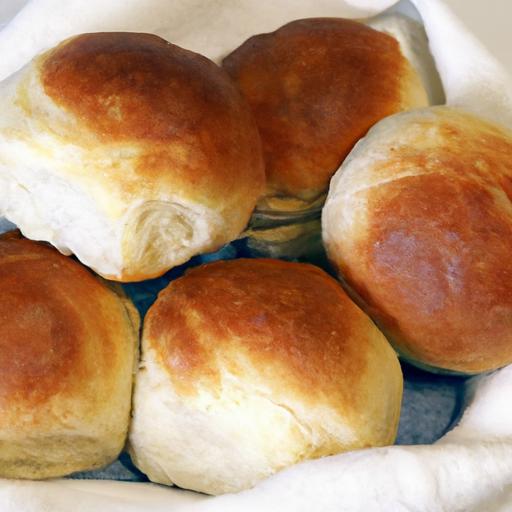

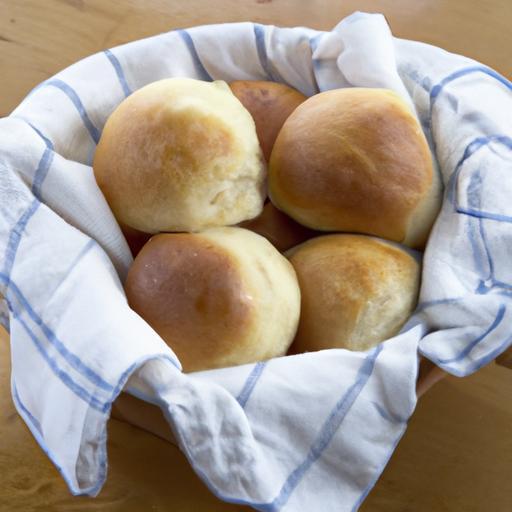
There’s something undeniably magical about a warm, fluffy dinner roll-its golden crust giving way to a pillowy softness that melts in your mouth, inviting you to savor every bite. The art of crafting the perfect dinner roll is a delicate dance of simple ingredients and precise technique, where yeast, flour, and patience come together to create breads that elevate any meal from ordinary to extraordinary. Whether served alongside a holiday feast, a comforting stew, or a fresh salad, these rolls are more than just a side dish-they’re a testament to the timeless joy of homemade baking. In this article, we’ll explore the secrets behind achieving that ideal balance of airy texture and rich flavor, guiding you step-by-step toward mastering the fluffy breads everyone loves to savor.
The Art of Perfect Dinner Rolls: Fluffy Breads to Savor begins with selecting the finest ingredients to create that coveted soft, pillowy texture that melts in your mouth. From rich butter to just the right flour blend,every component contributes to the ultimate indulgence in homemade bread. This journey into softness and flavor embraces the transformative magic of kneading and the patient science of proofing, culminating in golden-hued rolls that are not only lovely but irresistibly tender.
Prep and Cook Time
- Preparation: 20 minutes
- First proof: 1 hour
- Shaping and second proof: 45 minutes
- baking: 18-22 minutes
- Total time: Approximately 3 hours (including resting)
Yield
Makes 12 medium-sized dinner rolls, perfect for a family meal or a small gathering.
Difficulty Level
Medium – approachable for excited bakers ready to elevate their bread-making skills.
Ingredients
- 3 ½ cups all-purpose flour, sifted
- 2 tablespoons granulated sugar
- 1 packet (2 ¼ teaspoons) active dry yeast
- 1 cup whole milk, warmed to 110°F (43°C)
- 4 tablespoons unsalted butter, melted + extra for brushing
- 1 large egg, room temperature
- 1 teaspoon salt
- Optional: 1 teaspoon vanilla extract for a hint of warmth
Instructions
- Activate the yeast: in a small bowl, combine warm milk and sugar. Sprinkle the yeast on top and gently stir to dissolve. Let sit for 5-7 minutes until the mixture bubbles and froths, indicating the yeast is alive.
- Mix dry ingredients: In a large mixing bowl, whisk together the sifted flour and salt ensuring even distribution.
- Combine wet and dry: Create a well in the flour mixture, pour in the yeast mixture, melted butter, egg, and optional vanilla extract. Using a wooden spoon or stand mixer with a dough hook, mix until a shaggy dough forms.
- Knead to perfection: Transfer dough to a lightly floured surface. Knead with the heels of your hands, folding the dough repeatedly for 8-10 minutes until smooth, elastic, and slightly tacky to touch. This vital step develops gluten for fluffy rolls.
- First proof: Butter a large bowl,place dough inside,and cover with a damp kitchen towel or plastic wrap. Let rise in a warm, draft-free spot for about 1 hour or until doubled in size.
- Shape the rolls: Punch down the risen dough gently to release air. Divide into 12 equal pieces (about 60g each). Shape each piece into a smooth ball by tucking edges underneath and rolling on the counter with your palm.
- Second proof: Place shaped dough balls onto a buttered or parchment-lined baking sheet or into a greased baking dish. Leave some space between rolls. Cover loosely with plastic wrap and let rise again for 40-45 minutes until puffy and nearly doubled.
- Bake to golden perfection: Preheat oven to 375°F (190°C). Brush tops lightly with melted butter for shine and softness.Bake for 18-22 minutes or until the rolls are golden brown and sound hollow when tapped.
- Finish and serve: Remove rolls from oven and promptly brush with more melted butter to lock in moisture and add irresistible aroma. Transfer to a wire rack to cool slightly before serving.
Chef’s Notes
- Flour choice: For an even softer crumb, try replacing ½ cup of all-purpose flour with bread flour for extra gluten strength.
- Butter enrichment: For a richer taste, substitute half the butter with an equal amount of cream cheese.
- Proofing environment: If your kitchen is cool,proof the dough inside an oven warmed to 90°F (just turned off) with a bowl of hot water for steady rising.
- Make-ahead tip: After shaping, freeze the rolls on a tray.Once firm, store in a freezer bag. Thaw overnight in the fridge, then proof and bake fresh.
- Troubleshooting: If rolls turn out dense, kneading may have been insufficient or yeast expired. Always confirm yeast freshness by proofing in warm milk first.
Serving Suggestions
These soft dinner rolls shine best when served warm.Pair them with melted butter and a sprinkle of flaky sea salt or fresh herbs like rosemary or thyme for an earthy twist. For a decadent spread, accompany with whipped honey butter or creamy garlic herb cheese. Complement your rolls alongside hearty soups, roasted meats, or as sliders with your favorite fillings. Garnish with a light dusting of coarse sea salt or poppy seeds for visual appeal and subtle texture pops.

| nutrient | Per Roll (approx.) |
|---|---|
| Calories | 150 kcal |
| Protein | 4 g |
| Carbohydrates | 22 g |
| Fat | 5 g |
For more inspiration on bakery staples,check out our Fluffy Bread Recipes,and learn why high-quality flour makes all the difference in texture and flavor.
Q&A
Q&A: the Art of Perfect Dinner Rolls – Fluffy Breads to Savor
Q1: What makes a dinner roll truly perfect?
Answer: The perfect dinner roll strikes a harmonious balance between a golden, tender crust and an irresistibly fluffy, cloud-like interior.It shoudl be soft yet resilient, providing a gentle pull-apart texture that melts in your mouth. Achieving this requires not just the right ingredients but also mindful techniques during kneading, proofing, and baking.
Q2: Which ingredients are the secret heroes behind fluffy dinner rolls?
Answer: Beyond the classic flour, yeast, sugar, and salt, the magic often lies in enriching the dough with butter, milk, and sometimes eggs. Butter adds richness and tenderness, milk contributes to a softer crumb and a lightly browned crust, while eggs enhance softness and provide structure. Don’t underestimate the power of a touch of sugar-it feeds the yeast and adds subtle sweetness.
Q3: How important is the kneading process?
Answer: Kneading is the dance that awakens gluten strands, giving the dough elasticity and strength. Proper kneading ensures rolls that rise beautifully and hold their shape. Under-kneaded dough can be dense and crumbly; over-kneaded dough becomes tough. Gentle,rhythmic kneading for about 8-10 minutes usually does the trick,or using a stand mixer with a dough hook until the dough is smooth and springy.
Q4: Can rising times affect the texture of dinner rolls?
Answer: Absolutely. The first rise (bulk fermentation) allows yeast to develop flavor and gases that create the airy crumb. A slow,cool rise enhances complexity,while a rapid,warm rise speeds up the process but may sacrifice depth. The second rise, after shaping, is equally crucial-it gives the dough a final puff before baking. Patience during proofing is frequently enough rewarded with tender, fluffy rolls.
Q5: Are there any tips to get that shiny, golden crust?
Answer: Brushing rolls with melted butter or an egg wash right before or immediately after baking enhances color and shine. Milk or cream washes can yield a softer crust, while eggs give a glossy, slightly firmer finish. Baking in a well-preheated oven with steam-achieved by placing a pan of water or spraying water inside-helps develop a delicate crust that isn’t too hard.
Q6: How can I make my dinner rolls more flavorful without compromising fluffiness?
Answer: Infusing your dough with herbs like rosemary or thyme, adding grated cheese, roasted garlic, or even a hint of honey can elevate the flavor profile.Just be mindful not to overload the dough, as excessive add-ins can weigh down the rolls and inhibit their rise. Incorporate flavors gently, folding them in during the kneading stage for an even distribution.Q7: Is it possible to make perfect dinner rolls without dairy or eggs?
Answer: Yes! Dairy-free and egg-free rolls can still be wonderfully fluffy by replacing milk with plant-based alternatives like almond or oat milk and swapping eggs with flaxseed or chia seed gels. Using oil or vegan butter instead of dairy butter can maintain moisture and softness,proving that great rolls are achievable for all dietary preferences.
Q8: how should perfect dinner rolls be stored to maintain their freshness?
Answer: Once cooled, store rolls in an airtight container or a resealable plastic bag to lock in moisture. For short-term, room temperature storage works fine (up to 2 days). For longer preservation, freeze them wrapped tightly; when ready to eat, a quick reheat in the oven will restore their tender warmth and texture.
mastering the art of dinner rolls means combining science and soul-each batch an opportunity to savor the simple joy of homemade bread, fluffy and warm, straight from your oven. Happy baking!
In Summary
As the warm, golden glow of freshly baked dinner rolls fills your kitchen, you realize that mastering this art is more than just following a recipe-it’s about embracing patience, practice, and a pinch of passion. These fluffy breads are not merely side dishes; they are the comforting companions to your meals, inviting you to savor every bite and share moments around the table. So, whether you’re a novice baker or a seasoned pro, remember that the perfect dinner roll is within your reach-ready to rise, to delight, and to transform any meal into a memorable feast. Happy baking, and may your kitchen always be filled with the irresistible aroma of homemade warmth.