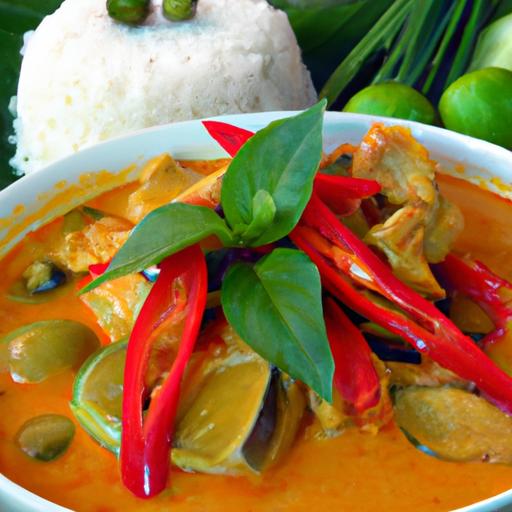

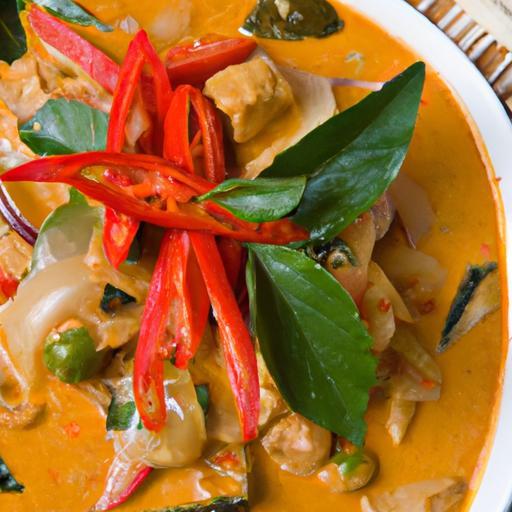
Bursting with vibrant hues and layered flavors, Thailand’s red curry stands as a fiery emblem of the nation’s rich culinary heritage. More than just a dish, it is a harmonious blend of tradition, culture, and bold spices that dance on the palate. In this exploration of red curry’s origins, ingredients, and cultural meaning, we unravel the secrets behind its enduring popularity and discover why this spicy icon continues to captivate food lovers around the globe. Join us as we dive into the simmering pot of history and taste, revealing the essence of Thailand’s beloved red curry.
Red Curry Revelations ignite the senses with the vibrant hues and complex layers that define Thailand’s beloved spicy iconic dish. Originating from Central thailand, this aromatic curry is a luscious blend of bold chilies, fragrant herbs, and creamy coconut milk, celebrated for its harmonious marriage of heat, sweetness, and savory depth.From bustling Bangkok street stalls to elegant royal kitchens, red curry has woven itself into the cultural and culinary tapestry of Thailand, embodying tradition and innovation alike.
Prep and Cook time
- Readiness: 15 minutes
- Cooking: 30 minutes
- Total Time: 45 minutes
Yield
Serves 4 generously
Difficulty Level
Medium – approachable for passionate home cooks ready to master a classic Thai flavor profile
Ingredients That Define Authentic Red Curry
- 2 tablespoons red curry paste (preferably homemade or high-quality store-bought)
- 1 can (14 oz) full-fat coconut milk, well-shaken
- 400 grams (14 oz) boneless chicken thigh, cut into bite-size pieces
- 1 cup Thai eggplants, quartered (substitute with green peas if unavailable)
- 8 kaffir lime leaves, torn into pieces
- 1 tablespoon fish sauce
- 1 teaspoon palm sugar (or brown sugar)
- 1 cup bamboo shoots, sliced thinly
- Fresh Thai basil leaves, handful, for garnish
- 2 red chili slices, for garnish (optional)
- 2 tablespoons vegetable oil
- 1/2 cup water or chicken broth
Instructions
- Heat the oil in a deep skillet or wok over medium heat. Stir in the red curry paste and sauté untill fragrant and vibrant,about 2-3 minutes,stirring constantly to prevent burning.
- Gradually add half of the coconut milk, stirring well to combine with the curry paste, and let it simmer until the oil starts to separate on the surface-this intensifies the aroma and flavor.
- Add the chicken pieces and cook until they turn opaque, approximately 5-7 minutes, gently stirring to coat every piece with the curry mixture.
- Pour in the remaining coconut milk and water or chicken broth. Stir to combine and bring to a gentle simmer.
- Incorporate the eggplants,bamboo shoots,and kaffir lime leaves. Cover and cook for another 8-10 minutes until the vegetables are tender but retain a slight bite.
- Season with fish sauce and palm sugar; adjust to taste for the perfect balance of salty,sweet,and spicy.
- Remove from heat and stir in most of the Thai basil leaves, reserving some for garnish.
- Serve hot, garnished with the remaining basil and fresh red chili slices for a burst of color and heat.
Tips and Tricks for Crafting the Perfect Red Curry at Home
- Authenticity starts with quality ingredients: Use fresh herbs like kaffir lime leaves and Thai basil whenever possible for that unmistakable fragrance.
- Homemade curry paste elevates your dish-blend dried red chilies, garlic, shallots, galangal, lemongrass, coriander roots, cumin, and shrimp paste to unlock true depth.
- Coconut milk consistency: Shake your can before opening. Adding half first then the rest later allows you to control richness without overpowering the dish.
- Layer your flavors: Sauté the curry paste in oil thoroughly before adding liquids to deepen the taste.
- Balance heat and sweetness: Adjust fish sauce and sugar according to your palate, and sneak in extra sweetness if the curry feels too spicy.
- Vegetarian variation: Swap chicken with tofu or mixed vegetables, and substitute fish sauce with soy sauce or tamari.
- Make-ahead tip: The curry tastes even better the next day as flavors meld. Store in airtight containers and reheat gently over low heat.
Pairing Red Curry with Complementary Dishes and Drinks for an Elevated Experience
To truly elevate your red curry experience, serve it alongside fluffy steamed jasmine rice that soaks up the luscious sauce. for texture contrast, a crunchy Thai green papaya salad (Som Tum) provides refreshing zest and tang. If you desire a comforting addition, jasmine rice noodles or rice vermicelli work beautifully as alternatives.
Drink pairing can shift the meal from simple to impressive. The natural sweetness and effervescence of a Riesling wine complements the dish’s heat, while iced Thai tea or a crisp lemongrass-infused sparkling water offer non-alcoholic refreshment that cleanses the palate. For beer lovers, a light lager or pilsner helps tame the spice without masking the complexity.
Nutritional Information per Serving
| Calories | Protein | Carbs | Fat |
|---|---|---|---|
| 420 kcal | 28 g | 15 g | 28 g |

Explore more about Thai culinary treasures in our Thai Cooking Basics guide for perfecting foundational recipes that celebrate vibrant flavors and time-honored techniques.
Q&A
Q&A: Red Curry Revelations – Exploring Thailand’s Spicy Iconic Dish
Q1: What makes Thai red curry so iconic in the world of cuisine?
A1: Thai red curry is a vibrant tapestry of flavors-fiery, creamy, and fragrant all at once. Its iconic status stems from the balance of heat from red chilies, the richness of coconut milk, and the aromatic punch of herbs like lemongrass and kaffir lime leaves. It’s more than a dish; it’s a sensory journey into Thailand’s cultural soul.
Q2: How is authentic Thai red curry traditionally prepared?
A2: Authentic red curry begins with a freshly ground paste made from dried red chilies, garlic, shallots, galangal, lemongrass, shrimp paste, and coriander roots. This paste is sautéed until fragrant before adding coconut milk, protein (often chicken, beef, or tofu), and fresh vegetables. The result? A luscious,spicy sauce that perfectly coats every morsel.
Q3: What sets red curry apart from other Thai curries like green or yellow?
A3: The red curry’s distinct red hue and bold heat come primarily from dried red chilies, whereas green curry uses fresh green chilies for a sharper, more herbal heat, and yellow curry incorporates turmeric and curry powder for a milder, earthier flavor.Red curry balances spice and creaminess in a way that’s unmistakably robust yet smooth.Q4: Are there regional variations of red curry within Thailand?
A4: Absolutely! Northern Thai red curry tends to be less sweet and more herbaceous, frequently enough incorporating wild vegetables and local greens. In central Thailand, the curry is richer and sweeter, with a heavier use of coconut milk and palm sugar. Adventurous eaters might also find versions with unique proteins like duck or river prawns.
Q5: Can red curry be adapted for vegetarian or vegan diets?
A5: Yes! By substituting protein with tofu, tempeh, or hearty vegetables like eggplant and bamboo shoots, red curry maintains its hearty essence. Customary shrimp paste can be swapped for fermented soybean paste to preserve depth of flavor without animal products. The creamy coconut base naturally lends itself well to plant-based adaptations.
Q6: How do you best enjoy red curry for the full Thai experience?
A6: Red curry is typically served steaming alongside jasmine rice, which helps temper the curry’s spiciness. A side of crisp fresh vegetables or a simple cucumber salad adds refreshing contrast. For the adventurous, pairing it with a cold thai iced tea or a light lager completes the authentic taste adventure.
Q7: What cultural significance does red curry hold in Thailand?
A7: Beyond the plate,red curry reflects Thai values of harmony and balance-sweet,spicy,salty,and creamy in perfect equilibrium. It’s frequently enough featured in family gatherings and festive celebrations, symbolizing warmth, hospitality, and Thailand’s rich culinary heritage.
Q8: Any tips for home cooks wanting to master red curry?
A8: Start with quality ingredients-fresh herbs and spices make all the difference.Don’t rush the paste sautéing; it’s where flavors awaken. Taste as you go, adjusting sweetness, saltiness, and heat to your liking. Most importantly, embrace the process as a delicious exploration rather than a strict recipe-your palate will be your best guide.
Delving into red curry is more than a culinary undertaking-it’s an invitation to experience Thailand’s vibrant colors, bold tastes, and enduring traditions, one spicy spoonful at a time.
Insights and Conclusions
As the final spoonful of red curry lingers on your palate,it’s clear that this vibrant dish is more than just a meal-it’s a tapestry woven from Thailand’s rich history,bold flavors,and masterful culinary traditions. Whether enjoyed at a bustling street market or crafted carefully in a home kitchen, red curry stands as a fiery testament to the contry’s vibrant spirit and endless creativity. So next time you dive into that aromatic bowl of red curry, remember you’re savoring a story centuries in the making-one that celebrates heat, harmony, and the heart of Thai cuisine itself.