
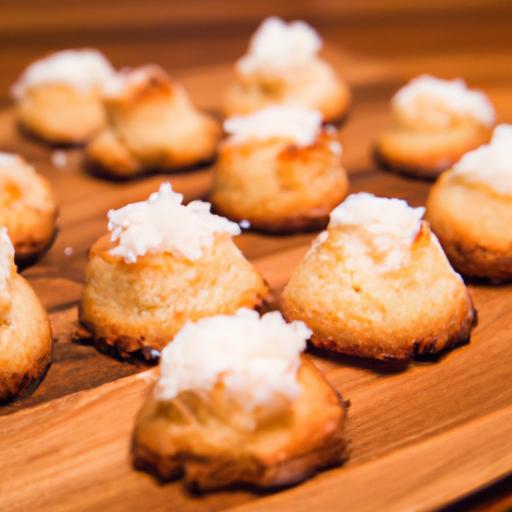
Biting into a coconut macaroon is like taking a mini-vacation to a sun-drenched paradise, were the sweet, chewy coconut mingles effortlessly with a whisper of vanilla and the golden crisp of toasted edges. These petite confections, with thier humble ingredients and rich history, are more than just cookies-they are edible stories of tradition, culture, and tropical delight. From coastal kitchens to festive tables around the world, coconut macaroons have captivated taste buds and hearts alike, embodying the perfect harmony of simplicity and indulgence. In this article, we delve into the origins, variations, and enduring appeal of these sweet bites, revealing why coconut macaroons remain a beloved treat that transports us to island breezes and sunlit moments, one delicious bite at a time.
Origins and Cultural Significance of Coconut Macaroons
Coconut macaroons carry a rich heritage that spans continents and centuries, rooted deeply in Mediterranean and tropical traditions. Originally evolving from the italian “maccarone” or “maccherone,” these chewy, sweet confections found new life in tropical regions where coconuts grow abundantly. Their tropical twist symbolizes a bridge between Old World pastry techniques and New World flavors,often enjoyed during Jewish Passover as a wheat-free treat or embraced in Caribbean and Southeast Asian celebrations as a festive delicacy. The humble macaroon is more than just a cookie-it’s a taste of cultural fusion, a handheld reminder of island breezes and sunlit kitchens, passed down through generations with joyful simplicity.
Mastering the Perfect Coconut Macaroon Texture and Flavor
Coconut macaroons achieve their signature texture through a delicate balance of moist shredded coconut and gently whipped egg whites. the ideal macaroon is tender and chewy on the inside, with just enough golden crispness on the outside to provide a satisfyingly crisp bite. Freshly grated coconut or unsweetened shredded coconut both work beautifully-adding a subtle nuttiness without overpowering the sweetened base. Granulated sugar caramelizes slightly during baking, enhancing the natural coconut aroma. A whisper of vanilla or almond extract elevates the flavor profile, while careful baking ensures your macaroons are never dry or crumbly.
creative Variations and Flavor Twists to Elevate Your Macaroons
For an inventive take on classic coconut macaroons, consider layering in tropical or decadent ingredients that heighten their allure. Drip melted dark chocolate over the cooled tops or dip half the base for luxurious contrast. Incorporate finely chopped dried mango, pineapple bits, or toasted macadamia nuts to introduce unexpected textures and fruity bursts.for a warm spice note,add ground cinnamon,cardamom,or a zest of fresh lime or orange peel. Vegan variations replace egg whites with aquafaba, keeping the cookie airy and moist while catering to plant-based diets. These creative twists keep the beloved tradition fresh and exciting with every batch.
Tips for Baking Coconut Macaroons to Golden Perfection Every time
Ensuring your coconut macaroons come out golden-baked and perfectly chewy depends largely on precise measurements and attentive baking.Use a parchment-lined baking sheet to prevent sticking and allow airflow beneath each mound. Space them generously-about 2 inches apart-to encourage even browning. Bake at 325°F (160°C) to allow the coconut to gently toast without over-darkening the edges. Rotate the pan halfway through baking for uniform color. After baking,cool on a wire rack for crisp bottoms and chewy interiors. Avoid underbaking, which can result in soggy centers, or overbaking, which turns the coconut brittle and dry.
Prep and Cook Time
- Prep Time: 15 minutes
- Cook Time: 20 minutes
- Total Time: 35 minutes
Yield
Approximately 24 coconut macaroons
Difficulty Level
Easy – Perfect for beginner and seasoned bakers alike
Ingredients
- 3 cups shredded unsweetened coconut
- 3/4 cup granulated sugar
- 3 large egg whites, at room temperature
- 1 teaspoon vanilla extract
- 1/4 teaspoon salt
- Optional: 1/2 cup chopped dark chocolate or chocolate chips for dipping
- Optional: Zest of 1 lime or orange
Instructions
- Preheat your oven to 325°F (160°C). Line a baking sheet with parchment paper or a silicone mat for easy removal.
- in a large mixing bowl, whisk the egg whites and salt with a hand mixer until soft peaks form. Slowly add granulated sugar and continue to whisk until glossy, stiff peaks form-this ensures your macaroons hold their shape.
- Gently fold in the shredded coconut and vanilla extract (plus zest if using), careful not to deflate the whipped egg whites.
- Using a tablespoon or small cookie scoop,drop mounds of the mixture onto the prepared baking sheet. Space about 2 inches apart.
- Bake for 18-20 minutes, rotating the pan halfway through, until edges and tops are a deep golden color but still moist in the center.
- Cool on the baking sheet for 5 minutes before transferring to a wire rack to cool fully.
- If desired, melt dark chocolate in a double boiler or microwave; dip half of each macaroon and place on parchment paper to set.
Chef’s Notes
- For a chewier texture, slightly underbake by 1-2 minutes, but watch carefully.
- Substitute egg whites with 1/4 cup aquafaba for a vegan-kind version; whip until fluffy.
- Store macaroons in an airtight container at room temperature for up to 5 days or freeze for up to 2 months.
- To enhance coconut flavor, toast the shredded coconut lightly in a dry pan before folding into the egg whites.
- For gluten-free assurance, verify all ingredients, especially chocolate, are certified gluten-free.
serving Suggestions
Present these delightful coconut macaroons alongside a tropical fruit platter or pair with a rich cup of espresso or chai tea. Garnish with a delicate drizzle of honey or a sprinkle of toasted coconut flakes to amplify their visual appeal. For a festive touch, serve on a bright leaf or colorful dessert plate to echo their vibrant origins. Their compact size makes them perfect for holiday gifting or a sweet bite with afternoon tea.
| Nutrition (per macaroon) | Amount |
|---|---|
| Calories | 100 kcal |
| Protein | 2 g |
| Carbohydrates | 12 g |
| Fat | 5 g |

For a deeper dive into related tropical sweets, explore our article on Tropical Dessert Recipes. To understand more about the botanical and culinary uses of coconut, visit the Comprehensive Coconut Guide.
Q&A
Q&A: Coconut Macaroons – Sweet Bites of Tropical Delight and Tradition
Q1: What exactly is a coconut macaroon?
A1: A coconut macaroon is a small, chewy cookie made primarily from shredded coconut, sugar, and egg whites. Often golden on the outside and tenderly moist inside, these sweet confections deliver an irresistible burst of tropical flavor wrapped in a delicate meringue-like texture.
Q2: Where did coconut macaroons originate?
A2: While coconut macaroons are beloved worldwide, their roots trace back to European Jewish cuisine, where the original macaroon was made with almonds. Over time, tropical regions with abundant coconut supplies introduced this luscious fruit into the recipe, giving birth to the coconut macaroon as we certainly know it-a delightful fusion of tradition and tropical flair.
Q3: What makes coconut macaroons so unique compared to other cookies?
A3: unlike typical cookies made from flour-based dough,coconut macaroons rely on egg whites to bind the shredded coconut,yielding a chewy yet airy bite. Their intense coconut flavor,paired with a caramelized crisp exterior,creates a captivating contrast that sets them apart from classic cookie varieties.
Q4: Are coconut macaroons gluten-free?
A4: Yes! Most traditional coconut macaroon recipes are naturally gluten-free as they omit flour entirely. This makes them a tempting treat for those with gluten sensitivities or those simply seeking a grain-free dessert.
Q5: How are coconut macaroons typically enjoyed?
A5: Coconut macaroons can be savored solo with a cup of tea or coffee, dipped in luscious chocolate for an extra indulgent twist, or even used as decorative elements in larger desserts.Their sweet, chewy texture and tropical essence make them perfect for holiday celebrations, beachside picnics, or anytime a little sunshine is needed on the palate.
Q6: Can you customize coconut macaroons with other flavors?
A6: Absolutely! While classic recipes highlight pure coconut, adventurous bakers often incorporate ingredients like vanilla, almond extract, citrus zest, or even a sprinkle of spices like cinnamon or cardamom. Some recipes layer in chocolate chips, dried fruit, or nuts to craft unique personal twists on this tropical treat.
Q7: What tips ensure the perfect coconut macaroon?
A7: To nail the ideal balance of chewy inside and crisp outside, use fresh shredded coconut and beat the egg whites just until combined-overwhipping can make the cookies too dry. Bake until they turn a gentle golden brown at the edges, than cool on a wire rack to preserve their tender texture.
Q8: Why do coconut macaroons hold a special place in cultural traditions?
A8: Coconut macaroons frequently enough appear during Jewish holidays such as Passover, when flour is traditionally avoided. Their sweet simplicity and symbolic ingredients-a blend of natural earthiness and lightness-mirror themes of renewal and celebration. Beyond this, they evoke memories of tropical climates and island heritage, linking generations through both flavor and festivity.
Q9: How can someone start making coconut macaroons at home?
A9: Begin with a simple recipe: mix shredded coconut with sugar,egg whites,and a touch of vanilla,then spoon onto a baking sheet. With just one bowl and a handful of ingredients, baking coconut macaroons is an inviting and rewarding experience-even for novice bakers.Q10: What makes coconut macaroons timeless?
A10: Their enduring charm lies in their ability to marry simplicity with rich, comforting flavor. As sweet bites of tropical delight and tradition, coconut macaroons continue to bring joy across cultures and generations, reminding us that sometimes, the simplest ingredients create the most memorable moments.
To Wrap It Up
As the last crumb of a coconut macaroon melts on your tongue, you’re not just savoring a sweet treat-you’re tasting centuries of tropical tradition and cultural storytelling. These golden, chewy delights are more than simple cookies; they are little ambassadors of the islands, carrying with them the warmth of sun-drenched palms and the richness of time-honored recipes. Whether enjoyed at festive gatherings or as a comforting everyday indulgence, coconut macaroons invite us to celebrate sweetness in all its forms-simple, vibrant, and deeply rooted in heritage.So next time you bite into one, remember: you’re experiencing a slice of paradise, wrapped in tradition and dipped in the joy of tropical delight.