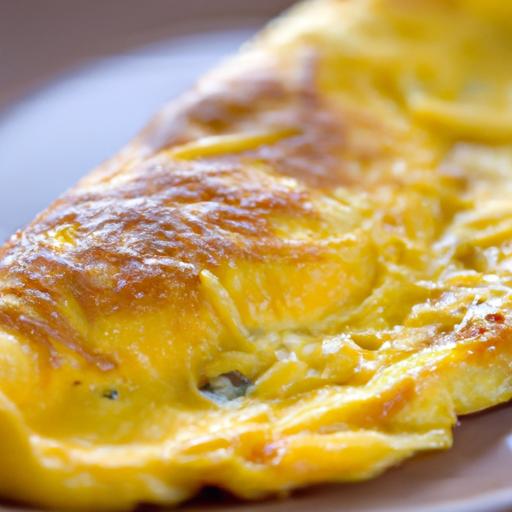

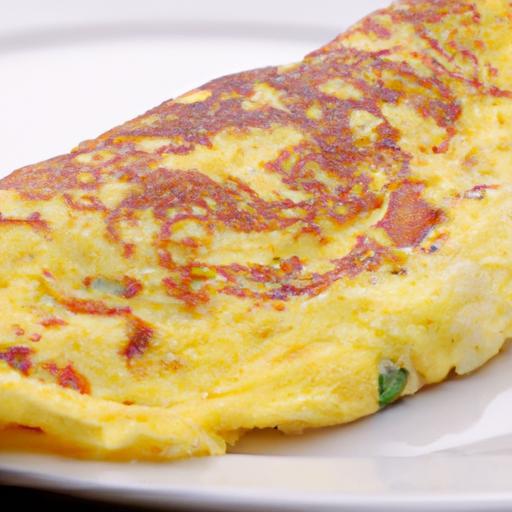
There’s something undeniably magical about a perfectly cooked cheese omelet-a dish that’s as simple as it is sublime. With its golden folds cradling melted, gooey cheese, the humble omelet transforms breakfast into a festivity of flavor and texture. But achieving that flawless balance of fluffy egg and velvety cheese is an art, one that takes a blend of technique, timing, and a few insider secrets. In this article, we’ll unravel the tips and tricks that turn an ordinary cheese omelet into a culinary masterpiece, inviting you to elevate your morning routine one appetizing fold at a time.
Choosing the Ideal Cheese for Creamy Flavor and Texture
The foundation of a truly indulgent cheese omelet lies in selecting the perfect cheese that melts smoothly, offering both luscious creaminess and vibrant flavor. For an ideal balance, cheeses like Gruyère, Fontina, and Sharp Cheddar stand out for their silky melt and distinctive taste profiles. Gruyère infuses a subtle nuttiness, while Fontina’s buttery softness enhances texture without overpowering the eggs. Sharp Cheddar delivers boldness, making it a popular choice for those craving punchy flavor. Avoid crumbly varieties or those that don’t melt well, such as Feta or Parmesan, unless combined cleverly for added texture rather than creaminess. Freshly grated cheese is essential to ensure rapid, even melting, allowing the omelet to achieve that signature creamy interior without becoming greasy or clumpy.
Mastering the Technique of Folding for a Fluffy Omelet
Folding is where technique meets artistry,transforming simple eggs and cheese into a cloud-like masterpiece. Once your eggs are gently cooked and custardy but not set,sprinkle your cheese evenly,then carefully fold one edge of the omelet over the filling using a silicone spatula. This step preserves the airy interior while creating distinct layers that catch light beautifully on the plate. Avoid aggressive folding – a gentle touch maintains the tender structure. Practicing a quarter fold or a classic tri-fold gives you stylistic options; the tri-fold creates neat layers, while the quarter fold offers a rustic, open-faced charm. Trust patience and low heat, allowing the residual warmth to finish melting the cheese inside for that perfect, fluffy texture.
Balancing Heat and Timing to Achieve the Perfect Cook
Mastering heat control is key to honing the perfect cheese omelet. Medium-low heat is your ally, coaxing the eggs to set slowly and uniformly, encouraging a creamy and delicate texture without browning or dryness. High heat risks rubbery eggs and cheese that separates into oily puddles. Once your pan is preheated and butter melted to a foamy, fragrant finish, pour in the beaten eggs and let them settle undisturbed until edges just begin to firm. Gentle stirring with a spatula helps distribute heat evenly but don’t overwork the eggs.When the top is slightly runny, add cheese and fold. Timing is crucial-remove the omelet just as it sets for carryover heat to finish cooking, guaranteeing luscious softness throughout.
Creative Garnishes and Serving Suggestions to Elevate Your Dish
Creativity shines brightest in the final touches. Sprinkle fresh herbs like chives, tarragon, or parsley for vibrant pops of green and a fragrant lift. A light dusting of cracked black pepper or flaky sea salt builds depth. For color contrast and texture, adorn with thinly sliced radishes, cherry tomato halves, or delicate microgreens. Serving alongside a small mixed greens salad dressed with lemon vinaigrette offers refreshing acidity to balance the richness. A slice of toasted sourdough or a crisp baguette provides crunchy contrast, perfect for mopping up melted cheese and runny eggs. For an elegant twist, drizzle a hint of truffle oil or a dollop of crème fraîche to accentuate the creamy flavor. Each garnish not only enhances the visual appeal but also layers additional subtle flavors, making every bite a sensory delight.
Q&A
Q&A: The Art of the Perfect Cheese Omelet – Tips and Tricks
Q1: What makes a cheese omelet “perfect”?
A1: The perfect cheese omelet strikes a harmony between fluffy eggs, melted cheese, and a tender texture without being dry or rubbery. It should be light and airy, with cheese oozing just enough to deliver creamy richness without overpowering the subtle egg flavor.
Q2: Which cheeses work best in a cheese omelet?
A2: Classic choices include sharp cheddar,gruyère,swiss,mozzarella,or creamy goat cheese. Each brings a unique texture and flavor-cheddar offers tang, gruyère adds nuttiness, while mozzarella melts luxuriously gooey. The key is selecting cheese that melts smoothly and complements the eggs without overwhelming them.
Q3: How do you achieve fluffiness in an omelet?
A3: For fluffy eggs, whisk vigorously to incorporate air before cooking.Some chefs add a splash of water or milk to create steam during cooking, which lightens the texture. Cooking on medium-low heat allows eggs to set gently, preventing toughness.
Q4: What’s the secret to perfectly cooked eggs without browning?
A4: Patience is vital. Use a non-stick pan over low to medium-low heat. Cook slowly and gently stir the eggs initially to ensure even cooking, then let the omelet set without rushing. The goal is tender, pale eggs-slight golden spots mean overcooking.
Q5: When should you add the cheese?
A5: Timing matters! Add cheese once the eggs have mostly set but still have a slight wobble.This allows the cheese to melt into the warmth of the eggs without burning. Then fold or roll the omelet carefully to encase the cheese perfectly.
Q6: Any tips for omelet folding?
A6: Use a flexible spatula to gently lift one edge of the omelet and fold it over the cheese filling in half or thirds. A quick, smooth motion helps create clean folds and an appealing shape. If the omelet sticks, give your pan a little more butter or oil next time.
Q7: Can I add other ingredients with the cheese?
A7: Absolutely! Classic pairings include sautéed mushrooms, fresh herbs (like chives or parsley), caramelized onions, or diced tomatoes. Just be mindful not to overload the omelet, as it might affect cooking and folding.
Q8: Any final pro tips?
A8: Use fresh eggs for the best flavor and texture. Pre-shred your cheese for even melting.Keep your pan clean and well-seasoned or non-stick for easy release. And don’t rush-omelet artistry is all about gentle heat and timing.
Q9: How do I serve the omelet to impress?
A9: Plate your cheese omelet with a sprinkle of fresh herbs and a side of crisp toast or a light salad. A drizzle of truffle oil or a few cracked black peppercorns can elevate it from simple to sublime.
Mastering the cheese omelet is less about elaborate techniques and more about mindful cooking-and a love for simplicity done well. Happy cracking!
Wrapping Up
Mastering the art of the perfect cheese omelet is more than just following a recipe-it’s about embracing patience, precision, and a touch of creativity. With these tips and tricks tucked under your apron, you’re ready to turn simple ingredients into a fluffy, flavorful masterpiece each morning. So next time you crack those eggs,remember: the perfect cheese omelet is not just a meal,but a canvas waiting for your personal touch. Happy cooking, and may your kitchen always be filled with the warm, irresistible aroma of cheesy delight!