
Hidden beneath their humble, glossy exterior lies a culinary treasure that has seasoned tables for centuries-baked beans. From rustic colonial kitchens to modern dinner plates, these tender legumes tell a story rich in history, culture, and comfort. But beyond their sweet and savory allure, baked beans carry nutritional benefits that make them a quietly powerful addition to any meal.In this article, we’ll peel back teh layers of baked beans, exploring their engaging origins, sharing insider cooking tips to perfect their flavor and texture, and unveiling the healthful qualities that have kept them a pantry staple around the world. Prepare to uncover the full story behind one of the most beloved bean dishes imaginable.
Baked beans uncovered reveal a fascinating journey from humble, regional staples to beloved global comfort food.Rooted in Indigenous American cooking traditions and enlivened by European adaptations, baked beans have transcended borders to become a versatile, nutritious dish found on tables worldwide. This recipe unlocks the secrets to creating perfectly tender, richly flavored baked beans at home, inviting you to experience their deep, smoky sweetness and savory warmth firsthand.
Prep and Cook Time
- Prep Time: 15 minutes (plus soaking)
- cook Time: 2 hours 30 minutes
Yield
6 generous servings
Difficulty Level
Medium – requires some planning and patience, but easy to master with these steps
Ingredients
- 1 cup dried navy beans (soaked overnight and drained)
- 4 cups water (for cooking beans)
- 1 small yellow onion, finely chopped
- 2 cloves garlic, minced
- 3 strips smoked bacon, diced (optional but recommended)
- 1/2 cup tomato sauce (or tomato puree)
- 2 tablespoons maple syrup or brown sugar
- 1 tablespoon molasses
- 1 tablespoon apple cider vinegar
- 1 teaspoon smoked paprika
- 1 teaspoon dry mustard powder
- 1/2 cup vegetable broth
- Salt and freshly ground black pepper, to taste
- 2 tablespoons olive oil or rendered bacon fat
Instructions
- Prepare the beans: After soaking, rinse the navy beans under cold water. In a large pot, cover beans with fresh water and bring to a gentle boil. Simmer for 1 to 1.5 hours or until tender but not mushy. Drain and set aside.
- Build the flavor base: Heat olive oil or bacon fat in a heavy-bottomed oven-safe pot over medium heat.Add the diced bacon and cook until crisp and golden. Remove bacon and drain on paper towels,reserving fat.
- Sauté aromatics: In the same pot, add onion and garlic. Sauté until translucent and fragrant, about 5 minutes, stirring occasionally to prevent sticking.
- Combine ingredients: Return bacon to pot with cooked beans. Stir in tomato sauce, maple syrup, molasses, apple cider vinegar, smoked paprika, mustard powder, and vegetable broth. Mix well to coat beans evenly and season with salt and pepper to yoru taste.
- Bake low and slow: Preheat the oven to 300°F (150°C). Cover the pot with a lid or foil and bake beans for 2 hours, stirring halfway through. Check occasionally to ensure beans remain moist, adding a splash of water or broth as needed.
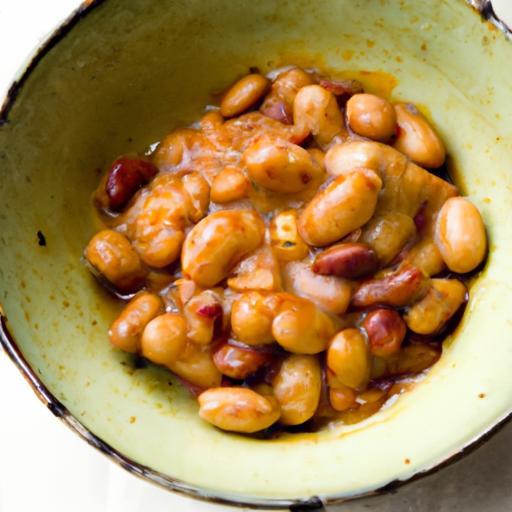
- Final touch: Remove the lid in the last 20 minutes to thicken the sauce and develop a luscious glaze. Once baked beans are rich, thickened, and bubbly, remove from oven and let rest for 10 minutes before serving.
tips for Success
- Soaking: Overnight soaking softens beans and reduces cooking time. For a fast soak, boil beans for 1 minute, remove from heat, cover, and soak for 1 hour.
- Slow and steady: Cooking beans gently prevents them from splitting or becoming mealy.
- Alternative proteins: Swap bacon with smoked paprika, liquid smoke, or diced smoked sausage for a vegetarian or vegan twist.
- Make-ahead: Baked beans taste even better the next day; store in an airtight container and gently reheat.
- Sweetness level: Adjust maple syrup and molasses to tailor the sweetness to your palate.
Serving Suggestions
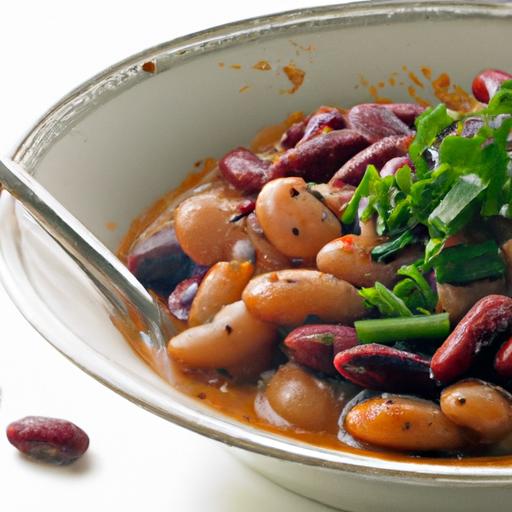
Serve your perfectly baked beans as a warming side to grilled meats, atop buttery toast for breakfast, or spooned over fluffy rice for a quick comfort meal. Garnish with freshly chopped parsley or green onions for a pop of color and freshness. For an indulgent twist,sprinkle crumbled sharp cheddar or a dollop of creamy sour cream. Pair with crispy cornbread or roasted vegetables to amplify the hearty experience.

Baked Beans nutrition Table
| Nutrient | Per Serving |
|---|---|
| Calories | 250 kcal |
| Protein | 14 g |
| Carbohydrates | 35 g |
| Fat | 5 g |
To deepen your knowledge on plant-based proteins and fiber-rich diets, visit the Harvard T.H. Chan School of Public Health Legumes Fact Sheet.
Discover more hearty dishes like this by checking out our Comfort Food recipes collection.
Q&A
Q&A: Baked Beans Uncovered – History, Cooking Tips, and Nutrition
Q1: Where did baked beans originally come from?
A1: Baked beans trace their roots back to Native American cuisine, where beans were slow-cooked with maple syrup and fats. European settlers adapted this tradition, introducing molasses and pork, giving us the sweet, savory baked beans classic to New England kitchens today. So, every spoonful carries centuries of cultural fusion!
Q2: What makes baked beans ”baked” if they’re often simmered on a stove?
A2: Great question! The term “baked” dates to conventional cooking methods, where beans were slow-cooked in a ceramic pot underground or in an oven for hours. Nowadays, it’s common to simmer them on the stove or even use a slow cooker, but the cozy, caramelized flavor remains loyal to the original “baked” concept.Q3: How can I make my homemade baked beans taste like the ones from a restaurant or a can?
A3: The secret is layering flavors! Start with soaked navy or haricot beans, then add a smoky element like bacon or smoked paprika. Sweeten naturally with molasses or brown sugar, and balance with tangy mustard or a splash of vinegar. Slow cooking is key-it lets those flavors deepen into a rich, velvety sauce that hugs every bean.
Q4: Are baked beans healthy or just comfort food?
A4: Baked beans strike a lovely balance between comfort and nutrition. Beans are packed with fiber, plant-based protein, and essential minerals like iron and magnesium. However, watch out for canned varieties-they can be high in added sugars and sodium.Homemade versions give you control to keep them wholesome and delicious.
Q5: Can baked beans be part of a vegetarian or vegan diet?
A5: Absolutely! While traditional recipes include pork or bacon, plant-based options thrive without them. Use smoked paprika, liquid smoke, or mushrooms to replicate that savory depth. With these tweaks,baked beans become a hearty,vegan-amiable staple perfect for any meal.
Q6: What’s the best way to store leftovers?
A6: Cool your beans to room temperature, then transfer them to an airtight container and refrigerate. They keep well for up to 5 days and frequently enough taste even better the next day as flavors meld. For longer storage, freeze portions in freezer-safe containers for up to 3 months-perfect for quick, comforting dinners later.
Q7: any surprising cooking tips to elevate baked beans?
A7: Yes! Try adding a piece of dark chocolate or espresso powder; these deepen the sauce’s umami and add subtle complexity. Also, don’t rush the process; low and slow is a baked bean mantra. and don’t be shy with fresh herbs like thyme or bay leaf-they add a fragrant lift that’s easy to forget but hard to resist.
From ancient traditions to modern kitchens, baked beans offer more than just a side dish-they’re a story you can savor, one hearty bite at a time!
In Summary
As we close the lid on our journey through the world of baked beans, it’s clear they are much more than a humble side dish. From their rich and flavorful history steeped in tradition to the simple yet transformative cooking tips that bring out their best,baked beans hold a special place in kitchens worldwide. Nutritionally, they offer more than just comfort-packed with protein, fiber, and essential nutrients, they quietly support a balanced diet. So next time you savor that warm, hearty spoonful, remember you’re enjoying a dish that’s been perfected over centuries, blending culture, craft, and nourishment in every bite. Baked beans, truly uncovered, are a timeless testament to how simple ingredients can create something extraordinary.